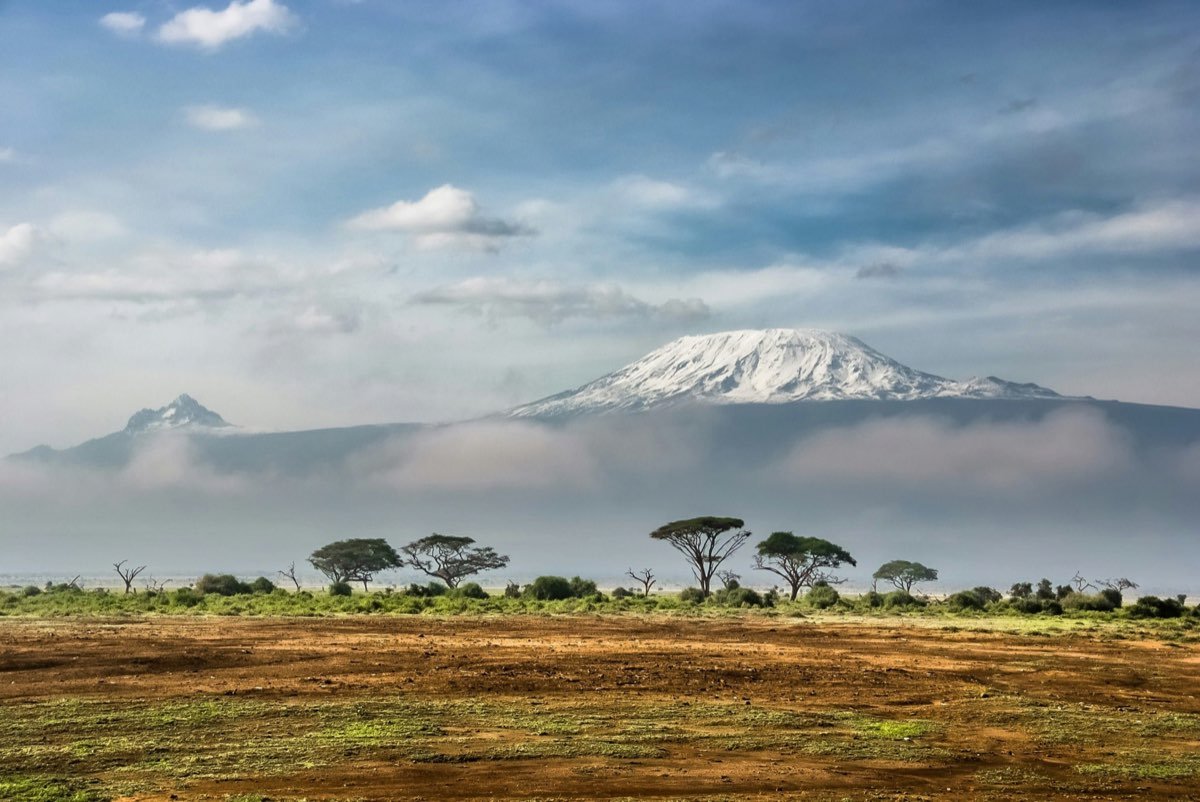
Kilimanjaro Routes Compared: Which Route is Best for You in 2026?
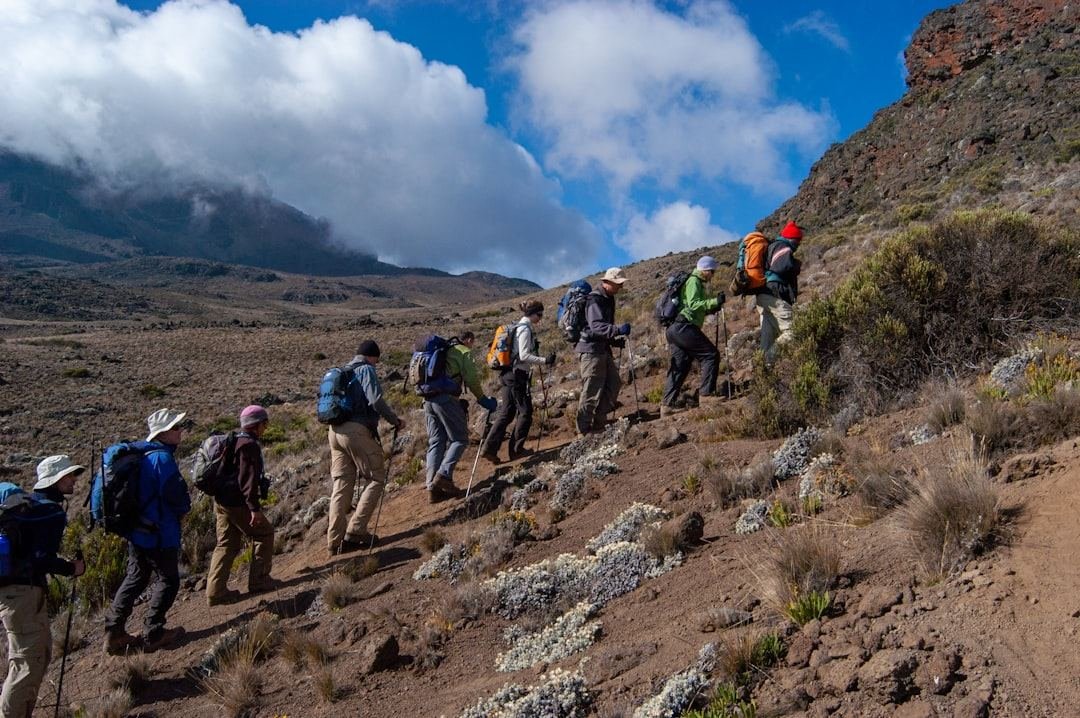
The Machame Route (6–7 days, ~$1,500–$2,200) is the most popular with excellent scenery. Lemosho (7–8 days, ~$2,000–$2,800) has the highest summit success rate (~85–90%). Marangu (5–6 days, ~$1,200–$1,800) is the most affordable. Rongai (6–7 days, ~$1,600–$2,200) is the only northern approach.
Choosing the right route up Mount Kilimanjaro is arguably the most important decision you'll make when planning your climb. The route you select determines your success rate, scenery, number of trekking days, altitude acclimatization profile, and overall experience. With seven established routes to the summit, each with distinct characteristics, this comprehensive guide covers everything you need to make an informed choice.
Overview: The 7 Kilimanjaro Routes
All routes lead to Uhuru Peak (5,895m / 19,341ft) on the rim of Kibo crater — the highest point in Africa. They approach from different directions, traverse different ecological zones, and carry very different reputations for success rates and experience quality. No single route is "the best" — the right route depends on your fitness level, how many days you have, your tolerance for crowds, and your budget.
Before diving in, a critical point: acclimatization time is the single biggest factor in summit success. Any route that allows more days on the mountain dramatically increases your chances of reaching the top. Rushing Kilimanjaro is the most common mistake climbers make.
Kilimanjaro Routes Comparison Table
| Route | Distance | Min Days | Difficulty | Success Rate | Crowds | Best For |
|---|---|---|---|---|---|---|
| Marangu | ~64 km | 5–6 | Moderate | ~65% | High | Budget climbers, hut preference |
| Machame | ~62 km | 6–7 | Challenging | ~85% | High | Scenic, fit trekkers |
| Lemosho | ~70 km | 7–8 | Moderate–Hard | ~90% | Low–Med | Best overall route |
| Rongai | ~65 km | 6–7 | Moderate | ~80% | Low | Quiet, Kenya-side approach |
| Northern Circuit | ~98 km | 9–10 | Moderate–Hard | ~95% | Very Low | Best acclimatization, most remote |
| Umbwe | ~53 km | 5–6 | Very Hard | ~60% | Very Low | Experienced mountaineers only |
| Shira | ~56 km | 7–8 | Moderate–Hard | ~80% | Low | Scenic plateau, merges with Lemosho |
Route 1: Marangu Route — "The Coca-Cola Route"
Marangu is Kilimanjaro's oldest and most commercially developed route, earning its nickname from the perception that it's an "easy" tourist trail. It is the only route with permanent hut accommodation (Mandara, Horombo, and Kibo huts), which means no camping — an appeal for those who prefer sleeping in a bed.
Key Facts
- Distance: ~64 km round trip (same trail up and down)
- Standard duration: 5 days (6 recommended)
- Approach & descent: Same path, from the southeast
- Highest camp: Kibo Hut (4,703m)
Pros
- Only route with dormitory-style huts instead of tents
- Generally the most affordable Kilimanjaro route
- Gradual terrain, no technical sections
Cons
- Lowest success rate (~65%) due to compressed acclimatization on 5-day option
- Same trail up and down — scenically repetitive
- Most crowded route on the mountain
- Not recommended for the 5-day option — always choose 6 days minimum
Route 2: Machame Route — "The Whiskey Route"
Machame is the most popular route for good reason: it offers spectacular scenery, a satisfying high-low acclimatization profile, and a good success rate. It was nicknamed the "Whiskey Route" as a counterpart to Marangu — implying it is the harder, more serious option. Climbers ascend via the southern face and descend via the Mweka route.
Key Facts
- Distance: ~62 km total
- Standard duration: 6–7 days (7 strongly recommended)
- Highlights: Shira Plateau, Lava Tower, Barranco Wall, Karanga Valley
- Highest camp: Barafu Camp (4,673m)
Pros
- Excellent scenery — passes through all five ecological zones dramatically
- Good acclimatization profile with the "climb high, sleep low" Lava Tower detour
- High success rate on 7-day version (~85–90%)
- Descends via Mweka — variety of terrain
Cons
- Popular — can be busy on peak season days
- Some steep sections (Barranco Wall requires scrambling)
Route 3: Lemosho Route — The Recommended Choice
Lemosho is widely regarded by experienced Kilimanjaro guides as the finest overall route. It begins on the remote western side of the mountain, traversing pristine forest and the entire Shira Plateau before joining the southern circuit. The long approach allows outstanding acclimatization and the widest variety of landscapes on the mountain.
Key Facts
- Distance: ~70 km total
- Standard duration: 7–8 days
- Highlights: Shira Plateau, Shira Cathedral, Lava Tower, Barranco Wall, summit glaciers
- Highest camp: Barafu Camp (4,673m)
Pros
- Best acclimatization profile of the shorter routes
- Remarkable scenery — most diverse route on the mountain
- Fewer climbers on the western approach sections
- Highest success rate among standard-duration routes (~90%)
- Recommended for most ability levels
Cons
- More expensive than Marangu or Machame due to longer duration
- Joins Machame route on the southern circuit — busier from Barranco onward
Route 4: Rongai Route — The Northern Approach
Rongai is the only route that approaches Kilimanjaro from the north, starting near the Kenyan border. It passes through remote forest and moorland, seeing far fewer climbers than the southern routes. The terrain is gentler, making it suitable for less experienced trekkers, and it offers a very different landscape — drier, with views across the Kenyan plains.
Key Facts
- Distance: ~65 km total (ascent via north, descent via Marangu)
- Standard duration: 6–7 days
- Highlights: Kenyan border forests, Second Cave, Kikelewa, Mawenzi peak views
Pros
- Very quiet — one of the least crowded routes
- Good for trekkers who dislike steep terrain
- Excellent Mawenzi views (Kilimanjaro's second peak)
- A good option during the rainy season (drier northern slopes)
Cons
- Less dramatic scenery than Lemosho or Machame
- Acclimatization profile less ideal than Lemosho
- Requires longer drive from Moshi (transfer from Marangu gate for descent)
Route 5: Northern Circuit Route — The Summit Specialist
The Northern Circuit is Kilimanjaro's newest and longest route, circumnavigating almost the entire mountain before ascending from the north. At 9–10 days, it provides unmatched acclimatization time and the highest success rates on the mountain. It is also extraordinarily remote — most trekking groups will see virtually no other climbers for the first five days.
Key Facts
- Distance: ~98 km total
- Standard duration: 9–10 days
- Unique feature: Full circumnavigation of Kibo cone
Pros
- Highest summit success rate of any route (~95%)
- Most remote experience on Kilimanjaro
- 360-degree views of the mountain from all sides
- Ideal for anyone with altitude sensitivity or previous failed summits
Cons
- Most expensive route (extra days = higher guide, porter, park fees)
- Requires 9–10 days — not suitable for shorter trips
Route 6: Umbwe Route — Expert Only
Umbwe is Kilimanjaro's steepest and most direct route. It ascends aggressively through dense forest and narrow ridges, gaining altitude faster than any other route. The result is a dramatic experience with stunning solitude — but a punishingly poor acclimatization profile that makes it suitable only for experienced mountaineers with proven altitude tolerance.
Key Facts
- Distance: ~53 km
- Standard duration: 5–6 days
- Difficulty: Very hard — steep, slippery, technical sections
Pros
- Extremely quiet — very few trekkers use this route
- Dramatic forest and ridge scenery
- Best suited to experienced altitude trekkers who want a challenge
Cons
- Lowest success rate of any route
- Aggressive altitude gain increases AMS (altitude mountain sickness) risk significantly
- Not recommended for first-time Kilimanjaro climbers
Route 7: Shira Route — The High-Start Option
The Shira Route begins at Shira Gate (3,600m), which means you start at altitude rather than ascending through the forest zone. This high start actually works against acclimatization in the early days. The route quickly merges with the Lemosho trail at Shira 2 Camp, making the distinction between Shira and Lemosho largely academic from the midpoint onward. Most operators now favor the Lemosho approach over Shira precisely because Lemosho's lower-altitude forest start produces better acclimatization.
Summit Day: What to Expect on All Routes
Regardless of which route you choose, summit day follows a similar pattern. You depart Barafu or Kibo Hut between midnight and 1am to reach Stella Point (5,756m) at sunrise — one of the most rewarding moments in African adventure travel. From Stella Point, it's another 45–90 minutes to Uhuru Peak. The descent back to high camp takes 2–3 hours, followed by a long trek down to the exit gate or lower camp.
The turnaround point most climbers who don't summit stop at is Stella Point. Reaching Stella Point is itself a significant achievement — at 5,756m it sits above 99% of Africa's landmass. However, every effort should be made to continue to Uhuru Peak if conditions and health allow.
Acclimatization Strategies
The most important advice any Kilimanjaro expert can give: choose a longer route and add an acclimatization day. The principle of "climb high, sleep low" — ascending to altitude during the day and retreating to a lower camp at night — is built into routes like Lemosho and Machame through the Lava Tower detour. Extending your Machame or Lemosho itinerary by one day (adding a rest day at Karanga Camp) increases summit success rates by 10–15% according to operator data.
Which Route Should You Choose?
- First-time climbers, moderate fitness: Lemosho (7–8 days) — best overall experience and success rate
- Budget-conscious climbers: Machame (7 days) — excellent scenery and good success rate at lower cost than Lemosho
- Prefer sleeping in huts: Marangu (6 days minimum) — only hut-based route
- Hate crowds, don't mind drier scenery: Rongai (7 days)
- Maximum acclimatization, time available: Northern Circuit (9–10 days)
- Experienced mountaineer, altitude-tested: Umbwe (if you're sure about your altitude tolerance)
For a complete overview of the Kilimanjaro climbing experience, including training tips, gear requirements, and what to expect on the mountain, read our full Mount Kilimanjaro Climbing Guide.
Planning a Kilimanjaro climb? Browse our Kilimanjaro climbing packages — we operate all seven routes with KINAPA-certified guides, excellent crew-to-climber ratios, and a genuine commitment to responsible, safe climbing practices.
iTanzania Safaris is a licensed, Arusha-based operator with deep expertise in both Kilimanjaro climbs and Tanzania wildlife safaris. Contact us today for a free, personalised quote — we'll match you to the right route for your fitness, timeline, and budget, and handle every detail from airport transfer to summit attempt.
Ready to Plan Your Tanzania Adventure?
Our local safari experts in Arusha will craft a personalized itinerary just for you. No obligation, free consultation.
Get Your Free Quote