Tanzania Safari Cost 2026: Complete Budget Breakdown & Pricing Guide
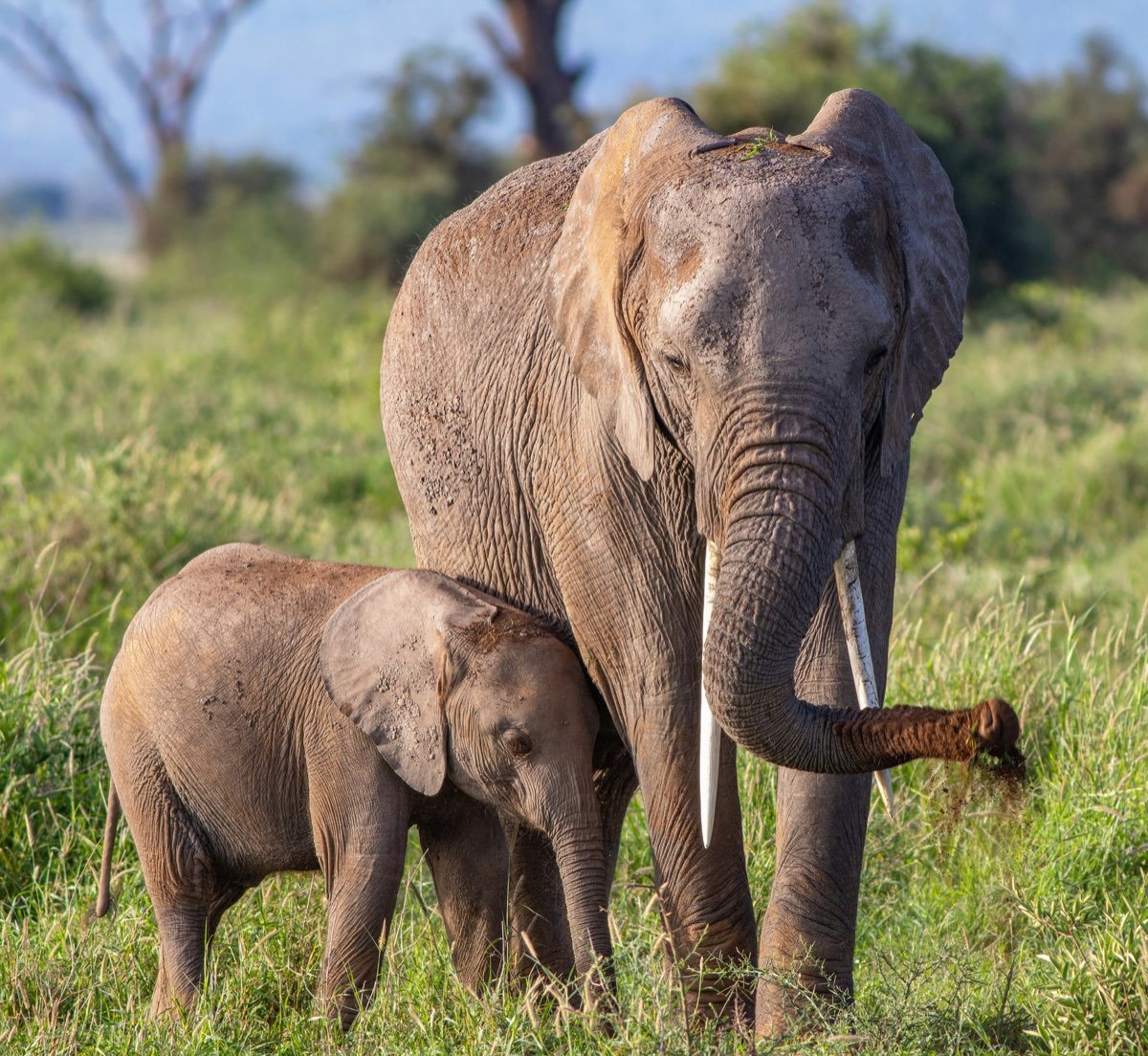
A Tanzania safari costs $150–$300 per person per day for budget camping, $350–$600/day mid-range, and $700–$1,500+/day luxury. A 7-day Northern Circuit safari starts from approximately $2,100 per person including accommodation, guide, park fees, and meals. International flights are additional.
One of the most common questions we receive from travelers planning their first African safari is: "How much does a Tanzania safari cost?" The answer varies dramatically depending on your accommodation preferences, group size, season, and itinerary. This transparent pricing guide breaks down every expense so you can plan a Tanzania safari that fits your budget without sacrificing quality.
Understanding Tanzania Safari Pricing
Tanzania safari costs are typically quoted on a per-person, per-day basis and include accommodation, meals, transport, park fees, and a professional guide. The total cost of your safari depends on four main factors:
- Accommodation type: Camping, mid-range lodges, or luxury tented camps
- Season: Peak season (June-October) costs 20-40% more than green season
- Group size: Larger groups share vehicle and guide costs, reducing per-person rates
- Duration and parks visited: More parks and longer trips increase costs
2026 Tanzania National Park Entry Fees
Park fees are a non-negotiable fixed cost set by TANAPA (Tanzania National Parks Authority) and the Ngorongoro Conservation Area Authority (NCAA). These are the current 2026 rates for non-resident adults:
| Park / Area | Entry Fee (per person/day) | Vehicle Fee | Notes |
|---|---|---|---|
| Serengeti National Park | $82 | $40 per entry | 24-hour fee; most visitors spend 3-5 nights |
| Ngorongoro Conservation Area (rim) | $70 | $295 per vehicle per crater descent | Crater descent fee is per vehicle, not per person |
| Tarangire National Park | $68 | $40 per entry | Strong value park with very high elephant density |
| Lake Manyara National Park | $68 | $40 per entry | Often combined with Ngorongoro as a day visit |
| Arusha National Park | $45 | $40 per entry | Most affordable, closest to Arusha city |
| Ruaha National Park | $68 | $40 per entry | Southern circuit; larger and wilder than the north |
| Selous (Nyerere) National Park | $68 | $40 per entry | Southern circuit; boat safaris available |
| Children aged 5-15 | $20 (most parks) | — | Under 5 years: free entry |
For a standard 6-day Northern Circuit itinerary covering Tarangire (2 days), Serengeti (3 days), and Ngorongoro Crater (1 day), park fees alone for a single adult amount to approximately $136 (Tarangire) + $246 (Serengeti) + $70 (NCA access) + $295 vehicle crater fee divided by group size. For a group of 4 people sharing a vehicle, the Ngorongoro crater vehicle fee works out to $73.75 per person. Total park fees per person for this itinerary run $455 to $530 depending on exact days and group size.
Budget Safari: $180-350 Per Person Per Day
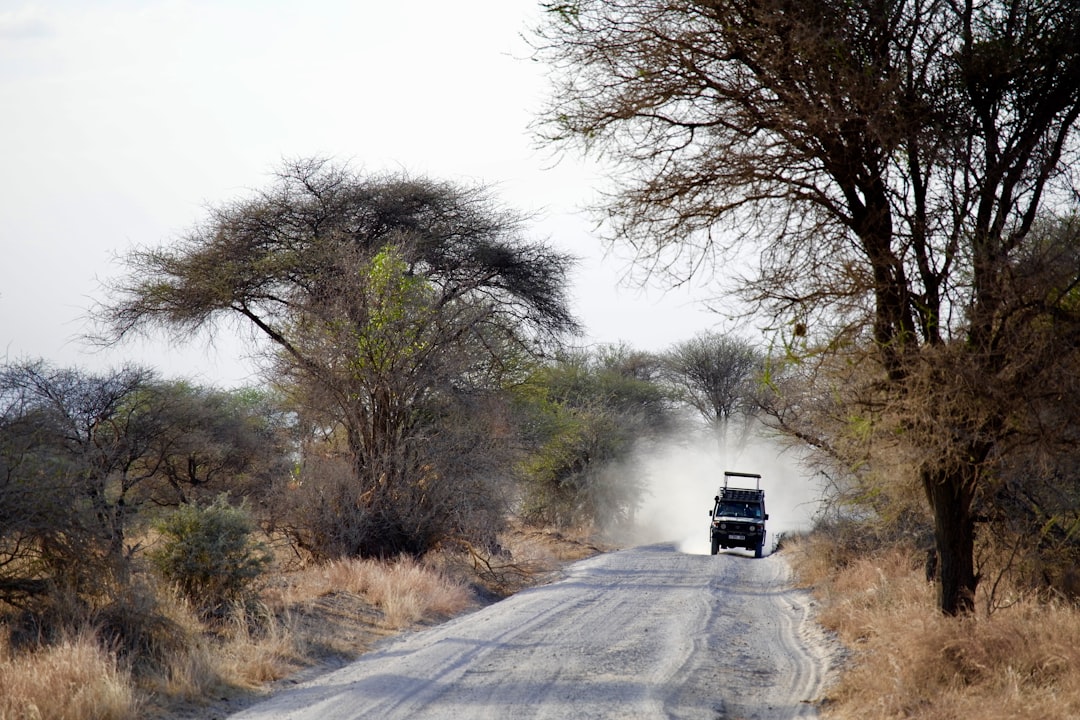
Budget safaris in Tanzania are far from "roughing it." You will stay in comfortable tented camps or basic lodges, share a safari vehicle with other travelers (up to 6 people), and still visit the same world-class parks as luxury travelers.
What is included:
- Shared 4x4 safari vehicle with pop-up roof
- English-speaking driver-guide
- Full board meals (breakfast, lunch, dinner)
- Park entrance and conservation fees
- Accommodation in budget lodges or permanent tented camps
- Airport transfers from Arusha or Kilimanjaro Airport
Specific budget accommodation examples: Twiga Campsite (Serengeti, public campsite inside the park, $35/person/night), Panorama Camp (Ngorongoro rim, $120/person/night full board), Tarangire Safari Lodge (Tarangire, $160/person/night), and Kati Kati Tented Camp (central Serengeti, $180/person/night). These are real properties with solid reputations — the wildlife viewing is identical to what luxury guests see, and the meals are adequate if not elaborate.
Typical budget itinerary (5 days): Tarangire, Serengeti, and Ngorongoro Crater starting from approximately $1,400-1,750 per person based on group size. Our February & March 2026 package starts at just $1,476 per person for 6 people.
Mid-Range Safari: $400-800 Per Person Per Day
Mid-range safaris hit the sweet spot for most travelers. Accommodation upgrades to well-appointed lodges with swimming pools, en-suite bathrooms, and often stunning locations overlooking the bush or crater rim.
Key upgrades from budget:
- Private safari vehicle for your group
- Higher-quality lodges with en-suite facilities
- Better locations closer to prime wildlife areas
- More flexible game drive schedules
- Welcome drinks, afternoon tea, and higher meal quality
Specific mid-range accommodation examples: Serengeti Serena Safari Lodge ($280-380/person/night), Ngorongoro Serena Safari Lodge (crater rim, $320-420/person/night), Tarangire Sopa Lodge ($220-300/person/night), and Lake Manyara Serena Safari Lodge ($250-330/person/night). All include full board. Private vehicle hire adds approximately $80-120/day to the per-person cost versus sharing.
A typical 6-day mid-range safari covering the Northern Circuit (Tarangire, Serengeti, Ngorongoro) costs $2,300-2,940 per person depending on group size and season.
Luxury Safari: $600-1,500+ Per Person Per Day
Luxury safaris represent the pinnacle of the Tanzania safari experience. Stay in award-winning lodges and intimate tented camps with gourmet dining, private guides, and exclusive wilderness locations far from the crowds.
Luxury inclusions:
- Private 4x4 vehicle with dedicated expert guide
- Premium lodges or luxury mobile/tented camps
- Gourmet meals with premium wines and spirits
- Bush breakfasts, sundowner cocktails, and surprise bush dining
- Walking safaris, night game drives (where permitted)
- Domestic flights between parks (saving travel time)
- Laundry service and all gratuities
Specific luxury accommodation examples: Four Seasons Safari Lodge Serengeti ($750-1,100/person/night all-inclusive), &Beyond Ngorongoro Crater Lodge (one of Africa's most iconic properties, $1,100-1,500/person/night), Singita Sabora Tented Camp (western Serengeti, $1,200-1,600/person/night all-inclusive), and Lamai Serengeti (northern Serengeti, $650-900/person/night). These rates include all meals, drinks, and game activities.
Premium 6-day itineraries start from $4,045 per person and can exceed $8,000+ for ultra-luxury fly-in safaris with exclusive-use camps.
What Is Typically Included vs. Excluded
This varies by operator and tier, but here are the standard inclusions and exclusions for Tanzania safari packages:
| Item | Budget Safari | Mid-Range Safari | Luxury Safari |
|---|---|---|---|
| Park entry fees | Included | Included | Included |
| Game drives (all scheduled) | Included | Included | Included |
| Professional guide | Included (shared) | Included (private) | Included (private, expert) |
| Accommodation | Included (basic) | Included (mid-range) | Included (premium) |
| All meals | Included | Included | Included |
| Drinking water in vehicle | Included | Included | Included |
| Alcoholic drinks | Excluded | Sometimes excluded | Included |
| Domestic flights | Excluded | Optional extra | Often included |
| Balloon safari | Excluded | Excluded (optional) | Excluded (optional) |
| Guide/staff gratuities | Excluded | Excluded | Sometimes included |
| International flights | Excluded | Excluded | Excluded |
| Tanzania visa ($50) | Excluded | Excluded | Excluded |
| Travel insurance | Excluded | Excluded | Excluded |
| Vaccinations | Excluded | Excluded | Excluded |
How Group Size Affects Your Per-Person Cost
Group size is one of the most significant variables in Tanzania safari pricing and is frequently underestimated by first-time travelers. Here is why it matters so much: the largest cost components — vehicle hire, fuel, driver-guide salary, and the daily vehicle park fee — are fixed regardless of how many people are in the vehicle. When those fixed costs are shared across more people, the per-person price falls substantially.
A standard safari Land Cruiser seats 6 passengers comfortably (some operators configure for 7 but this is cramped). Consider a 5-day Northern Circuit safari with a vehicle cost of $600 per day:
| Group Size | Vehicle Cost Per Person/Day | Notes |
|---|---|---|
| 2 people (couple) | $300 | Highest per-person cost; private experience |
| 4 people | $150 | Good balance of cost and comfort |
| 6 people | $100 | Maximum efficiency; slightly less elbow room |
| Joining a group (budget) | $80-100 (operator rate) | You join strangers; departure dates are fixed |
For solo travelers or couples who want a private vehicle but cannot fill it, some operators offer "seat in vehicle" departures where you join a small group of other independent travelers on a set itinerary. This is the most affordable way to get a private-style experience. At iTanzania Safaris, our group departure packages run monthly through peak season for exactly this reason.
The practical recommendation: if you are a couple, consider joining a group departure or finding another couple to split a vehicle. The savings are meaningful — a couple going private versus joining a group of 6 can see a difference of $1,200 to $2,000 per person on a 5-day trip.
Seasonal Price Variations
Tanzania has two distinct pricing seasons for most safari operators and lodges:
- Peak Season (July to October): Dry season, best wildlife viewing, highest prices. Expect park-standard rates or up to 15-20% above. The Great Migration river crossings in the northern Serengeti drive enormous demand from July to September. Book 9 to 12 months ahead for preferred lodges in this period.
- High Season (January to February, June): Also popular for calving season (January-February in southern Serengeti) and start of dry season (June). Rates are 10-15% below peak at most properties.
- Green Season / Shoulder (November, March): Short rains (November) and start/end of long rains (March). Rates drop 20-30% from peak. Wildlife viewing remains excellent — the bush is lush, newborn animals are abundant, and migratory birds arrive from Europe. Fewer vehicles on the roads.
- Low Season (April to May): Long rainy season. Rates fall 30-40% below peak. Many high-end lodges close entirely in April and May. This is genuinely the cheapest time to safari in Tanzania. Some roads become impassable, but with a good guide and a reliable 4x4, the major parks remain accessible. The southern Serengeti and Tarangire are particularly rewarding in this period due to lush vegetation and excellent birdlife.
As a concrete example: a mid-range Serengeti lodge that costs $320/person/night in August (peak) typically drops to $220-240 in April (low season). Over a 3-night stay for two people, that is a saving of $480 to $600 on accommodation alone, before accounting for lower operator margins in the low season.
Tipping Guide for Tanzania Safaris
Tipping is an important part of safari culture in Tanzania and a meaningful portion of your guide's and camp staff's income. This is not optional — it is an expected and culturally appropriate practice. Here are the current standard rates:
| Role | Recommended Tip | How to Pay |
|---|---|---|
| Safari driver-guide | $15-20 per person per day | Directly to the guide in cash (USD) at the end of the safari |
| Cook (on camping safaris) | $5-10 per person per day | Directly or via guide to distribute |
| Camp staff (general) | $5 per person per day | Into the tip box at the lodge/camp; distributed to all staff |
| Airport transfer driver | $5-10 per trip | Directly at the end of the transfer |
| Porter (Kilimanjaro, if combined) | $5-8 per porter per day | Directly; do not consolidate through the guide |
Budget for tips separately from your safari package cost. For a couple on a 6-day safari with one guide and one cook, the tip budget should be approximately $240 to $360 for the guide ($20/person/day x 2 x 6 days = $240 minimum) plus $120 for the cook and $60 for camp staff. Total tip budget for two people over 6 days: approximately $420 to $540. This is a material line item and should not be an afterthought.
Tips are always paid in cash USD. The Tanzanian shilling is also acceptable but USD is preferred. Carry small denominations — $1, $5, $10, and $20 bills. Large bills ($50, $100) are difficult to change and sometimes refused.
Hidden Costs and Additional Expenses
Be aware of expenses that may not be included in your quoted safari price:
| Expense | Estimated Cost | Notes |
|---|---|---|
| Tanzania Tourist Visa | $50 (single entry) | Available on arrival or e-visa at evisa.go.tz |
| Yellow Fever Vaccination | $80-150 | Required if arriving from yellow fever endemic countries; strongly recommended for all visitors |
| Other Vaccinations | $50-200 | Typhoid, hepatitis A/B, rabies (if in remote areas); consult a travel clinic 6-8 weeks before departure |
| Antimalarial medication | $50-120 | Tanzania is malaria-endemic; Malarone or doxycycline are most commonly prescribed |
| International Flights | $600-1,500 | Varies by origin city and season; Kilimanjaro (JRO) or Dar es Salaam (DAR) are main entry points |
| Travel Insurance | $60-200 | Must include emergency medical evacuation; medevac from the Serengeti costs $8,000-15,000 without insurance |
| Arusha Airport Transfer | $40-80 | From Kilimanjaro Airport (JRO) to Arusha city, 45-minute drive; sometimes included by operator, often not |
| Balloon Safari (Serengeti) | $550-600 | Optional; pays for itself in memories; book through your operator in advance |
| Drinks & Alcohol | $10-40/day | Beer and wine at lodges are priced at hotel rates ($5-10/drink) |
| Souvenirs and curios | Variable | Budget $50-200 depending on interest; Maasai market in Arusha has good prices if you negotiate |
Tanzania vs Kenya: Safari Value Comparison
A common planning question is whether to safari in Tanzania or Kenya. Having operated from Arusha for years and knowing both ecosystems well, here is an honest comparison on value:
- Park fees: Kenya's park fees are lower — Maasai Mara charges $200 per person for a 24-hour conservation fee (non-residents), which is higher than Serengeti's $82 per day. However, Kenyan conservancies adjacent to the Mara charge an additional conservancy fee ($80-120/person/night) that makes the total comparable or higher than Tanzania in many itineraries.
- Accommodation costs: Broadly comparable at all tiers. Kenya's luxury market (particularly the Maasai Mara) is priced similarly to Tanzania's top-tier lodges. Budget options in Tanzania are slightly more affordable than equivalent Kenyan properties.
- Wildlife quantity: Tanzania wins on sheer volume. The Serengeti ecosystem is 40,000 km² versus the Maasai Mara's 1,510 km². The migration herds spend more months in Tanzania than in Kenya. Tanzania also offers more diverse parks — Tarangire, Ruaha, Selous — that have no equivalent in Kenya's safari circuit.
- Park crowding: This varies by area and season but Tanzania's parks — particularly the Serengeti beyond Seronera — generally feel less crowded than the Maasai Mara during peak season (August-September). The Mara's smaller size concentrates more vehicles around sightings.
- Flight logistics: Kenya (Nairobi) has more international connections and often lower airfares than Tanzania. A common value strategy is to fly into Nairobi, then cross overland or by air into Tanzania. This is straightforward and a route we facilitate for clients regularly.
- Overall verdict: Tanzania offers better value per wildlife experience for most itineraries, especially if you prioritize the Serengeti over the Maasai Mara. The Ngorongoro Crater is also a Tanzania exclusive — there is no comparable concentrated wildlife spectacle in Kenya.
Money-Saving Tips for Your Tanzania Safari
- Travel in the green season (April-May, November) for 30-40% lower rates with surprisingly good wildlife viewing
- Increase your group size — safari costs per person drop significantly when sharing a vehicle with 4-6 people
- Book early — the best lodges and camps offer early-bird discounts 6-12 months in advance
- Mix accommodation levels — stay at a luxury lodge for your Ngorongoro night and budget camps for the Serengeti
- Choose a local operator — booking directly with a Tanzania-based operator like iTanzania Safaris eliminates middleman commissions
- Consider a Northern Circuit focus — the Tarangire-Serengeti-Ngorongoro route is the most cost-efficient way to see maximum wildlife
Frequently Asked Questions: Tanzania Safari Costs
What is the cheapest time of year to safari in Tanzania?
April and May (the long rains) are the cheapest months, with lodge prices 30 to 40% below peak rates and very few other tourists in the parks. November (short rains) is the next most affordable window and offers genuinely excellent wildlife — the Serengeti short-grass plains flood with newly arrived migrant birds, and predators are active across all regions. The idea that green season is "bad" for safaris is largely a marketing construct by operators who prefer to fill lodges in peak season. We have run some of our best trips in April, with empty roads and dramatic skies for photography.
Can I do a Tanzania safari on a budget of $1,500 total?
This is tight but possible for a 4-day, 3-night trip in the green season sharing a vehicle with a group of 6. It would cover Tarangire and Ngorongoro Crater (skipping the Serengeti to avoid the higher park fees and longer drive). The accommodation would be public campsites or the most basic lodge tier. This budget does not include international flights, visa, vaccinations, or tips. A more realistic minimum for a meaningful Tanzania safari — covering the Serengeti and at least two other major parks — is $1,800 to $2,200 per person in low season sharing transport with a group. Our February/March 2026 package at $1,476 per person for 6 is a genuine example of what is achievable at this budget level.
Are Tanzania safari prices negotiable?
Direct negotiation on published rates with reputable operators has limited room. The fixed costs — park fees, vehicle fees, fuel, guide wages, and lodge rates — are largely non-negotiable. What you can legitimately do: ask about group discount rates if you are bringing 4 or more people, inquire about early-bird discounts for bookings 9 to 12 months ahead, ask whether the operator has any current promotions or last-minute availability, and consider adjusting your itinerary (fewer parks, shorter duration, or green season travel) to reduce costs. Be cautious about operators who dramatically undercut market rates — below $150/person/day for a comprehensive safari, the numbers simply do not add up and you will encounter hidden costs, vehicle quality problems, or other compromises.
Do Tanzania safari prices include the Ngorongoro Crater descent fee?
This is one of the most common sources of confusion in safari quotes. The Ngorongoro Crater vehicle descend fee is $295 per vehicle (2026 rate), not per person. This fee applies each time a vehicle descends into the crater, on top of the NCA daily conservation fee of $70 per person. For a group of 4 people in one vehicle, the $295 vehicle fee works out to $73.75 per person. For a couple (2 people), it is $147.50 each — a significant additional cost. Always confirm with your operator whether the quoted price includes the full crater package (descent vehicle fee + conservation area access fee) or just the NCA access. At iTanzania Safaris, we include all fees transparently in our written quotes so there are no surprises at the gate.
Is travel insurance really necessary for a Tanzania safari?
Yes, without question. The specific risk that makes insurance non-negotiable in Tanzania is medical evacuation. If you are injured or fall seriously ill in the Serengeti, you may need a medevac flight from a bush airstrip to Arusha, Nairobi, or even South Africa depending on the severity. These flights cost $8,000 to $20,000 and must be paid immediately — no insurance, no flight. Tanzania has limited medical facilities outside of Dar es Salaam and Arusha. Basic conditions treatable at home can become serious in a remote bush setting. A comprehensive travel insurance policy covering medical evacuation costs $60 to $200 for a two-week trip and is the single most important pre-departure expense. Verify specifically that your policy covers emergency evacuation from remote areas and that the coverage limit is at least $100,000.
Get a Personalized Safari Quote
Every Tanzania safari is unique, and pricing depends on your specific preferences. As a locally owned operator based in Arusha, we offer transparent, competitive pricing with no hidden fees. Request a free, no-obligation quote and we will build a custom itinerary that matches your budget and bucket list.
Browse our current safari packages for starting prices, or check out our special February & March 2026 deal for exceptional value on the Northern Circuit.
Ready to Plan Your Tanzania Adventure?
Our local safari experts in Arusha will craft a personalized itinerary just for you. No obligation, free consultation.
Get Your Free Quote