Basic Swahili Phrases for Safari: The Traveller's Essential Guide
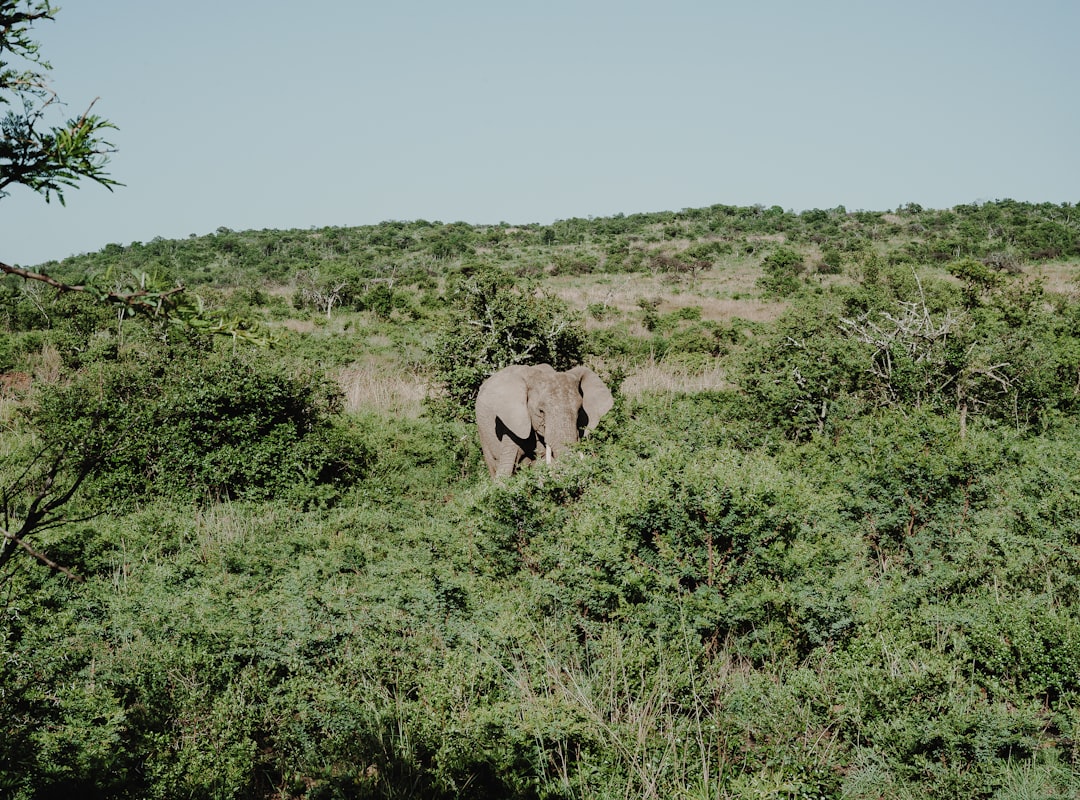
Swahili is Tanzania's national language. Essential safari phrases: "Habari?" (How are you?), "Asante" (Thank you), "Karibu" (Welcome/You're welcome), "Pole pole" (Slowly), "Simba" (Lion), "Tembo" (Elephant), "Twiga" (Giraffe). Pronunciation is consistent — words are always said as spelled. Even a few phrases transform how local guides and communities respond to you.
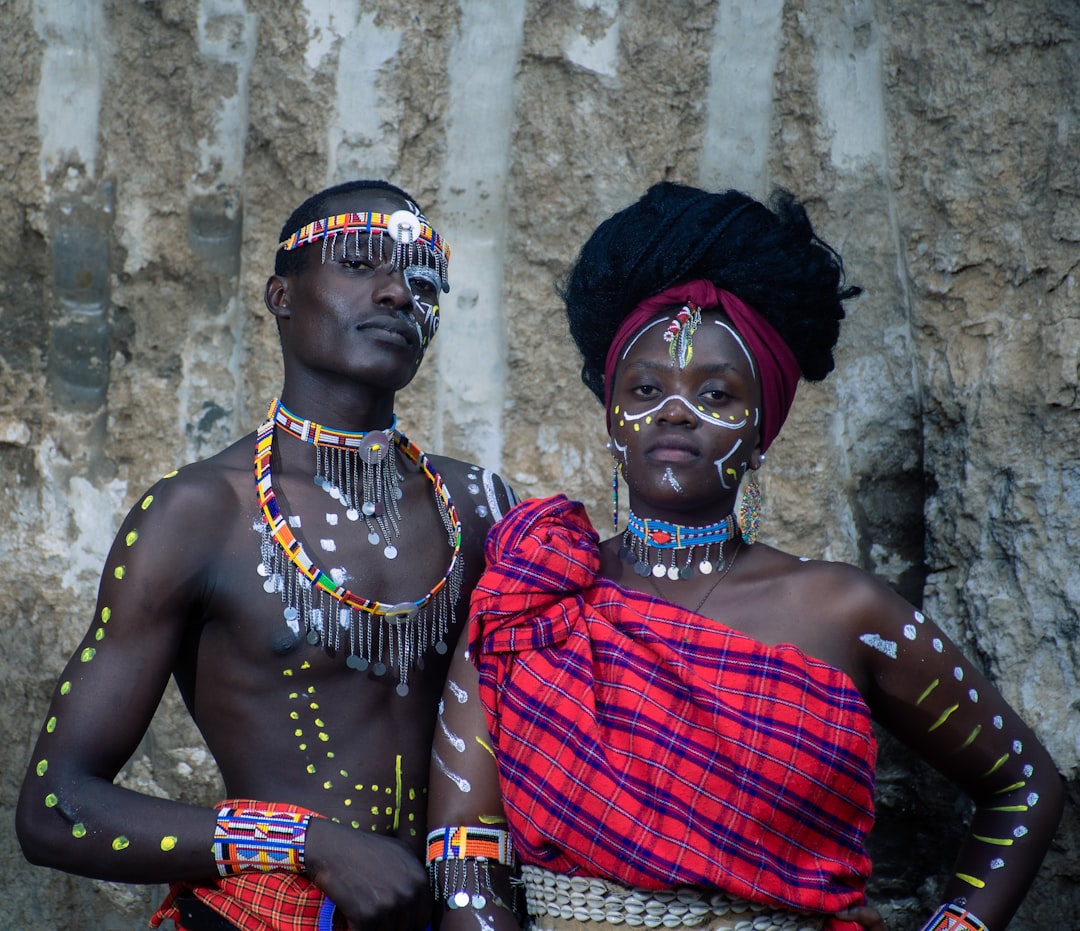
Swahili — Kiswahili — is one of Africa's most widely spoken languages and the national language of Tanzania. Learning even a handful of phrases transforms your safari experience. Tanzanian guides, lodge staff, and local people genuinely light up when a visitor tries even broken Swahili. It shows respect, creates connection, and opens doors that staying inside tourist-English never does.
This guide gives you everything you actually need: greetings, safari vehicle communication, market phrases, lodge etiquette, and a few lines that will make your guide laugh. No prior language knowledge required.
Why Swahili Matters on Safari
Tanzania has over 120 tribal languages — Chagga, Maasai, Hadzabe, Sukuma, and many more. But Swahili is the one language that unites them all. It is the language of school, of the market, of national broadcasting, of your safari guide's radio calls to other vehicles when they spot a leopard.
Your guide speaks English — almost certainly better than you speak Swahili. But using Swahili greetings and phrases is not about communication efficiency. It is about warmth. In Tanzanian culture, greeting someone properly before talking business is not optional politeness — it is fundamental respect. A visitor who learns "habari" signals something important about how they view the people they are visiting.
Essential Swahili Greetings
Swahili greetings are elaborate and important. Unlike English, where "hi" covers everything, Swahili has specific greetings for different times of day, different relationships, and different social contexts. Don't worry about mastering all of them — the ones below will cover 95% of your interactions.
| English | Swahili | Pronunciation |
|---|---|---|
| Hello (general) | Habari | ha-BAH-ree |
| Good morning | Habari ya asubuhi | ha-BAH-ree ya ah-su-BOO-hee |
| Good afternoon | Habari ya mchana | ha-BAH-ree ya m-CHA-na |
| Good evening | Habari ya jioni | ha-BAH-ree ya jee-OH-nee |
| How are you? | Habari yako? | ha-BAH-ree YA-koh |
| I'm fine / Good | Nzuri | n-ZOO-ree |
| Very good | Nzuri sana | n-ZOO-ree SAH-na |
| Welcome | Karibu | kah-REE-boo |
| Thank you | Asante | ah-SAN-teh |
| Thank you very much | Asante sana | ah-SAN-teh SAH-na |
| Please | Tafadhali | tah-fah-DHA-lee |
| You're welcome | Karibu / Sawa | kah-REE-boo / SAH-wa |
| Yes | Ndio | n-DEE-oh |
| No | Hapana | ha-PAH-na |
| No thank you | Hapana asante | ha-PAH-na ah-SAN-teh |
| Excuse me / Sorry | Samahani | sa-ma-HA-nee |
| Goodbye (said by person leaving) | Kwaheri | kwa-HEH-ree |
| Goodbye (said by person staying) | Kwa heri ya kuonana | kwa HEH-ree ya ku-oh-NA-na |
Special Swahili: The Respect Greetings
Tanzania has a formal greeting system for elders and respected people. You will encounter this when meeting senior community members, village elders, or older lodge staff:
| Greeting (to elder) | Swahili | Response |
|---|---|---|
| Respectful hello (to elder) | Shikamoo | Marahaba |
Shikamoo (shi-KA-moo) literally means "I hold your feet" — a gesture of deep respect. The response, Marahaba, means "I am pleased." You will hear children greet adult visitors with Shikamoo. If an elder greets you with it, respond with Marahaba. Using Shikamoo to greet an older guide, elder, or community leader will earn you enormous respect.
Safari-Specific Phrases
These phrases help you communicate with your guide during game drives and understand what you're seeing:
| English | Swahili | Notes |
|---|---|---|
| Stop! | Simama! | si-MA-ma — useful for pointing out a sighting |
| Look there! | Angalia! | an-ga-LEE-ah |
| Over there | Pale | PAH-leh |
| Lion | Simba | Yes, same as The Lion King |
| Elephant | Tembo / Ndovu | TEM-boh / n-DOH-voo |
| Leopard | Chui | CHOO-ee |
| Cheetah | Duma | DOO-ma |
| Buffalo | Nyati | n-YA-tee |
| Giraffe | Twiga | TWEE-ga |
| Zebra | Punda milia | PUN-da mi-LEE-ah ("striped donkey") |
| Wildebeest / Gnu | Nyumbu | n-YOOM-boo |
| Hippopotamus | Kiboko | ki-BOH-koh |
| Rhino | Kifaru | ki-FA-roo |
| Crocodile | Mamba | MAM-ba |
| Bird | Ndege | n-DEH-geh |
| Snake | Nyoka | n-YOH-ka |
| Beautiful | Nzuri sana | said of landscapes, animals, sunsets |
| Amazing / Wow | Ajabu! | ah-JA-boo — say this when a cheetah runs past |
| What is that? | Hiyo ni nini? | HEE-yoh nee NEE-nee |
| Where is the...? | Wapi...? | WAH-pee — "Wapi simba?" = Where is the lion? |
Phrases at the Lodge and Camp
| English | Swahili |
|---|---|
| The food is delicious | Chakula kizuri sana |
| I would like water | Nataka maji |
| I would like coffee/tea | Nataka kahawa / chai |
| Where is the toilet? | Choo kiko wapi? |
| I am tired | Nimechoka |
| I am hungry | Nina njaa |
| I am full | Nimeshiba |
| The view is beautiful | Mandhari ni nzuri sana |
| I am very happy | Mimi ni furaha sana |
| This is my first time in Africa | Hii ni mara yangu ya kwanza Afrika |
| I love Tanzania | Napenda Tanzania |
Market and Town Phrases
If you visit Arusha market, local craft stalls, or Stone Town in Zanzibar, these phrases will serve you well:
| English | Swahili |
|---|---|
| How much does this cost? | Bei gani? |
| That is too expensive | Ni ghali sana |
| Can you reduce the price? | Punguza bei? |
| I will give you... | Nitakupa... |
| I don't want it | Sitaki |
| I am just looking | Ninatazama tu |
| Do you have...? | Una...? |
| I want to buy this | Nataka kununua hii |
| What is this called? | Hii inaitwa nini? |
Numbers in Swahili
Essential for prices, sizes, and counting animals in a herd:
| Number | Swahili | Pronunciation |
|---|---|---|
| 1 | Moja | MOH-ja |
| 2 | Mbili | m-BEE-lee |
| 3 | Tatu | TAH-too |
| 4 | Nne | n-NEH |
| 5 | Tano | TAH-noh |
| 10 | Kumi | KOO-mee |
| 20 | Ishirini | ee-shee-REE-nee |
| 100 | Mia moja | MEE-ah MOH-ja |
| 1,000 | Elfu moja | EL-foo MOH-ja |
Days, Time and Directions
| English | Swahili |
|---|---|
| Today | Leo |
| Tomorrow | Kesho |
| Yesterday | Jana |
| What time is it? | Saa ngapi? |
| Morning | Asubuhi |
| Afternoon | Mchana |
| Evening / Night | Usiku |
| Left | Kushoto |
| Right | Kulia |
| Straight ahead | Moja kwa moja |
| Near | Karibu |
| Far | Mbali |
Cultural Phrases That Will Make Your Guide Smile
Some phrases go beyond utility. These show genuine engagement with Tanzanian culture:
- "Pole pole" (POH-leh POH-leh) — "Slowly, slowly." The Kilimanjaro climber's mantra and a broader Tanzanian life philosophy. Everything happens at its natural pace. When the guide says this to you mid-climb, he is both giving practical advice and sharing cultural wisdom.
- "Hakuna matata" — Yes, it's real Swahili before it was a Disney song. It means "there are no problems" or "no worries." Tanzanians genuinely use it. Saying it back to a guide who has just resolved a small problem will always get a laugh.
- "Tutaonana" (tu-ta-oh-NA-na) — "We will see each other again." Said at the end of your safari as you leave. Better than a generic goodbye.
- "Safari njema" — "Safe travels" or "good journey." Say this to your guide as you depart. It will stay with him.
Quick Reference: Swahili Pronunciation Rules
Swahili pronunciation is remarkably consistent — unlike English, words are almost always pronounced exactly as they are spelled:
- Vowels: a = "ah", e = "eh", i = "ee", o = "oh", u = "oo" (always the same, never silent)
- Most consonants are as in English
- The prefix "ng'" at the start of words (like Ngorongoro, Ndutu) is a nasal sound — put your tongue as if to say "ng" in "singing" and release
- Stress: usually falls on the second-to-last syllable (ha-BA-ri, not HA-bari)
One session practising these phrases before your trip — even 15 minutes — makes them flow naturally when you need them. Your guide will notice, and so will the people you meet.
Planning your Tanzania safari and want expert guidance on the cultural experience as well as the wildlife? Talk to our team in Arusha — we've been helping travellers connect with Tanzania for years.
Ready to Plan Your Tanzania Adventure?
Our local safari experts in Arusha will craft a personalized itinerary just for you. No obligation, free consultation.
Get Your Free Quote