Maasai People and Culture: A Guide to East Africa's Most Iconic Tribe
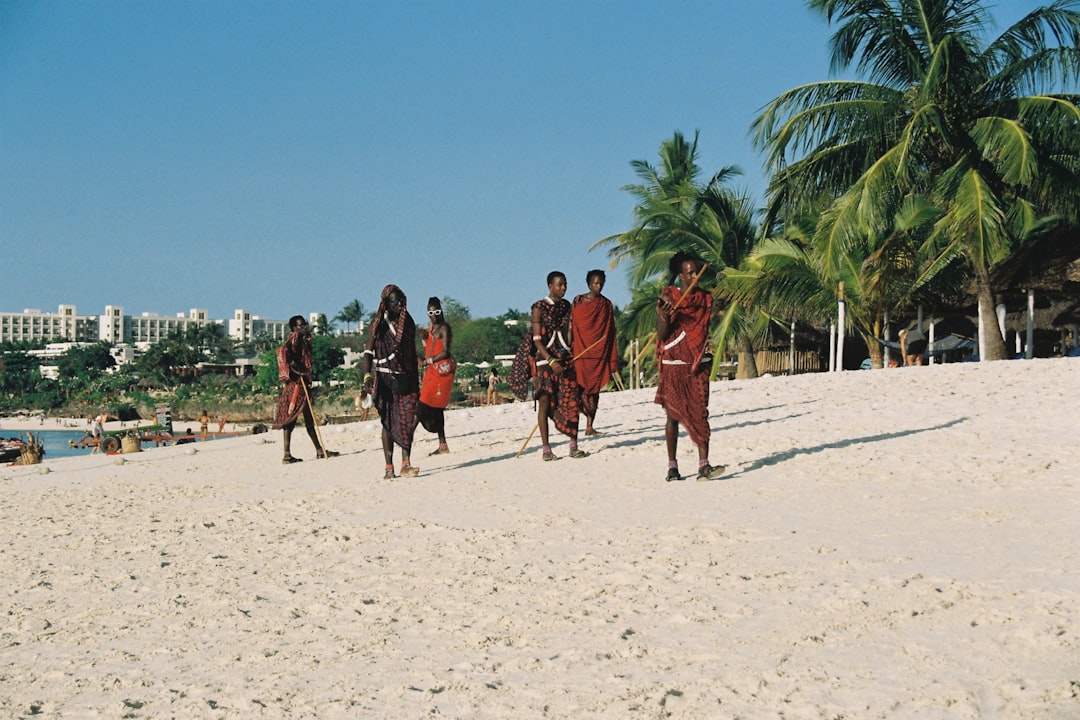
The Maasai are a Nilotic semi-nomadic people numbering approximately 1 million across Tanzania and Kenya. They measure wealth in cattle and children, maintain distinct age-grade systems (junior warriors, senior warriors, elders), and are recognisable by red shukas and elaborate beadwork. In Tanzania, Maasai communities border Serengeti, Ngorongoro, and Tarangire national parks.
Few images define East Africa in the global imagination more powerfully than the Maasai — tall, slender warriors wrapped in vivid red shukas, adorned with elaborate beadwork, standing in the savanna against the backdrop of Kilimanjaro. But who are the Maasai actually? Beyond the iconic image, their culture is sophisticated, practical, and under enormous pressure from the modern world. This guide gives you the real picture.
Who Are the Maasai?
The Maasai are a Nilotic semi-nomadic pastoralist people who live primarily in Kenya and Tanzania. Their population is estimated at approximately 900,000 to 1.5 million people across both countries. In Tanzania, the Maasai occupy the northern regions around the Rift Valley, Lake Natron, and the areas surrounding Arusha, Ngorongoro, and the Serengeti — the same landscapes that form Tanzania's safari heartland.
The Maasai speak Maa, a Nilotic language in the same family as Dinka (South Sudan) and Turkana (Kenya). Swahili is widely spoken as a second language. English proficiency is increasing among younger generations, particularly those with formal education.
Their distinctive pastoral lifestyle — raising cattle as the primary measure of wealth, social status, and cultural identity — has remained the core of Maasai society for centuries. But modernity, climate change, land restrictions, and formal education are rapidly reshaping what Maasai life looks like in the 21st century.
The Central Role of Cattle
Understanding Maasai culture requires understanding the central importance of cattle. For the Maasai, cattle are not simply livestock — they are:
- The primary measure of wealth and social standing (more cows = higher status)
- A currency for bride price (lobola) — a man must pay cattle to his bride's family
- A religious offering — cattle are sacrificed at important ceremonies
- The primary source of food — the Maasai traditionally ate meat, drank blood (mixed with milk), and fermented cow's milk rather than cultivating crops
- A source of identity — Maasai oral history, stories, and songs are rich with cattle themes
A Maasai proverb captures this worldview: "God gave us cattle and grass." This is not poetry — it is cosmology. The Maasai believe cattle were entrusted to them by God (Enkai) at the dawn of creation. Raiding other cattle-owning peoples was not theft in traditional Maasai ethics — it was reclaiming what was rightfully theirs.
Today, cattle herding continues but the traditional lifestyle is constrained by land registration, national park boundaries, and drought that has devastated herds. Many younger Maasai combine herding with formal employment, education, and business.
Age-Grade System: The Backbone of Maasai Society
Maasai society is organised around an age-grade system for men. Every 7–15 years, a new cohort of boys is initiated into the warrior age grade (Il-murran or Moran), creating a lifelong brotherhood.
The age grades:
- Junior boys (Ilayiok) — uncircumcised boys, responsible for herding calves and smaller livestock
- Warrior / Moran (Il-murran) — initiated through circumcision, responsible for protecting the community, raiding, and herding cattle. Warriors wear their hair in long, ochre-dyed braids. They are the most recognisable Maasai image globally.
- Senior warriors (Ilaiyok il-murran) — transitioning toward elder status, taking on more governance roles
- Junior elders (Il-kiama) — married men who participate in community decision-making. Marriage marks the transition from warrior to elder status.
- Senior elders (Il-kiama nchoku) — community leaders and decision-makers; the council of elders governs Maasai community affairs
The circumcision ceremony is the most important initiation in a man's life. It takes place around puberty and marks the transition from boy to warrior. The ceremony involves several days of ritual, after which the initiate's head is shaved and he receives warrior status. Warriors live communally in the manyatta (a temporary village for warriors) away from the main village.
Maasai Women: A Different Social Structure
Women's social structure is defined by age and marital status rather than the formal age-grade system of men. Girls undergo excision (female circumcision — a practice now increasingly opposed by human rights organisations and some younger Maasai communities themselves), after which they are considered ready for marriage.
Maasai women manage the household entirely — building and maintaining the family home (inkajijik), cooking, managing water, caring for children, and making the elaborate beadwork that serves as both social identity marker and economic product. The beadwork is not decorative — specific colours, patterns, and combinations carry specific social meaning (marital status, tribe, region, age grade of husband).
Women traditionally do not own property (cattle are owned by men). This is changing through NGO programs and education, with more Maasai women gaining formal employment, starting businesses, and challenging traditional gender constraints.
Maasai Diet: What They Actually Eat
The traditional Maasai diet is distinctive:
- Milk — the daily staple, consumed fresh and as sour fermented milk (kule naoto) which is stored in gourds
- Meat — not an everyday food but eaten at ceremonies, celebrations, and by warriors. Goats for regular events, cattle for major ceremonies.
- Blood — drunk at initiations, circumcisions, and when a person is sick. Usually mixed with milk. Cattle are bled from the jugular vein without killing the animal.
- Maize meal and other grains — increasingly part of the diet as traditional pastoral life becomes harder to sustain
Traditionally, Maasai men did not eat crops — which were associated with farming peoples they historically looked down upon. This cultural aversion has softened significantly as modern food systems reach remote communities.
Maasai Villages: What to Expect on a Cultural Visit
Many Tanzania safari itineraries include a Maasai village visit, typically lasting 1–2 hours. Authentic, community-managed visits (arranged through your lodge) typically include:
- Welcome dance and songs — the Maasai jumping dance (adamu) is performed by warriors. The highest jumper is admired most — athletic ability and bravery are valued.
- Village tour — inside a traditional boma (homestead): the thorny fence enclosure, small mud and dung houses (built by women), livestock pens
- Fire-making demonstration — using sticks and friction; a Maasai elder can start a fire in under 30 seconds
- Beadwork market — women sell beadwork jewellery, blankets (shukas), and crafts. This is a genuine income source — buy directly from the women making the items.
Maasai Jewellery and Clothing: What the Colours Mean
Maasai beadwork is far more than decoration — it is a visual language. Different colours carry specific meanings, though interpretations vary somewhat by region and community:
| Colour | Primary Meaning |
|---|---|
| Red | Bravery, strength, unity; associated with warriors and cattle blood |
| Blue | Energy, sky, water; essential for life |
| Green | Health, land, sustenance |
| Orange/Yellow | Warmth, generosity, friendship |
| White | Purity, health, cattle milk |
| Black | The people, hardship, the unity of the community |
The famous shuka — the red plaid blanket wrap worn by warriors and increasingly by all Maasai as a national identity symbol — comes in various colour combinations. The red and blue tartan pattern has become the most globally recognised version, but traditional variations in orange, blue, purple, and striped patterns also exist.
Stretched earlobes are another distinctive feature. Both men and women traditionally stretch their earlobes using increasingly large wooden plugs from childhood. The degree of stretching varies by individual. This practice has declined among younger, urban-educated Maasai.
The Maasai and Tanzania's National Parks
The relationship between the Maasai people and Tanzania's national parks is complicated and often painful. The creation of national parks in the colonial and early independence era involved displacing Maasai from their traditional grazing lands:
- Serengeti National Park: When the park was established in 1951, Maasai were moved out. The Ngorongoro Conservation Area (NCA) was created partly as compensation — a compromise where Maasai could continue to live and graze within the conservation area while wildlife was also protected.
- Ngorongoro Conservation Area: Approximately 80,000 Maasai live within the NCA. However, ongoing restrictions on cultivation and increasing pressure on traditional land use create significant tension. Evictions and restrictions continue to be contested.
- Tarangire: The Tarangire-Manyara ecosystem historically was key dry season grazing for Maasai. Park establishment restricted this access.
This history is relevant for safari visitors because the wildlife tourism that generates conservation revenue was built on land that was taken from the Maasai. Responsible tourism means engaging with this complexity honestly — supporting community-managed cultural visits, community conservancies, and operators who work ethically with Maasai communities.
Maasai Today: A Culture in Transition
The Maasai are not a museum exhibit. They are a living, adapting community navigating the intersection of tradition and modernity:
- Many young Maasai men have secondary and university education and work in tourism (as guides — many of Tanzania's best wildlife guides are Maasai), business, NGOs, and government
- Mobile phones and solar panels are now common in traditional bomas
- Female circumcision is increasingly challenged within communities and banned by Tanzanian law (though enforcement is uneven)
- Maasai community conservancies — where communities manage tourism directly and receive revenue — are becoming more common and represent a genuine model for combining cultural preservation with economic development
- Maasai elected officials sit in Tanzania's parliament; Maasai academics publish internationally; Maasai entrepreneurs run tourism companies
The Maasai are not disappearing. They are choosing what to keep and what to change — a process happening on their terms, even if slowly and imperfectly. A respectful safari visitor recognises this agency.
Want to incorporate a meaningful Maasai cultural experience into your Tanzania safari? Talk to our team — we work with authentic community-managed programmes and can advise on what makes for a genuine, respectful cultural encounter.
Ready to Plan Your Tanzania Adventure?
Our local safari experts in Arusha will craft a personalized itinerary just for you. No obligation, free consultation.
Get Your Free Quote