Great Migration Serengeti Calendar 2026: Where to Be and When
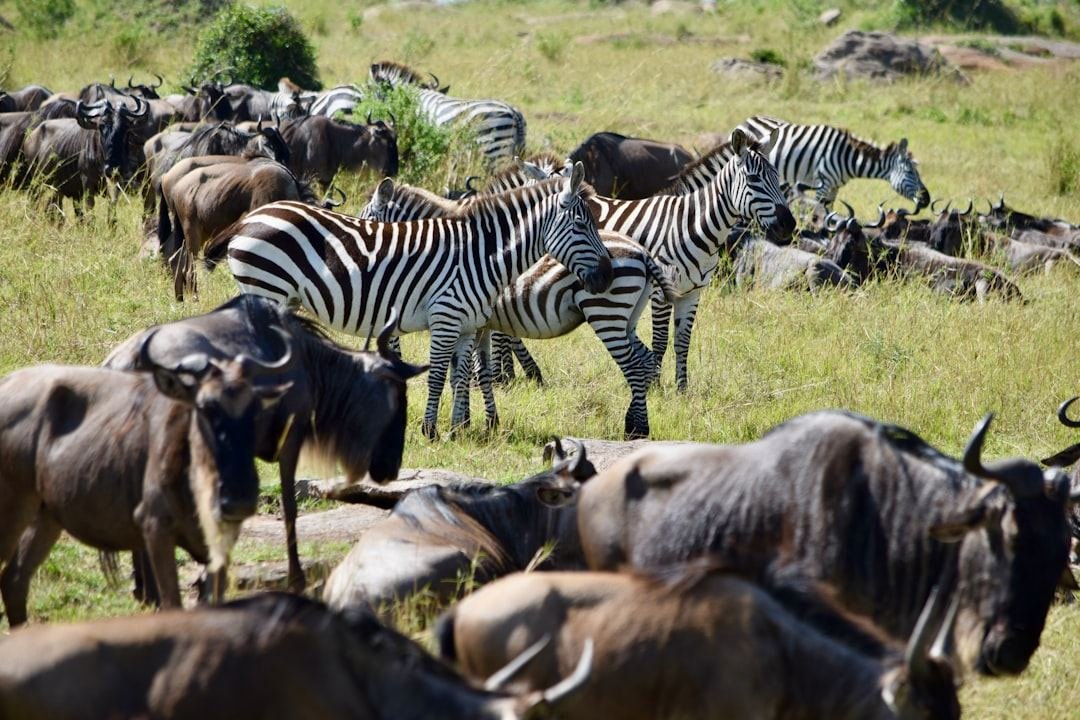
The Great Migration is in Tanzania's Serengeti from November through July annually. Key phases: Ndutu calving season (Jan–Feb), northward trek through central Serengeti (Mar–Jun), Grumeti River crossings (Jun–Jul), Mara River crossings (Aug–Sep). Herds return south October–December.
The Great Migration is the largest overland movement of animals on Earth — approximately 1.5 million wildebeest, 250,000 zebra, and 400,000 gazelle moving in a continuous circular journey across the Serengeti-Mara ecosystem. Understanding where the migration is in any given month is the single most important factor in timing your Tanzania safari. This detailed, month-by-month guide tells you exactly where to go and when to maximize your Great Migration experience in 2026.
The Great Migration: Understanding the Circular Journey
A crucial misconception to correct before diving into the calendar: the Great Migration is a circular journey, not a linear one. The wildebeest are not "going somewhere" — they are moving perpetually in a clockwise direction around the Serengeti ecosystem, following the rains, the new grass growth, and the nutrient cycle of the East African savanna. There is no beginning and no end. The herds are always moving, and spectacular wildlife encounters are possible in every month of the year — what changes is where in the ecosystem they are located.
What drives the migration is remarkably simple: grass. Specifically, wildebeest follow the short-grass plains during the rainy season when mineral-rich grasses sprout, and retreat to woodland areas with longer grasses during the dry season. The rains and their effect on grass quality determine everything.
The Great Migration Calendar 2026: Month by Month
January: Calving Season Begins — Southern Serengeti & Ndutu
Location: Southern Serengeti short-grass plains and the Ndutu area (Ngorongoro Conservation Area boundary)
January marks the beginning of the calving season — the most dramatic and ecologically intense phase of the entire migration cycle. The short-grass plains of the southern Serengeti and the Ndutu area receive the long rains, producing the mineral-rich grasses that wildebeest specifically seek for giving birth. Approximately 500,000 calves are born in a six-week window from late January through February.
This extraordinary birth rate — roughly 8,000 calves per day at peak — sustains the highest concentration of predators found anywhere in Africa. Lions stalk the plains constantly. Cheetah chase down vulnerable newborns on the open short-grass. Spotted hyena packs harry mothers separated from the herd. Leopard, wild dog, and jackal are all active. The predator-prey drama is relentless and intense.
What to see: Vast herds on the open plains, calving wildebeest, extraordinary predator action (cheetah, lion, hyena), gazelle fawning, and stunning open-sky photography
Crowd levels: Moderate — this season is known among experienced safari travelers but doesn't attract the same volume as the Mara crossing season
Accommodation tip: Stay at a camp in the Ndutu area or south of Seronera — Ndutu Safari Lodge, Serengeti Under Canvas (south), or a mobile camp that relocates to follow the herds
February: Peak Calving — Ndutu & Southern Plains
Location: Southern Serengeti / Ndutu / Ngorongoro Conservation Area short-grass plains
February is peak calving season and arguably the single best month in the entire year for predator action. The herds remain concentrated on the southern plains and Ndutu area, where the grass quality is highest. Enormous herds of wildebeest stretch to the horizon in the golden morning light, with calves taking their first wobbling steps while lions watch from kopjes.
The short-grass terrain means exceptional photography — unobstructed views across vast distances, clean backdrops, and the distinctive Ndutu woodland framing the open plains to the west.
What to see: Peak predator activity, calving wildebeest, massive herds, flamingos at Lake Ndutu and Masek
Crowd levels: Moderate — still the shoulder season for most tour operators
Weather: Short dry spell often occurs in February providing excellent driving conditions; some afternoon showers
March: Northward Movement Begins — Central Serengeti
Location: Transitional — southern plains through to central Serengeti
March marks the beginning of the northward movement. As the long rains begin (typically March–May), the grass on the southern plains grows too tall and loses the mineral quality the wildebeest require. The herds begin consolidating and moving north and westward. The movement is gradual and not uniform — herds are spread across a wide swath of the ecosystem during March.
The dramatic large-scale spectacle of the calving season gives way to a more diffuse pattern, but the central Serengeti around Seronera is excellent, with resident lion prides, leopard in the riverine woodland, and the full complement of resident species.
What to see: Large herds on the move, excellent resident predators at Seronera, good general game viewing
Crowd levels: Lower — long rains approaching deters some visitors, creating a pleasant, quieter experience
Weather: Long rains begin; afternoon and evening rainfall common but mornings usually fine
April: Long Rains — Central Serengeti in Transit
Location: Central and western Serengeti
April is the heart of the long rains and Tanzania's "green season." The herds are moving through the central Serengeti and beginning to approach the western corridor. This is the quietest month for tourism — many camps reduce rates significantly, and you may have the parks almost to yourself.
Despite the perception that the green season is poor for wildlife, it is excellent for: lush photogenic landscapes, newborn animals of all species (impala, zebra, eland, giraffe), excellent birding with migrant species present, and surprisingly good game viewing on the central plains. The roads can be muddy and difficult in some areas, but 4WD vehicles handle them well.
What to see: Herds moving northwest, lush green landscapes, newborns, excellent resident predators
Crowd levels: Very low — the best time for solitude and significant cost savings
Accommodation tip: Outstanding value — luxury camps often run green season rates at 30–50% below peak pricing
May: Moving Through the Western Corridor
Location: Western Serengeti corridor, approaching Grumeti River
By May, large portions of the wildebeest are moving through the western corridor toward the Grumeti River. The rains are still present but often beginning to ease in the second half of the month. The western corridor landscape — rolling hills, thicker woodland, the Grumeti River — is dramatically different from the open southern plains and offers a very different photographic palette.
The Grumeti River crossing begins tentatively in May, with some herds attempting crossings before the main event in June and July. Giant Nile crocodiles in the Grumeti River — some of the largest in Africa — are alert and waiting.
What to see: Herds approaching Grumeti, early crocodile river crossings, good general game including topi and roan antelope in the western corridor
Crowd levels: Low to moderate — season beginning to pick up at month's end
June: Grumeti River Crossings — Western Corridor
Location: Western Serengeti — Grumeti River area
June sees the dry season arrive in earnest, and the Grumeti River crossings intensify. The Grumeti is a smaller river than the Mara, but its crocodile population is extraordinary — including some of the largest Nile crocodiles in the world, with individuals exceeding 5 meters in length. When wildebeest columns reach the river, they hesitate in the characteristic way of the migration — building up in enormous numbers on the bank, milling uncertainly, before a brave or careless individual breaks for the water and the herd follows in a thundering mass.
June is an excellent month to visit the western corridor specifically to witness Grumeti crossings, which receive far less attention than the Mara River crossings but are equally spectacular and far less crowded.
What to see: Grumeti River crossings, enormous crocodiles, massive wildebeest columns, excellent lion and hyena activity
Crowd levels: Moderate — peak season beginning, but western corridor less visited than central Serengeti
Accommodation tip: Singita Grumeti Reserves offers unrivalled access to the western corridor with exclusive land
July: Northern Serengeti & Mara River Build-Up
Location: Northern Serengeti — Lamai/Kogatende area, approaching Mara River
July is the month when the migration reaches the northern Serengeti and the first Mara River crossings begin. The Mara River, wider, deeper, and with stronger currents than the Grumeti, presents a far more formidable obstacle. The crocodile population is massive. Wildebeest build in huge numbers on the southern bank, sometimes waiting days before the first animal breaks. When the crossing begins, the scene is one of Africa's most extraordinary — a wall of wildebeest plunging into the river, swimming furiously through churning water and snapping crocodiles, scrambling up the northern bank and immediately beginning to graze.
The northern Serengeti at Kogatende and Lamai offers magnificent crossing viewpoints with far fewer vehicles than the equivalent positions on the Kenyan side of the border. The Tanzania experience of the Mara crossings is more intimate, more remote, and arguably more exciting than the Masai Mara experience.
What to see: Mara River crossings (first of the season), enormous wildebeest columns, exceptional lion, hyena, crocodile activity
Crowd levels: Building to high — this is peak season, book well in advance
August: Peak Mara River Crossings
Location: Northern Serengeti — Kogatende / Lamai Wedge, Mara River
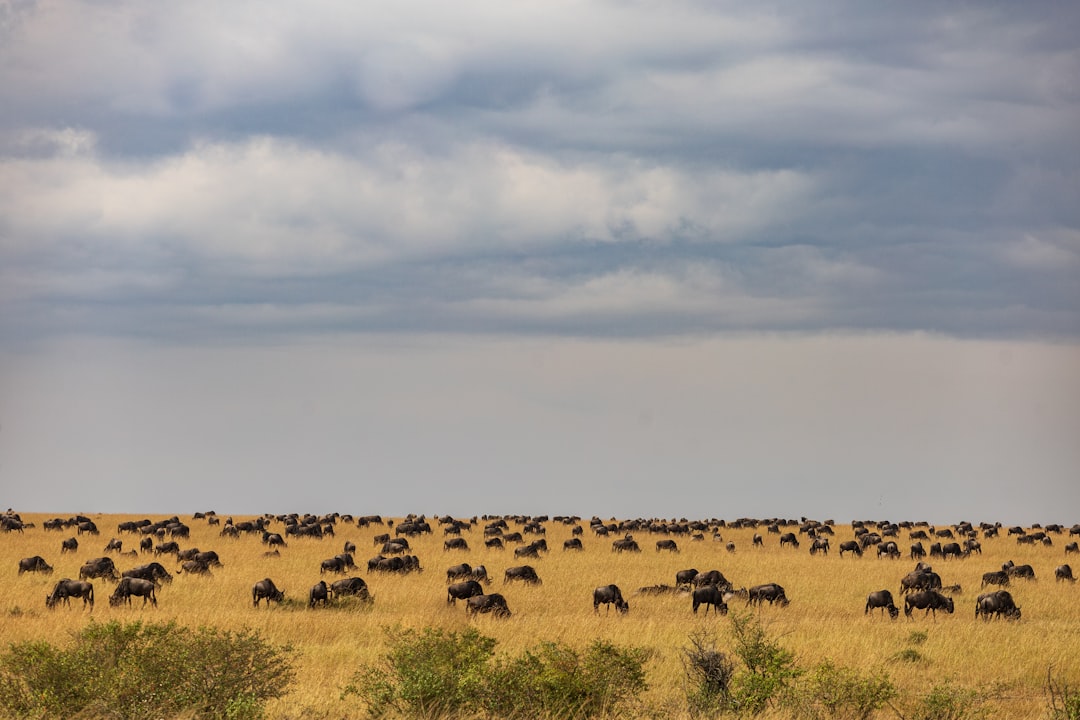
August is the peak of the Mara River crossing season and one of the most sought-after safari experiences in the world. The herds are concentrated in the northern Serengeti, and crossings can occur multiple times per day at various crossing points along the Mara River. The sheer volume of wildebeest in the northern Serengeti during August is staggering — the plains appear black with animals stretching to the horizon.
The northern Serengeti during August also offers outstanding resident predator viewing. Enormous lion prides (some of the largest in the Serengeti) patrol the Kogatende area. Cheetah are visible on the more open plains. Leopard are excellent in the riverine woodland around the Mara River. This is Tanzania's most intense month for pure wildlife spectacle.
What to see: Peak Mara River crossings (multiple per day possible), massive wildebeest herds, outstanding predator action
Crowd levels: Peak — the busiest month in the Serengeti. Book 12–18 months in advance for the best camps
Accommodation tip: Lamai Serengeti, Sayari Camp, Serengeti Migration Camp — all positioned for excellent crossing access
September: Crossings Continue — Northern Serengeti
Location: Northern Serengeti, beginning to shift back toward central
September continues the spectacular northern Serengeti experience, with Mara River crossings still occurring regularly. By mid-to-late September, some herds begin moving south again as the first hints of the short rains approach. The northern Serengeti is still exceptional, with crossings possible throughout the month.
September often has slightly lower crowd levels than August, with nearly as good wildlife spectacle — making it a preferred month for travelers who want the crossing experience without August's peak crowds.
What to see: Continued Mara crossings, large herds, excellent general game
Crowd levels: High but slightly below August peak
October: Southward Migration Begins
Location: Central and eastern Serengeti, transitional
October marks the beginning of the southward movement. As the short rains approach, the wildebeest begin returning south through the central Serengeti. The herds are spread across a wide area during October, and the central Serengeti's resident wildlife — lions, cheetah, leopard at Seronera — is excellent.
October is also the beginning of the green season in terms of landscape — the first rains bring a freshness to the golden dry-season grass that makes for distinctive photography. Crowd levels begin to drop from the August–September peak, and accommodation prices start to reflect this.
What to see: Herds moving south, excellent central Serengeti resident game, improving landscapes as rains approach
Crowd levels: Moderate and dropping — good balance of wildlife and value
November: Return Journey — Central to Southern Serengeti
Location: Central Serengeti, moving toward southern plains
November sees the wildebeest continuing southward as the short rains establish. The herds are passing through the central Serengeti and beginning to arrive on the southern plains and Ndutu area. This is an underrated month — the landscape transforms dramatically with the rains, the first wildflowers appear, and the resident predators in Seronera are highly active.
What to see: Large herds transiting south, excellent central predators, dramatic green-season skies and landscapes
Crowd levels: Lower — good value month with authentic wildlife experiences
December: Southern Plains — The Circle Completes
Location: Southern Serengeti — Ndutu, Naabi Hill, short-grass plains
December brings the wildebeest back to the southern short-grass plains, completing the circular journey. The landscape is at its most lush and green. The rut (mating season) often occurs in December, with male wildebeest in vigorous competition for females. The first pregnant females begin to show, and predators — knowing what is coming — begin to concentrate in the area.
December into January marks the transition back to calving season, and the cycle begins again. The circle never ends.
What to see: Large herds on southern plains, wildebeest rut activity, lush green landscapes, cheetah on short-grass plains
Crowd levels: Moderate — Christmas period is popular but southern Serengeti less crowded than the north was in August
Tips for Timing Your Migration Safari
- Book 12–18 months ahead for July–September: The northern Serengeti's best crossing-season camps fill very early
- Don't ignore the calving season: January–February in the south is spectacular and significantly less crowded than peak season
- The migration is unpredictable: No guide, app, or operator can guarantee a river crossing on any specific day. The wildebeest follow the rains, which vary year to year. Plan for 3–4 nights in crossing areas to maximize your chances.
- Consider mobile camps: Several operators run fly-camping or mobile camp operations that relocate to follow the migration — these offer superior positioning but require flexibility
- Year-round value: Even without river crossings, the Serengeti offers exceptional wildlife 365 days a year. The resident predators, elephants, giraffe, and thousands of other animals are always present.
For a broader overview of Tanzania's seasonal patterns, read our Best Time to Visit Tanzania for Safari guide. For everything about the Serengeti beyond the migration, see our Serengeti National Park Complete Safari Guide.
Planning your migration safari requires local knowledge, accurate current information about herd movements, and relationships with the best camps in each zone. iTanzania Safaris is based in Arusha and works with guides and camp managers across the Serengeti year-round — giving us real-time intelligence on herd locations that ensures your itinerary places you in the right zone at the right time. Contact our team today for a free, expertly timed Great Migration safari proposal.
Ready to Plan Your Tanzania Adventure?
Our local safari experts in Arusha will craft a personalized itinerary just for you. No obligation, free consultation.
Get Your Free Quote