Serengeti National Park: Ultimate Safari Guide & Great Migration
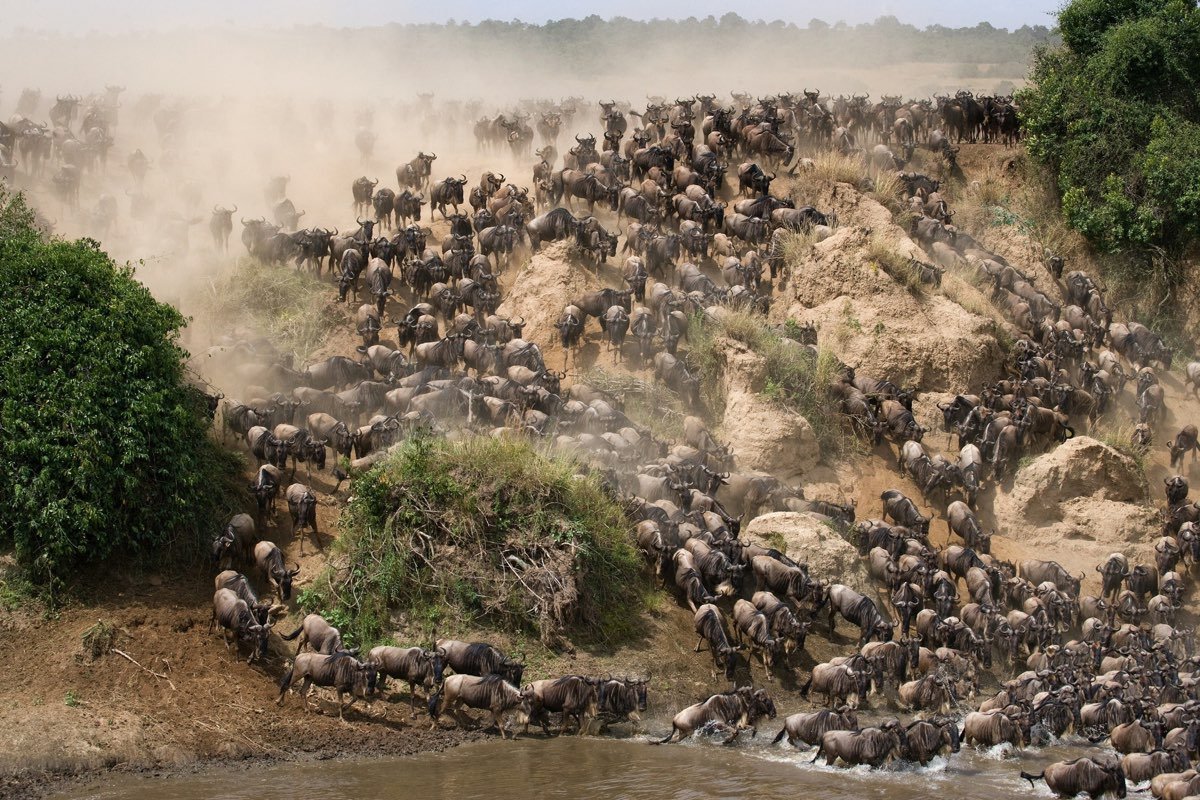
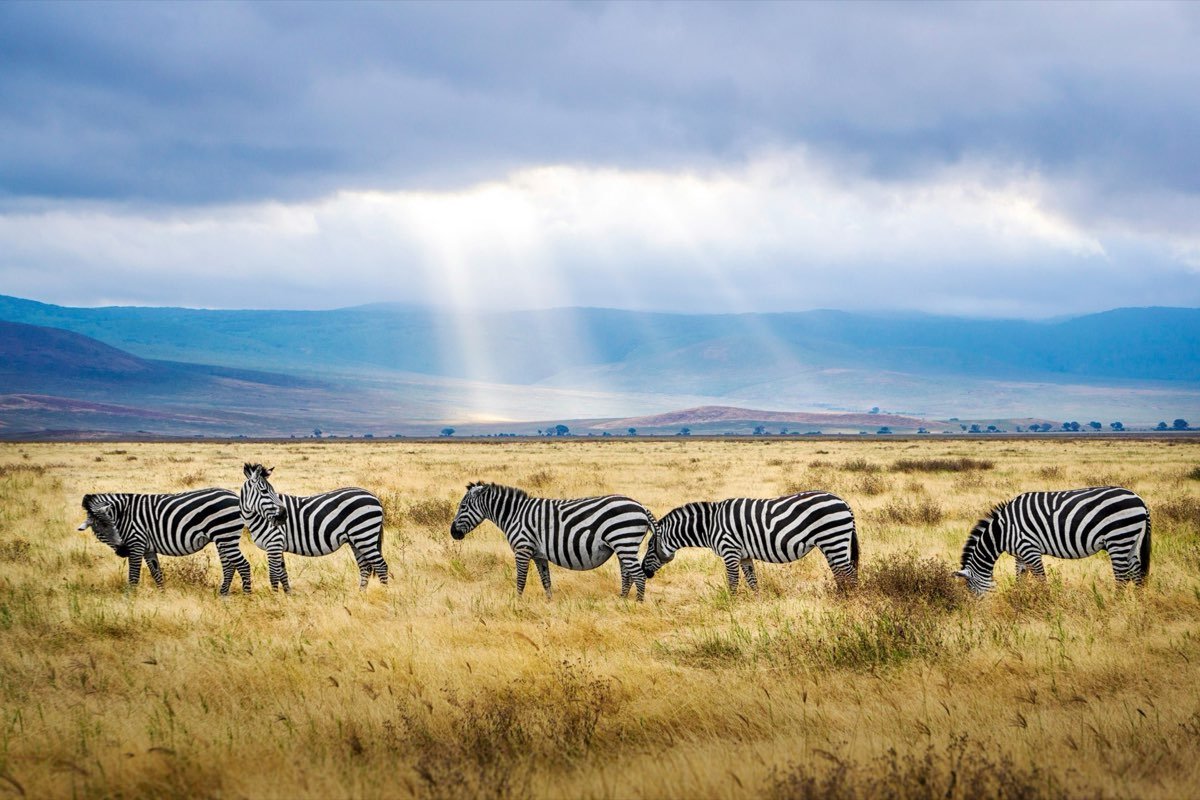
Serengeti National Park covers 14,763 km² in northern Tanzania. Entry fee: $82/day per adult (2026). Best time: June–October for dry season; January–February for calving. The park hosts the annual Great Migration — 1.5 million wildebeest and 250,000 zebra — the largest overland wildlife movement on Earth.
The Serengeti National Park is synonymous with the African safari experience. Spanning 14,750 square kilometers of grassland, woodland, and riverine forest, it is home to the largest terrestrial mammal migration on Earth and one of the highest concentrations of predators in Africa. This guide covers everything you need to plan an unforgettable Serengeti safari.
Why the Serengeti is Africa's Most Famous Safari Destination
Named after the Maasai word "siringet" meaning "endless plains," the Serengeti delivers a wildlife experience unmatched anywhere on Earth. UNESCO designated it a World Heritage Site in 1981, recognizing its outstanding universal value for biodiversity.
The numbers speak for themselves: over 1.5 million wildebeest, 400,000 zebra, 3,000 lions, 1,000 leopards, and 500 cheetahs call this ecosystem home. Add 500+ bird species and you have arguably the greatest wildlife arena on the planet.
Understanding the Serengeti's Regions
The Serengeti is not one homogeneous landscape. It is divided into distinct regions, each offering different experiences depending on the season:
Central Serengeti (Seronera)
The heart of the park and the most visited area. The Seronera Valley has permanent water, making it a year-round wildlife hotspot. Expect excellent predator sightings — this area has one of the highest densities of leopards in Africa. The famous Serengeti kopjes (rocky outcrops) dot the landscape, often harboring lions.
Seronera is served by Seronera Airstrip, which receives scheduled and charter flights from Arusha (approx. 45 minutes). It is the most accessible airstrip in the park and the one most first-time visitors use. The airstrip sits 5 km from the Seronera Wildlife Lodge, making it the logical base for visitors focusing on central-park wildlife. Accommodation options around Seronera range from the government-run Seronera Wildlife Lodge to mid-range camps like Kati Kati and upmarket options such as Serengeti Serena Safari Lodge. This region is best visited year-round but is particularly strong for predator sightings from June to October when dry conditions concentrate prey at waterholes.
Southern Serengeti & Ndutu
Short-grass plains stretching to the Ngorongoro Conservation Area. This is calving season headquarters (December-March) when hundreds of thousands of wildebeest give birth. The open terrain makes for phenomenal predator-prey interactions and photography opportunities.
The southern plains are technically accessed through the Naabi Hill Gate, which sits at the boundary between the Serengeti and the Ngorongoro Conservation Area. There is no dedicated commercial airstrip for the deep south; most fly-in visitors to Ndutu use the small Ndutu airstrip inside the NCA, which is not a TANAPA-managed facility. The best accommodation for calving season is in the Ndutu area: Ndutu Safari Lodge (the original, opened in the 1960s), Lake Masek Tented Camp, and Sanctuary Ndutu Serengeti. Visitors who want the calving season experience should plan January to February as the peak weeks, when wildebeest density on the plains is at its highest.
Western Corridor (Grumeti)
A wedge of land extending toward Lake Victoria. The migration passes through here from May to July, crossing the Grumeti River in dramatic fashion. This area is less visited than the north, offering a more exclusive experience. Large Nile crocodiles await the herds at river crossings.
The western corridor has its own airstrip at Grumeti, served by charter flights from Arusha. The region is dominated by the Grumeti Reserves, a private conservation area adjacent to the national park that operates exclusively high-end camps including Singita Sabora Tented Camp and Singita Faru Faru Lodge. For travelers not staying at Singita, the Kirawira Serena Luxury Tented Camp is the main mid-range option inside the park. The western corridor's reduced visitor numbers — a product of its remoteness — mean that even during peak migration months you may have a Grumeti River crossing almost entirely to yourself. This region also harbors significant populations of topi, buffalo, and the rarely seen patas monkey along the Grumeti riverine forest.
Northern Serengeti (Kogatende)
The most remote and arguably most spectacular region. The famous Mara River crossings happen here from July to October, with tens of thousands of wildebeest plunging into crocodile-infested waters. Access is more difficult, keeping crowds lower despite the incredible action.
The northern Serengeti is served by Kogatende Airstrip, a short grass runway near the Mara River that receives charter flights from Arusha (approximately 1 hour 15 minutes). Scheduled services are limited, so most visitors fly via Seronera or charter directly. Key lodges in the north include Lamai Serengeti, Four Seasons Safari Lodge (Serengeti, accessed via Lobo), Serengeti Migration Camp, and several mobile camps that shift position seasonally to track the herds. The north is the only Serengeti region that directly borders Kenya's Maasai Mara, and the wildlife corridor is entirely open — the herds cross the international border as freely as they cross the river. For Mara River crossings, the best positions are at Crossing Point 1 (below Lamai Wedge) and the Kogatende crossing points, both of which your guide will know well. July to September is prime time; October crossings still occur but the herds begin their southward return.
The Big Five in the Serengeti
The Serengeti is one of the best places in Africa to see all five members of the Big Five. Here is what to realistically expect for each species:
- Lion: The most reliably seen of the Big Five. With roughly 3,000 lions spread across the park, sightings are virtually guaranteed on any multi-day visit. The Seronera area is famous for its large prides. Lions are often spotted on kopjes in the morning sun or resting in riverine forest shade during the midday heat.
- Leopard: The Seronera Valley is one of the highest-density leopard habitats on the continent. These cats are active near dawn and dusk and rest in sausage trees (Kigelia africana) during the day — an experienced guide will know which trees to check. Northern and western regions also hold leopards but sightings require more patience.
- Elephant: Large elephant herds are resident in the northern Serengeti year-round and move into the western corridor during the wet season. The Lobo area in the northeast reliably produces elephant sightings. Elephants are less common in the open southern plains.
- Buffalo: Enormous buffalo herds — some numbering in the thousands — are found throughout the park. They tend to concentrate near water during the dry season. The western corridor and Lobo areas have high densities.
- Rhino: The Serengeti's black rhino population is small and critically endangered. The Moru Kopjes area in the central-south is the most reliable area to look, but sightings are never guaranteed. The Ngorongoro Crater provides far better rhino sightings if that is a priority for your trip.
The Great Migration: A Year-Round Spectacle
The Great Migration is not a single event — it is a continuous, clockwise movement driven by rainfall and grass growth. The herds are always somewhere in the Serengeti ecosystem, and knowing where to be is the key to witnessing this spectacle.
The most dramatic moments are the river crossings at the Grumeti (June-July) and Mara (August-October) rivers, where crocodiles and the sheer chaos of millions of hooves create nature's ultimate drama. But the calving season (February) in the south offers equally compelling viewing as predators feast on the vulnerable newborns.
For detailed migration timing, read our complete Great Migration guide.
Wildlife Beyond the Migration
Even without the migration herds, the Serengeti's resident wildlife is extraordinary:
- Lions: The Serengeti has the largest lion population in Africa (~3,000). The pride dynamics around the Seronera kopjes are world-famous.
- Leopards: The Seronera Valley offers some of the best leopard sightings on the continent. Look for them draped over sausage tree branches.
- Cheetahs: The open southern plains are prime cheetah territory, particularly during calving season when prey is abundant.
- Elephants: Large herds frequent the northern and western regions, particularly near rivers.
- Hippos: The Retima Hippo Pool in central Serengeti has one of the largest hippo congregations in East Africa.
- Birds: Over 500 species, from massive ostriches to tiny sunbirds. November to April brings migratory species from Europe.
Species Beyond the Headlines
The Serengeti holds several remarkable species that most first-time visitors do not expect to see, but that make a significant impression when encountered:
- African Wild Dog: One of Africa's most endangered large predators, with fewer than 6,000 remaining continent-wide. The Serengeti does hold resident packs, though sightings are genuinely uncommon and location-specific. The northern Lobo area and western corridor have produced the most consistent recent sightings. If wild dogs are a priority, alert your guide before the safari starts so they can seek out intel from other guides in the field.
- Cheetah: More detail beyond the bullet above — the Serengeti's cheetah population of roughly 500 individuals is one of the densest in Africa. The open short-grass plains of the Salei and Gol areas in the southeast give cheetahs the unobstructed sight lines they need to hunt. Females with cubs are frequently seen on the Serengeti plains from January to April. A cheetah hunt on the open plain, watched from 50 meters, is among the most intense wildlife experiences this park offers.
- Nile Crocodile: The Grumeti and Mara rivers harbor enormous Nile crocodiles that grow to 5 meters and beyond. These reptiles are year-round residents, but they become impossible to ignore during the migration river crossings when they take wildebeest in full view of watching vehicles. The Grumeti River crocodiles are particularly large because fish are abundant in that river system — some individuals here are among the largest recorded in East Africa.
- Hippo: The Retima Hippo Pool, accessible from the Seronera area, holds a permanent pod of 50 to 100 hippos. This is not a migration-dependent sighting — the hippos are there every month of the year. Hippos are responsible for more human deaths in Africa than any large predator, a fact that becomes viscerally real when your vehicle is parked 10 meters from a 1,500 kg animal.
- Hyena: The spotted hyena is the most numerous large predator in the Serengeti, with an estimated 7,000 to 10,000 individuals across the ecosystem. Hyenas are primarily nocturnal hunters, but clan activity — including cub-rearing at dens — can be watched during daylight hours. The Seronera area has several active hyena dens that guides visit regularly.
- Giraffe: Masai giraffe are abundant throughout the Serengeti, particularly in areas with acacia woodland. They are not migration-dependent and present a spectacular photographic subject against the Serengeti skyline at any time of year.
- Jackal: Both black-backed and side-striped jackals are common. They are often overlooked as "small predators" but their behavioral complexity — cooperative hunting, pair bonding, pup-rearing — makes them a rewarding subject for patient observers.
Practical Logistics: Entry Fees, Gate Times, and Access
The Serengeti is managed by TANAPA (Tanzania National Parks Authority). Here are the key logistics to build your planning around:
- Park Entry Fee (2026): $82 per person per day for non-resident adults. This is a 24-hour fee counted from first entry. Children aged 5-15 pay $20 per day. Children under 5 are free. Fees are paid electronically via the TANAPA online portal or at park gates — cash is no longer accepted at most entry points.
- Vehicle Fee: Registered safari vehicles pay a fee per entry. Your operator handles this as part of the park fees included in your package quote.
- Gate Opening Hours: All Serengeti gates open at 6:00 am and close at 7:00 pm. No vehicles are permitted to drive inside the park outside these hours (with the exception of guests at lodges within the park boundaries, who are bound by slightly different night-drive regulations depending on their concession).
- Main Entry Gates: Naabi Hill Gate (from Ngorongoro direction, most common route from Arusha), Ndabaka Gate (western approach from Mwanza), Ikoma Gate (western approach), and Klein's Gate (northeastern approach for the Lobo/Kogatende area).
- Nearest Airstrips: Seronera Airstrip for central Serengeti; Kogatende Airstrip for northern Serengeti and Mara River; Grumeti Airstrip for the western corridor; Lobo Airstrip for the northeast. All airstrips receive charter flights from Arusha's Arusha Airport (ARK) or Kilimanjaro International Airport (JRO).
- Road Conditions: The main road from Arusha to Naabi Hill Gate (via Ngorongoro) is approximately 320 km and takes 5 to 6 hours by road in good conditions. Internal park roads are mostly graded dirt tracks that become challenging during heavy rains. Flying in is strongly recommended for the northern and western regions, which can be 6 to 8 hours from the park gates by road.
Conservation Status and TANAPA Management
The Serengeti National Park is a UNESCO World Heritage Site (designated 1981) and an IUCN Category II protected area. It is managed by TANAPA under the Tanzanian Ministry of Natural Resources and Tourism. The park's management plan covers wildlife monitoring, anti-poaching operations, community outreach, and infrastructure maintenance.
Anti-poaching enforcement has improved significantly over the past decade. TANAPA rangers patrol the park boundaries continuously, and aerial surveillance is now used across the ecosystem. The biggest ongoing threats to the Serengeti ecosystem are not from within the park but from its edges: agricultural encroachment, human-wildlife conflict in buffer zones, and proposed infrastructure corridors (a proposed highway through the northern Serengeti was successfully blocked after international scientific opposition, but pressure to develop infrastructure near the park continues).
The Serengeti ecosystem extends beyond TANAPA boundaries. Adjacent protected areas — the Ngorongoro Conservation Area to the south, the Maswa Game Reserve to the southwest, Grumeti Reserves and Ikona Wildlife Management Area to the west, and Kenya's Maasai Mara National Reserve to the north — together form a 40,000 km² ecosystem. Wildlife moves freely across many of these boundaries, which is why the migration circuit functions at all. Revenue from park fees directly funds TANAPA operations including ranger salaries, veterinary services, and community benefit programs for villages adjacent to the park.
Photography in the Serengeti: Practical Tips
The Serengeti is among the top five wildlife photography destinations on the planet. Here is what makes the difference between record shots and portfolio images:
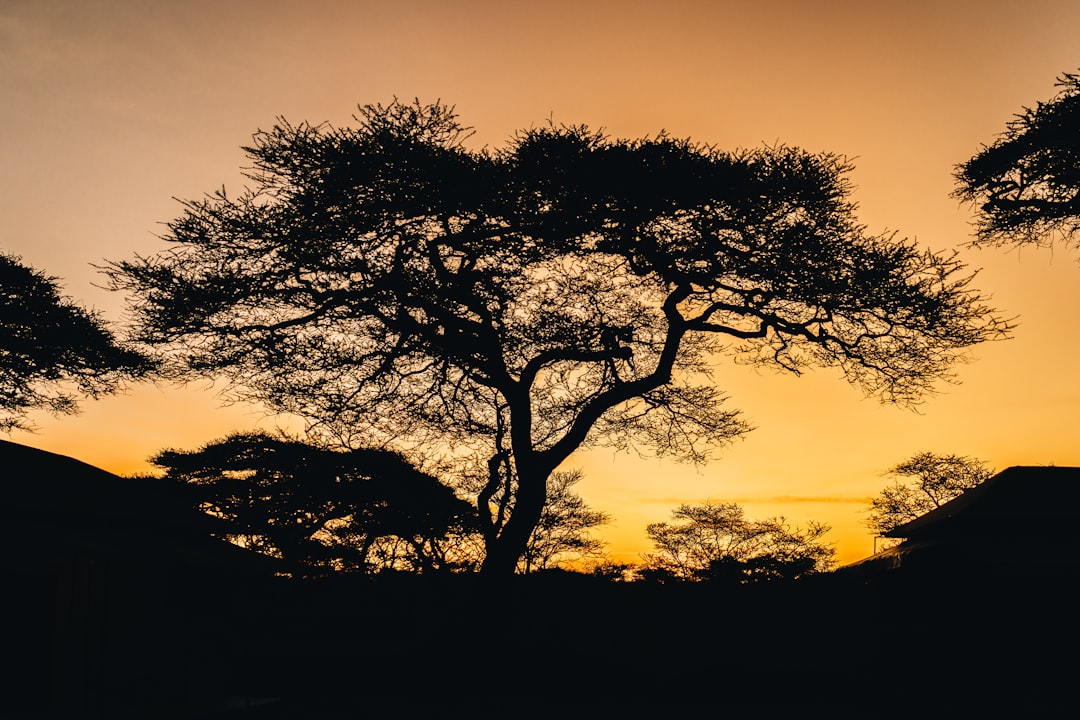
- Golden Hour: The first 60 to 90 minutes after sunrise and the final hour before sunset produce the warm directional light that defines great safari photography. The flat Serengeti terrain means the sun clears the horizon quickly and is already high and harsh by 8:30 am. Be in the field by 6:15 am — which means departing camp by 5:45 am — to use the best light.
- Simba Kopje: One of the most photographed spots in all of Africa. Located in the central Serengeti near Seronera, this granite outcrop is reliably occupied by lions, who use the rocks for both shade and elevation to survey their territory. Approach slowly, position your vehicle with the sun behind you, and wait. Lions on kopjes are relaxed and present excellent portrait opportunities.
- Moru Kopjes: A cluster of rocky outcrops in the south-central Serengeti, Moru Kopjes offer diverse subjects: lions, leopards, and the best chance of black rhino in the Serengeti. The kopjes also have ancient Maasai rock paintings (accessible with your guide) and dramatic landscape compositions.
- River Crossing Photography: For Mara and Grumeti crossings, arrive at the river early and wait. The herds mass on one bank for 30 minutes to several hours before crossing. Position your vehicle on the same side as the crossing direction so the animals move toward you (better than a view of their hindquarters). A 400mm or 500mm lens is ideal; a 200-400mm zoom gives versatility. Use burst mode. Crossings last only 5 to 25 minutes but produce thousands of frames.
- Cheetah on Termite Mounds: Cheetahs regularly use elevated termite mounds as lookout points. These are iconic shots — a cheetah silhouetted against an open plain sky. In the southern Serengeti, scan elevated mounds systematically with binoculars and you will find them.
- Dust and Haze Management: The dry season (June-October) produces significant dust haze by midday. Shooting into backlit dust in the late afternoon can produce beautiful atmospheric images of herds on the move. However, for sharp animal portraits, side or front lighting with a clear background is preferable. Clean your sensor and lens regularly — dust is a constant problem in open vehicles.
- Respect the 25-meter Rule: TANAPA regulations prohibit driving within 25 meters of wildlife. A good guide will position your vehicle at the optimal distance without violating this rule or stressing the animals. Avoid safari operators who drive too close — it disrupts behavior and makes for poor photographs anyway.
Safari Activities in the Serengeti
Game Drives: The classic Serengeti experience. Morning and afternoon drives in open-roof 4x4 vehicles with your expert guide. Early morning drives offer the best predator activity and golden light for photography.
Hot Air Balloon Safaris: Float over the endless plains at sunrise for a perspective no game drive can match. Available year-round from multiple launch sites. Cost is approximately $550-600 per person, including a champagne bush breakfast.
Walking Safaris: Guided walks with armed rangers offer an intimate, ground-level perspective on the bush. Available in specific concession areas.
Night Game Drives: Some private concessions allow after-dark drives, revealing nocturnal species like aardvarks, bush babies, and hunting hyenas.
Best Time to Visit the Serengeti
The Serengeti is a year-round destination, but the optimal time depends on what you want to see:
- River crossings: July to October (Northern Serengeti)
- Calving season: January to March (Southern Serengeti/Ndutu)
- Fewest crowds: April to May and November
- Best overall weather: June to October (dry season)
- Bird watching: November to April (migratory species present)
Read our detailed month-by-month Tanzania timing guide for more information.
Frequently Asked Questions: Serengeti National Park
How many days do I need in the Serengeti?
A minimum of three nights gives you enough game drive time to cover the central Serengeti meaningfully. Four to five nights is more realistic if you want to explore multiple regions — for example, two nights in the central Seronera area and two nights in the north during migration season. Anything less than two nights is too rushed; you will spend most of your time driving to and from the park rather than exploring it. If your primary goal is the Mara River crossings, budget at least three nights in the northern Serengeti specifically, as crossing timing is unpredictable and you may need to wait a day or two at the river.
What is the Serengeti park entry fee in 2026?
The current TANAPA non-resident adult entry fee is $82 per person per 24-hour period. Children aged 5 to 15 pay $20 per day. Children under 5 enter free. These fees are in addition to vehicle fees and accommodation levies, all of which a reputable operator will detail clearly in your safari quote. Fees are subject to change; TANAPA has historically adjusted rates every one to two years, so verify current rates at the time of booking.
Can I visit the Serengeti independently without a guide?
Technically, TANAPA does not require you to use a guide — you can enter in a self-drive vehicle with a valid permit. However, self-drive safaris in the Serengeti are strongly discouraged for several practical reasons: the park road network is poorly signed and easy to get lost in, locating wildlife without local knowledge is significantly harder, and getting a vehicle stuck in mud or sand in a remote area is a serious situation. The vast majority of visitors, including experienced safari travelers, use a professional driver-guide. For first-time visitors, a qualified guide with deep local knowledge is not a luxury — it is the single most important factor determining your experience quality.
What should I pack for a Serengeti safari?
The essentials: neutral-coloured clothing (khaki, olive, tan — avoid blue, which attracts tsetse flies), lightweight layers for cold mornings and hot afternoons, a wide-brim hat, high-SPF sunscreen, quality binoculars (8x42 is the optimal combination of magnification and brightness), a dust-proof bag for your camera equipment, and a headlamp. Avoid white or bright colours on game drives. The Serengeti can be surprisingly cold at night and in the early morning, particularly in the north from June to August — a fleece or light down jacket is not excess baggage. Medical items: antimalarials, insect repellent with DEET, oral rehydration salts, and any personal prescription medication.
Is it safe to visit the Serengeti?
Yes. The Serengeti is a well-managed, well-patrolled national park with a strong safety record for tourists. Crime against safari visitors inside the park is extremely rare. The wildlife risks are real but managed — you stay in your vehicle during game drives, and reputable camps have protocols for walking between tents at night (typically an escort from camp staff). Tanzania as a whole is politically stable and has a long track record as a safe tourism destination. The practical precautions are standard: follow your guide's instructions without exception, do not exit the vehicle in the bush without explicit clearance, and take malaria prophylaxis seriously as the Serengeti is in a malaria-endemic zone.
Plan Your Serengeti Safari from Arusha
As a local safari operator based in Arusha — the gateway city to the Northern Circuit — we know the Serengeti intimately. Our guides have decades of combined experience tracking wildlife, reading animal behavior, and finding the best sightings.
Whether you want a budget camping adventure or a luxury lodge experience, we will craft a Serengeti itinerary tailored to your interests, timeline, and budget. Contact us for a free consultation or browse our safari packages.
Ready to Plan Your Tanzania Adventure?
Our local safari experts in Arusha will craft a personalized itinerary just for you. No obligation, free consultation.
Get Your Free Quote