Los Cinco Grandes de África: Guía Safari Completa de Leones, Leopardos, Elefantes, Búfalos y Rinocerontes
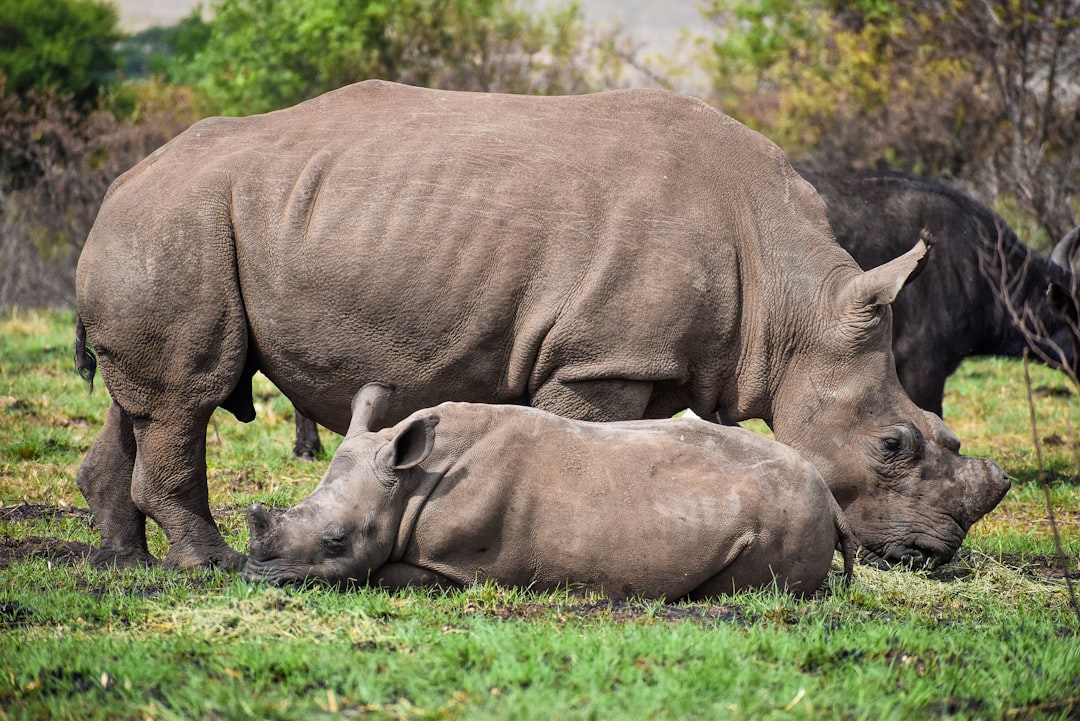
The Big Five — lion, leopard, elephant, Cape buffalo, and black/white rhino — were named by big-game hunters for the danger they posed on foot. Tanzania offers some of Africa's best Big Five sightings: Serengeti for lion, Ngorongoro for rhino, Tarangire for elephant herds, and any park for buffalo. Leopards are nocturnal and hardest to spot.
The Big Five — lion, leopard, elephant, buffalo, and rhino — are the five animals that defined the golden age of African hunting and now define the golden age of African safari photography. The term was coined by big-game hunters who rated these five as the most dangerous and difficult to hunt on foot. Today they are the five animals every safari visitor most wants to see. Tanzania is one of the best places on Earth to see all five.
What Are the Big Five?
| Animal | Swahili Name | IUCN Status | Best Tanzania Location |
|---|---|---|---|
| African Lion | Simba | Vulnerable | Ngorongoro Crater, Serengeti Seronera, Ruaha |
| African Leopard | Chui | Vulnerable | Serengeti, Tarangire, Ruaha |
| African Elephant | Tembo / Ndovu | Vulnerable (African); Endangered (Forest) | Tarangire, Serengeti, Nyerere, Ruaha |
| Cape Buffalo | Nyati | Least Concern | Ngorongoro Crater, Serengeti, Tarangire |
| Black Rhinoceros | Kifaru | Critically Endangered | Ngorongoro Crater (primary Tanzania population) |
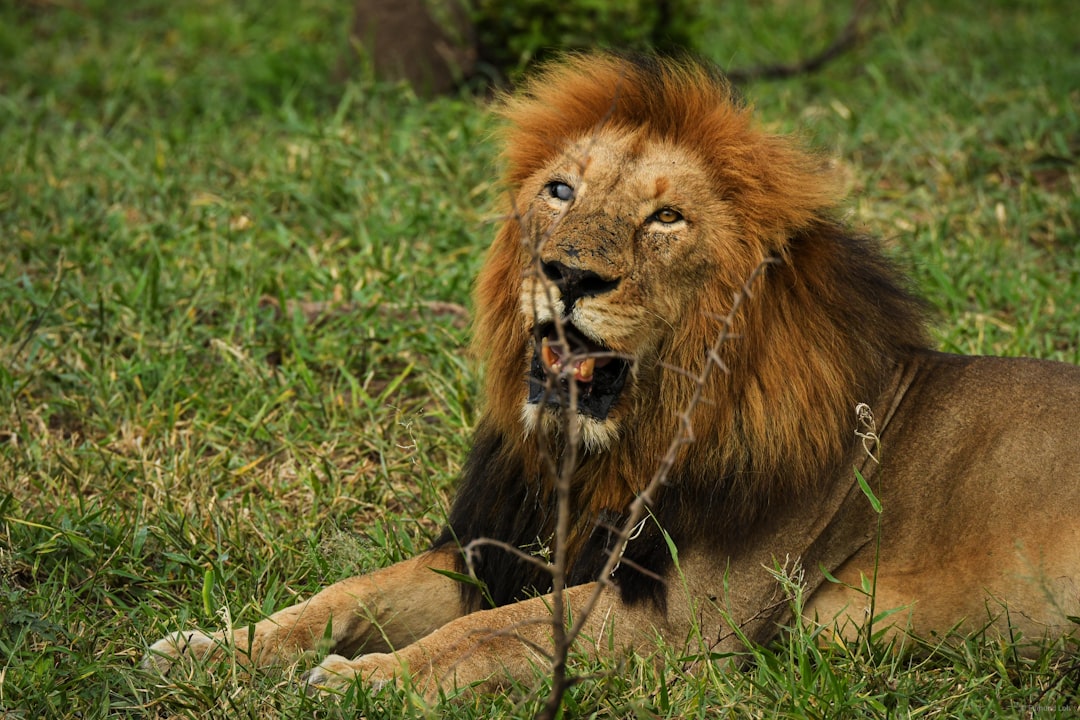
1. African Lion (Panthera leo)
The lion is the quintessential safari animal — the one that makes every first-timer's heart rate jump. Africa's apex predator and the only truly social cat, lions live in prides and are found throughout Tanzania's main safari areas.
Key facts:
- Weight: Males 160–190 kg; females 110–140 kg
- Top speed: 80 km/h (in short bursts)
- Pride structure: 2–8 females with cubs; 1–4 males holding territorial rights
- Hunting: Lionesses do 90% of the hunting; success rate approximately 25–30%
- Roar: Audible from 8 km away; used for territory advertisement and pride communication
- Tanzania population: ~8,000–10,000 — roughly 40% of all wild lions in Africa
Where to see them in Tanzania: Ngorongoro Crater (virtually guaranteed — one of the densest lion populations in Africa), Serengeti Seronera central area (year-round), northern Serengeti during the wildebeest migration (July–October), Tarangire, and Ruaha. The Crater almost always delivers a lion sighting on any day-long game drive.
Best time: Dry season (June–October) is best for lion sightings — short grass means excellent visibility and lions are often resting in the open. But lions are visible year-round in all these parks.
2. African Leopard (Panthera pardus)
The hardest of the Big Five to find — and the one that gets the biggest reactions when found. Leopards are solitary, secretive, predominantly nocturnal, and extraordinarily skilled at hiding. They are also among the most physically beautiful animals on earth: golden, rosette-spotted coats, an explosive athleticism, and a habit of draping themselves in trees that produces extraordinary photographs.
Key facts:
- Weight: Males 60–90 kg; females 30–60 kg
- Strength: Can carry prey up to 3× their own weight into a tree (to keep kills away from lions and hyenas)
- Speed: 58 km/h — slower than a lion but can accelerate explosively from cover
- Swimming: Strong swimmers; will cross rivers readily
- Territory: Males 30–78 km²; females 15–30 km²; marked with scent and scratch marks
- Vocalization: A distinctive sawing cough, like wood being sawn — you may hear it at night from your tent
- Nocturnal: Most active between dusk and dawn; extremely hard to find during the heat of the day
Where to see them in Tanzania: The Serengeti (particularly kopje rock outcrops in the central zone) is one of the best leopard destinations in Africa because the lack of thick forest means leopards are more visible in trees. Tarangire's riverine acacia woodland is excellent leopard habitat. Ruaha has a very high leopard density with considerably less tourist competition.
3. African Elephant (Loxodonta africana)
The African elephant is the world's largest land animal and arguably its most intelligent. An adult bull elephant can weigh 6,000 kg and stand 3.3 metres at the shoulder. In Tanzania, elephants are common in virtually all safari parks — Tarangire is particularly famous for its extraordinary concentrations in dry season, where herds of 200-300 animals converge on the Tarangire River.
Key facts:
- Weight: Bulls up to 6,000 kg; cows up to 3,000 kg
- Height: Bulls up to 3.3 m at shoulder
- Lifespan: 60–70 years in the wild
- Social structure: Matriarchal — led by the oldest female (the matriarch); bulls live semi-solitarily after puberty
- Memory: Elephants have extraordinary long-term memory — they remember drought refuges, individual humans (friendly or threatening), and the location of deceased family members
- Communication: Low-frequency infrasound (below human hearing range) allows communication over 10+ km; audible rumbles, trumpeting, and a range of other vocalisations
- Gestation: 22 months — the longest of any land mammal
- Calves: Born at approximately 100 kg; nursed for up to 3 years; protected intensely by the whole herd
- Tusks: Modified upper incisors; used for digging, stripping bark, and combat; ivory poaching has severely reduced tusk size in many populations through selective pressure
Tanzania's elephant population: Tanzania has approximately 60,000–70,000 African savanna elephants — one of Africa's largest populations. Tarangire has the highest density in the Northern Circuit; Ruaha and Nyerere in the south have enormous populations but are less accessible.
Ivory poaching crisis: Tanzania's elephant population crashed from ~109,000 in 2009 to ~43,000 in 2014 due to industrialised poaching — driven by Chinese ivory demand. An intensified anti-poaching effort after 2015 has seen significant population recovery. Current numbers are recovering but surveillance remains critical.
4. Cape Buffalo (Syncerus caffer)
The Cape buffalo is the most dangerous of the Big Five to encounter on foot — and the most underappreciated on safari. Often overlooked because they look like large domestic cattle, buffalo are in fact formidable, intelligent, and occasionally volatile. Old solitary bulls ("dagga boys") are particularly unpredictable and have gored more hunters and rangers than any other animal in Africa.
Key facts:
- Weight: 500–900 kg
- Herd size: Typically 50–500 animals; can be over 1,000 in Serengeti
- Danger rating: Responsible for more human deaths annually in Africa than lions, according to most studies
- Defence strategy: When threatened by lions, buffalo form a tight defensive circle with young and calves at the centre. Large herds can fight off lion attacks — calves are occasionally rescued from lion mouths by charging buffalo herds.
- Bovine tuberculosis: Many Serengeti buffalo carry TB — this spreads to lions, limiting lion populations
- Lifespan: 20–25 years
- Social bulls ("dagga boys"): Old bulls leave the herd and live solitarily or in small bachelor groups. These individuals are the most dangerous to approach on foot.
Where to see them in Tanzania: Ngorongoro Crater has excellent buffalo viewing — large herds often numbering 500+ animals near the crater floor wetlands. Serengeti has vast herds that can be seen in their thousands during the dry season. Tarangire and Ruaha also have strong populations.
5. Black Rhinoceros (Diceros bicornis)
The black rhinoceros is the rarest of the Big Five and one of the most critically endangered large mammals on Earth. Once abundant across sub-Saharan Africa, systematic poaching for horn (used in Asian traditional medicine and as status symbols) reduced the continental population from ~70,000 in 1970 to fewer than 2,500 by 1993. Conservation efforts have partially recovered the population to approximately 6,500 today — but it remains Critically Endangered.
Key facts:
- Weight: 800–1,400 kg
- Two horns: Front horn up to 1.4 m; rear horn shorter. Horn is made of keratin (same protein as human nails) — not bone or ivory.
- Sight: Very poor; relies primarily on smell and hearing
- Temperament: More aggressive than white rhino; will charge perceived threats
- Diet: Browser (eats leaves, shrubs) — distinctive hooked lip for grasping vegetation
- Lifespan: 35–50 years
- Speed: Up to 55 km/h (despite bulk)
- Tanzania population: Approximately 150–160 black rhinos — concentrated in the Ngorongoro Crater
The Ngorongoro Crater black rhino: Tanzania's primary black rhino population lives in the Ngorongoro Crater. The crater's natural boundaries create a protected environment where rhinos can be monitored by rangers. The population has recovered from single digits in the 1990s to approximately 30–35 individuals today — a genuine conservation success, though fragile. Sightings are most likely in the early morning at the wetlands and open grassland areas of the crater floor.
Why seeing a black rhino matters: A Ngorongoro Crater black rhino sighting is a genuinely rare wildlife experience. You are looking at one of approximately 6,500 individuals remaining on Earth — an animal that nearly went extinct within living memory. It is one of the most meaningful wildlife encounters available anywhere.
Tanzania Big Five Safari: Where to See All Five
The Ngorongoro Crater gives the highest probability of seeing all five in a single day — it has lion, leopard (harder to find), elephant, buffalo in abundance, and a recovered rhino population. The Serengeti adds extraordinary density of lions, leopard in kopje rocky outcrops, and vast elephant and buffalo herds.
| Park / Area | Lion | Leopard | Elephant | Buffalo | Rhino |
|---|---|---|---|---|---|
| Ngorongoro Crater | ★★★★★ | ★★★ | ★★★★ | ★★★★★ | ★★★★ |
| Serengeti (Seronera) | ★★★★★ | ★★★★ | ★★★ | ★★★★ | ✗ |
| Tarangire | ★★★ | ★★★ | ★★★★★ | ★★★ | ✗ |
| Ruaha | ★★★★ | ★★★★ | ★★★★★ | ★★★★ | ✗ |
| Nyerere / Selous | ★★★ | ★★★ | ★★★★ | ★★★★ | ✗ |
For a complete Big Five experience with the highest rhino sighting probability, the classic Northern Circuit (Tarangire + Serengeti + Ngorongoro Crater) is unbeatable.
Beyond the Big Five: Tanzania's "Other Five"
The Big Five get all the attention, but Tanzania's wildlife roster is vastly richer. Don't neglect the "Other Five" that are often harder to find and equally thrilling:
- Cheetah: The world's fastest land animal; open Serengeti plains are one of the best places to watch cheetah hunts in daylight
- Wild dog: Africa's most efficient predator; Nyerere/Selous and Ruaha have Tanzania's strongest populations
- Nile crocodile: The river crossings of the Mara bring wildebeest and massive Nile crocodiles together in primal scenes
- Hippopotamus: Found in all rivers and lakes; more responsible for human deaths in Africa than any other large animal
- Giraffe (Masai): The world's tallest animal; Tanzania has a healthy Masai giraffe population throughout the Northern Circuit
Ready to see the Big Five in Tanzania? Browse our safari packages or talk to our Arusha-based team to plan an itinerary that maximises your wildlife encounters.
¿Listo para Planificar tu Aventura en Tanzania?
Nuestros expertos locales de safari en Arusha crearán un itinerario personalizado solo para ti. Sin compromiso, consulta gratuita.
Obtén tu Presupuesto Gratuito