¿Es Tanzania Segura para Turistas? La Guía Honesta de Seguridad 2026
Tanzania is one of Africa's safest safari destinations. Violent crime against tourists on organised safaris is rare. Key precautions: use TATO-registered operators, avoid walking alone in cities after dark, take malaria prophylaxis, drink bottled water. The Tanzania Police Tourism Unit operates in all major tourist areas.
Tanzania is one of Africa's most visited safari destinations — and one of its most welcoming. But if you've searched "is Tanzania safe for tourists," you're asking the right question before booking. The honest answer: Tanzania is safe for the vast majority of visitors, particularly those on organised safari packages. Violent crime targeting tourists is rare, the country is politically stable, and Tanzania has hosted millions of international visitors without major incident.
That said, no destination is risk-free. Like any international travel, Tanzania has specific hazards worth understanding — petty theft in urban areas, health risks, road conditions, and a handful of scam types that target tourists. This guide covers all of it honestly, so you can travel well-informed.
Tanzania's Safety Record: The Factual Picture
Tanzania ranks among the most politically stable countries in East Africa. The country has not experienced a civil war or major internal conflict. Elections are regularly held and political transitions are peaceful. Tanzania is home to over 120 ethnic groups — and unlike many neighbours, ethnic tension is low and national identity is strong.
The UK Foreign, Commonwealth & Development Office (FCDO) and the US State Department both classify most of Tanzania as a safe travel destination. Both advise normal travel precautions — the same advice they give for popular European and South American destinations. Isolated exceptions include the border areas near the DRC (far from tourist routes) and some border regions near Mozambique. The main safari destinations — Arusha, Serengeti, Ngorongoro, Tarangire, Zanzibar — carry no specific warnings.
Common Safety Risks and How to Avoid Them
Petty Theft and Pickpocketing
The most common crime affecting tourists in Tanzania is petty theft — pickpocketing and bag-snatching, primarily in urban areas like Arusha city centre, Dar es Salaam markets, and Zanzibar's Stone Town. These incidents are opportunistic, not targeted with violence.
Practical precautions:
- Don't display expensive cameras, phones, or jewellery on busy streets
- Use a hotel safe for passports and extra cash
- In Arusha, avoid walking alone after dark outside the main hotel area
- In Stone Town, take taxis rather than walking back to your hotel at night
- Use ATMs inside banks or hotel lobbies rather than street ATMs
- Carry only the cash you need for the day
On safari, theft is almost never a concern. Safari lodges and camps are secure environments and theft from rooms is extremely uncommon. Wildlife, not crime, is the only thing to watch for at the camp perimeter.
Road Safety
Tanzania's roads vary significantly in quality. The main highways connecting Arusha, Moshi, Dar es Salaam, and safari areas are generally acceptable. Secondary roads — especially in national parks — are unpaved and can be challenging in the green season. Long-distance bus travel carries higher risk due to speeding and overloading.
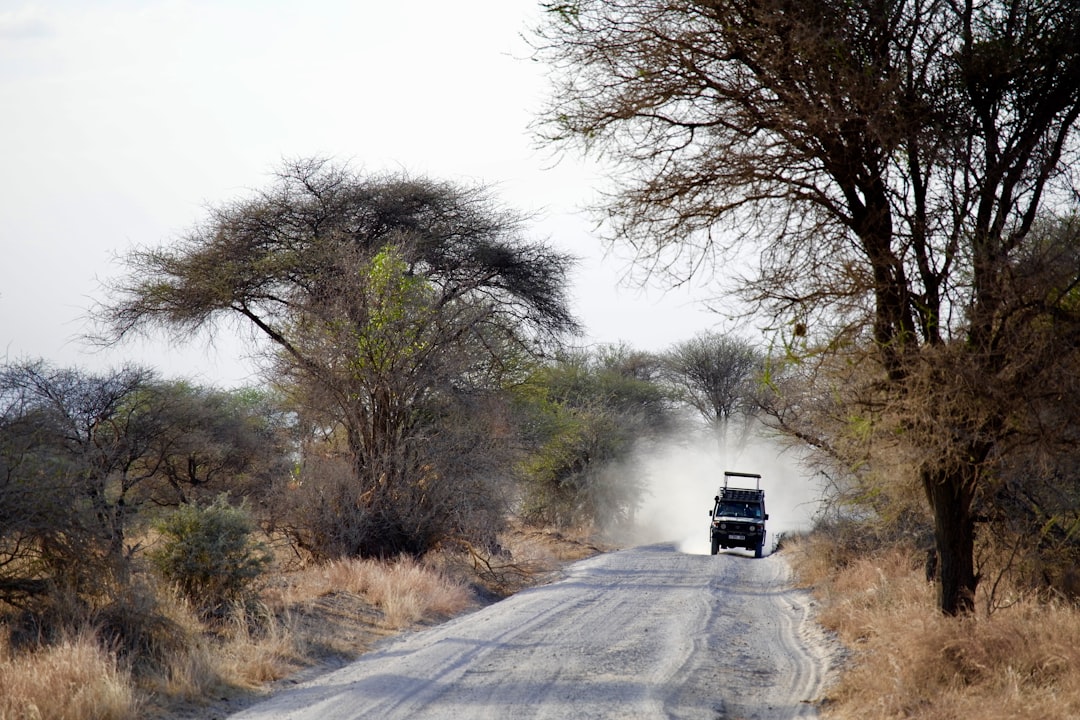
For tourists on safari, this is largely not an issue: you will be in a 4WD Land Cruiser or similar vehicle driven by a trained professional driver-guide. Safari vehicles are designed for rough roads. The risk on self-drive is higher, which is why independent driving is not recommended for first-time visitors.
Health Risks
Health is a more significant concern than crime for most Tanzania visitors. Key risks:
- Malaria: Present in Tanzania year-round, including safari areas and Zanzibar. Prophylaxis (Malarone, doxycycline, or Lariam) is strongly recommended. Use DEET insect repellent, sleep under nets, and wear long sleeves at dawn and dusk.
- Yellow fever: Not endemic in Tanzania but vaccination is required if arriving from a yellow fever endemic country. Recommended regardless as some border countries require proof of vaccination.
- Food and water: Drink only bottled or purified water. Safari lodges and reputable hotels provide safe drinking water. Be cautious with raw salads and street food in busy markets.
- Altitude on Kilimanjaro: If climbing Kilimanjaro, altitude sickness is a real risk above 3,000m. Proper acclimatisation via a longer route (Machame 7-day or Lemosho 8-day) dramatically improves safety and success rates.
Travel insurance including emergency medical evacuation is essential for Tanzania. Medical facilities outside Arusha are limited, and medevac flights to Nairobi are common for serious cases. Ensure your policy covers safari activities and altitude climbing if relevant.
Is Tanzania Safe for Solo Travellers?
Tanzania is generally safe for solo travellers on organised safari packages. You will be with a driver-guide in a private vehicle, staying at established camps and lodges, and following well-worn itineraries. The risk profile is similar to organised group travel.
For solo female travellers specifically: Tanzania is conservative in dress standards, particularly outside tourist areas and on Zanzibar (which is majority Muslim). Modest clothing (covering shoulders and knees) in non-beach, non-safari settings is both respectful and reduces unwanted attention. On safari, this is a non-issue. In Zanzibar's Stone Town and rural areas, conservative dress is genuinely appreciated.
Harassment of solo female travellers does occur in urban areas — persistent touts near the Arusha clock tower area, for example. Firm but polite refusal ("hapana asante" — no thank you) is effective. Engaging with persistent touts invites escalation. Walking with purpose and avoiding eye contact in these areas works well.
Is Tanzania Safe for Families?
Tanzania is an excellent family destination. Safari lodges with children's programmes, family tents, and experienced guides who engage kids with wildlife knowledge make the experience memorable for all ages. Park rules requiring children to be in vehicles are actually a safety feature — there is no walking on the crater floor, so child safety is managed by default on most game drives.
The main family consideration is malaria prophylaxis for children — consult your GP before travel for appropriate paediatric doses. Ensure children stay hydrated in the heat, use high-SPF sunscreen, and wear long sleeves for evening game drives when mosquitoes are active.
Safari-Specific Safety: Wildlife and Nature
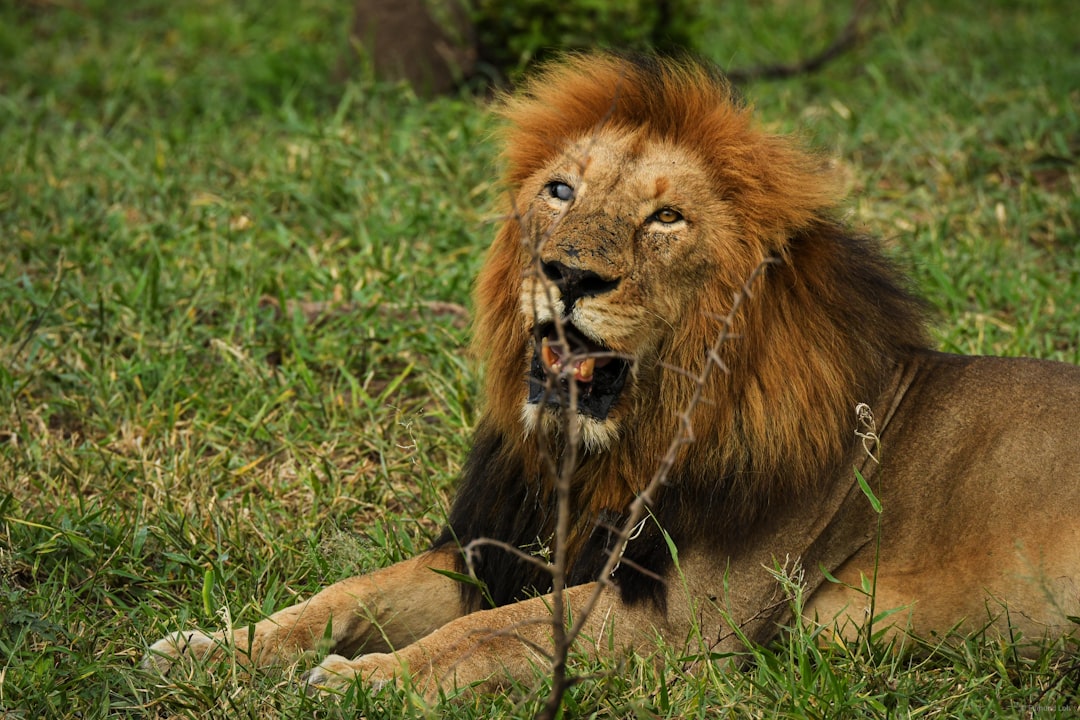
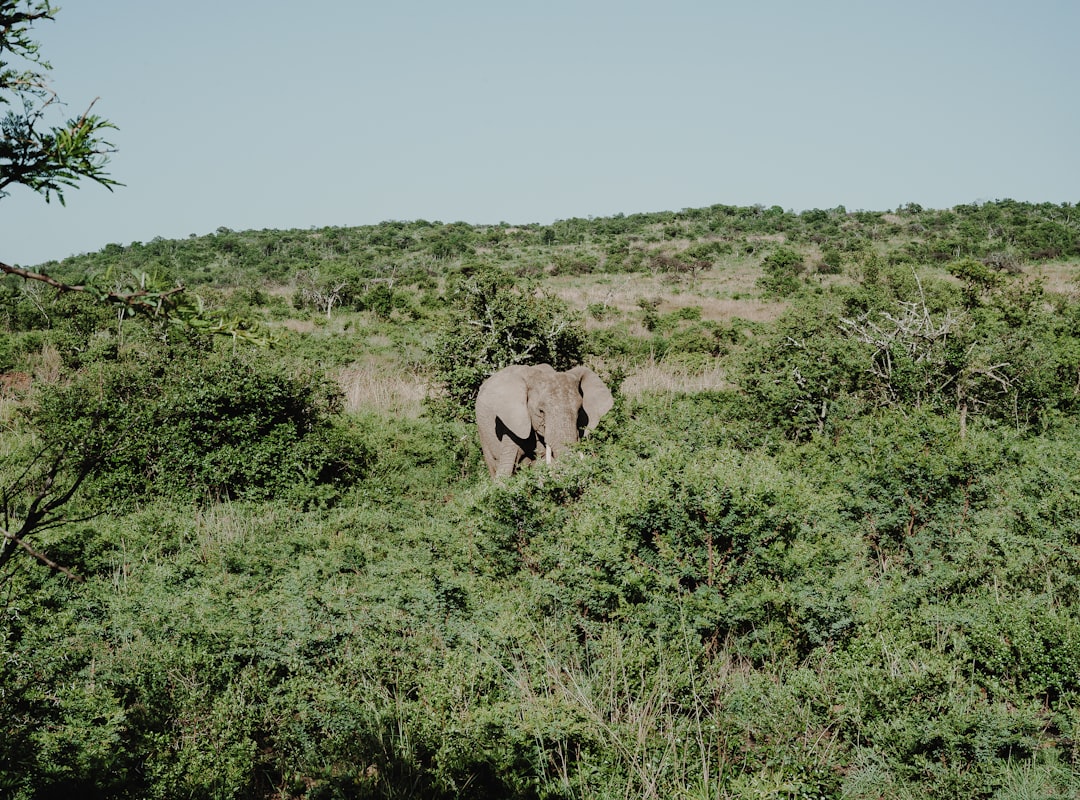
Tanzania's wildlife is wild. Lions, elephants, buffalo, and hippos cause more human deaths in Africa than any crime. The key rule: always follow your guide's instructions around wildlife.
- Never get out of the vehicle in a national park unless your guide explicitly says it is safe
- Do not lean out of windows or roof hatches towards animals — elephant charges are occasionally triggered by startled reactions
- At camps, do not walk alone at night — animals move freely through many lodges and camps
- Hippos are particularly dangerous near rivers at dusk and dawn — stay well back from riverbanks
- At crater floor picnic sites, baboons will steal food — keep packed lunches in the vehicle until you sit
Tanzania's professional safari guides are trained in wildlife behaviour and carry appropriate equipment. They understand when an approach is safe and when to retreat. Trust their judgement — they have been doing this for decades.
Common Tourist Scams in Tanzania
Tanzania has a well-documented set of tourist-targeting scams, primarily in Arusha (the main safari gateway city):
- "Safari tout" approach: Men near the Arusha clock tower offering last-minute safari deals. These almost always lead to inferior, overpriced, or fraudulent operators. Book your safari through a reputable operator in advance.
- Fake gemstones: Tanzania produces genuine tanzanite (found only in the Kilimanjaro region), but fake or low-quality stones sold as tanzanite are common from street vendors. Buy only from reputable jewellers with certificates.
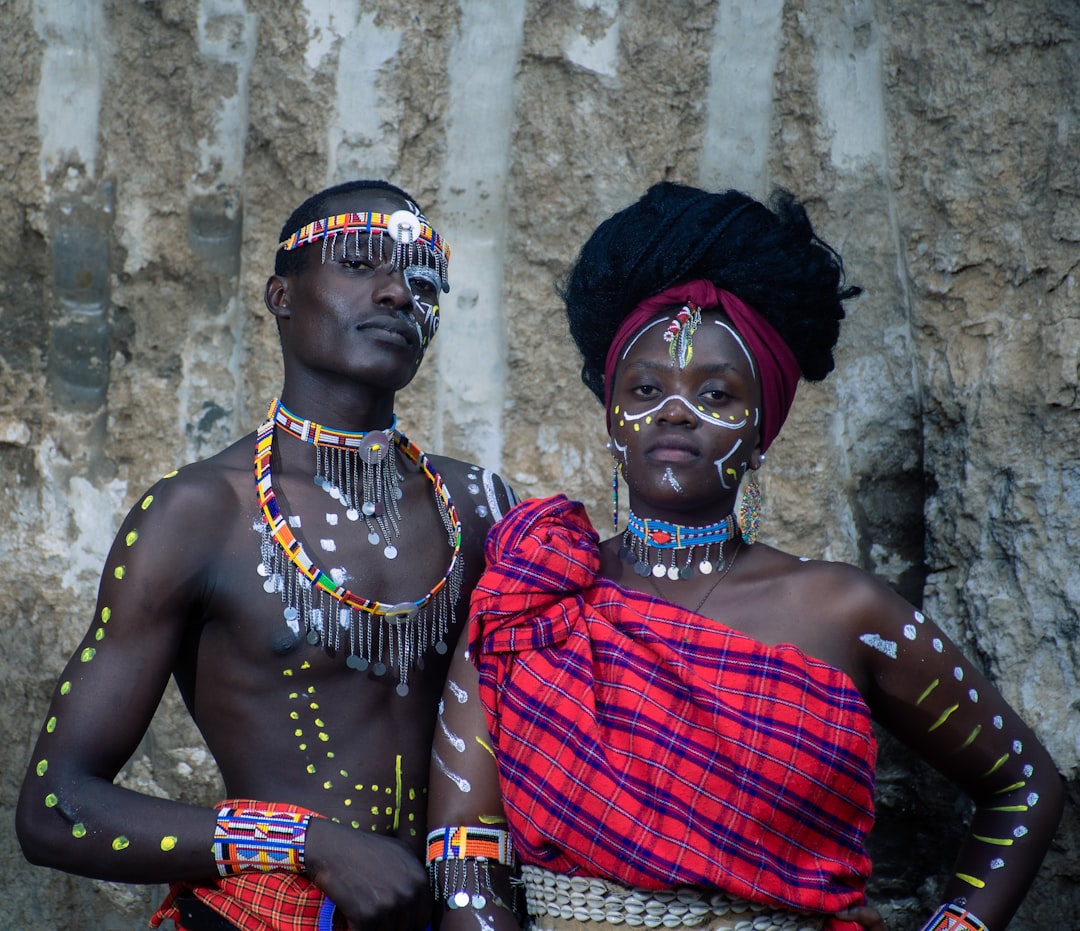
- Maasai village scam: Organised approaches from people claiming to represent a Maasai village cultural visit. Authentic cultural visits are arranged through lodges and reputable operators, not street approaches.
- Airport taxi overcharging: Use hotel-arranged or pre-booked transfers from JRO (Kilimanjaro International Airport) rather than accepting approaches in the arrivals hall.
None of these scams involve violence — they are financial. Awareness is the complete defence.
Political Stability and Civil Unrest
Tanzania has been politically stable for decades. The country operates under a multi-party democratic system. Presidential elections occur every five years and have been peaceful. Protests occasionally occur around election periods in Dar es Salaam but do not affect safari areas. Zanzibar has had occasional political unrest — check current FCDO/State Department advisories before travel if visiting during an election period.
The safari regions — Arusha, Karatu, Serengeti, Ngorongoro — are rural areas far removed from any political tension. They have their own security concerns (namely the natural wildlife) but political unrest is not one of them.
Comparing Tanzania to Other African Destinations
| Country | FCDO Rating | Crime Risk | Political Stability |
|---|---|---|---|
| Tanzania | Normal precautions (most areas) | Low-medium (petty) | Very stable |
| Kenya | Normal precautions (most areas) | Medium (Nairobi higher) | Generally stable |
| South Africa | High degree of caution | High (especially cities) | Stable |
| Botswana | Normal precautions | Low | Very stable |
| Rwanda | Normal precautions | Very low | Very stable |
| Zimbabwe | Normal precautions (most areas) | Low-medium | Generally stable |
Compared to South Africa — a popular safari alternative — Tanzania is substantially safer, particularly in urban areas. Johannesburg and Cape Town have significantly higher violent crime rates than Arusha or Dar es Salaam.
Practical Safety Tips for Tanzania Safari
- Get comprehensive travel insurance covering medical evacuation, safari activities, and trip cancellation
- Make digital and physical copies of your passport, visa, and insurance documents
- Share your itinerary with someone at home
- Have your guide's phone number and your safari company's emergency contact
- Exchange some cash to Tanzanian shillings (TZS) before leaving Arusha — US dollars are accepted at most safari lodges but small vendors need local currency
- Keep $50-100 USD in small denominations for tips (guides, camp staff) — tipping in Tanzania is customary and expected
The Verdict: Should You Go?
Yes. Tanzania is one of the safest long-haul safari destinations in Africa for organised travel. The wildlife viewing is extraordinary, the country is genuinely welcoming to tourists (tourism is Tanzania's largest industry), and the infrastructure for safari travel is excellent. Millions of visitors travel safely to Tanzania every year — the vast majority return home raving about it, not reporting incidents.
The risks that exist — petty theft, malaria, road safety — are all manageable with standard precautions. They should not deter travel. They should inform it.
Ready to plan your Tanzania safari? Contact our team in Arusha for honest advice on planning a safe, exceptional safari experience. We live and work here — we know this country.
¿Listo para Planificar tu Aventura en Tanzania?
Nuestros expertos locales de safari en Arusha crearán un itinerario personalizado solo para ti. Sin compromiso, consulta gratuita.
Obtén tu Presupuesto Gratuito