Tanzania Safari with Kids: The Complete Family Safari Planning Guide
Tanzania is excellent for families. Game drives are accessible to all ages; many lodges offer family suites and private vehicles. Recommended minimum age: 5 years for most parks. Ngorongoro Crater and Tarangire guarantee sightings, ideal for younger children. Best season: June–October when dry roads and concentrated wildlife make drives reliable and comfortable.
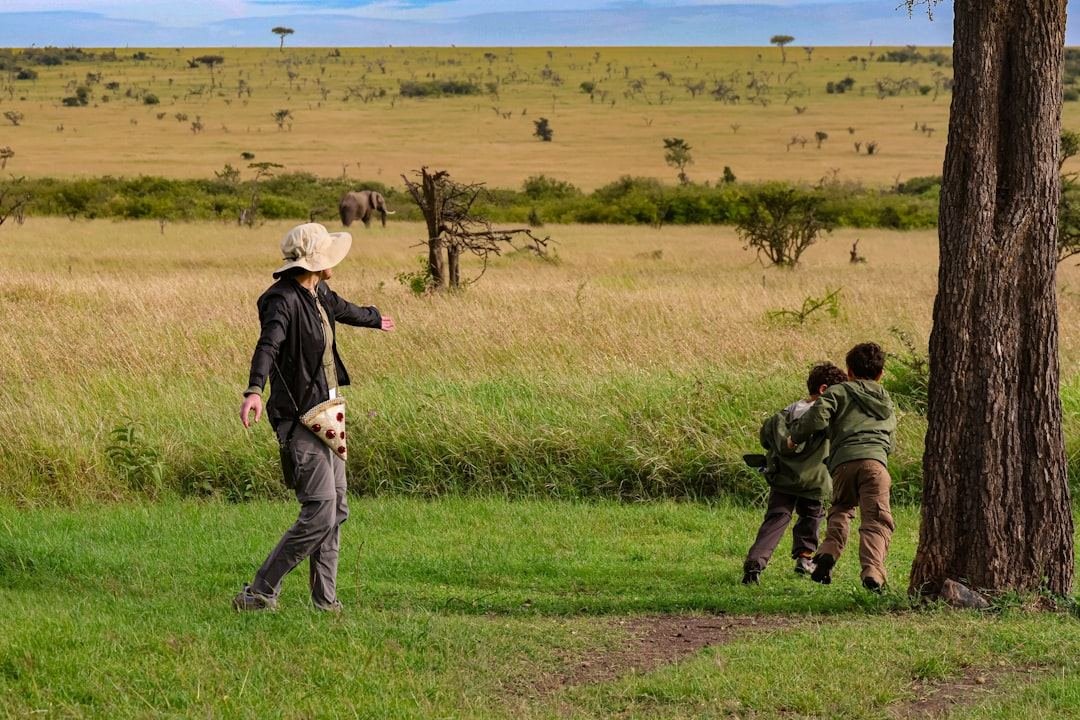
A Tanzania safari with children is one of the most transformative family experiences imaginable. Watching your child's eyes widen at their first elephant sighting, or hearing their laughter as a troop of baboons scrambles past the vehicle, creates memories that last a lifetime. But family safaris require careful planning — from choosing the right camps and destinations to understanding age policies, health precautions, and how to keep children engaged across long drives. This complete guide covers everything families need to know for a safe, memorable Tanzania safari in 2026.
Is Tanzania Suitable for Safari with Kids?
Absolutely — but with appropriate preparation and realistic expectations. Tanzania is well set up for family travel, with a growing number of lodges and camps that genuinely cater to younger guests rather than simply tolerating them. The key is choosing the right combination of parks, accommodation, and activities based on your children's ages and temperaments.
The Ngorongoro Crater, Tarangire, and the southern Serengeti are particularly well-suited to families because of the high density of wildlife, which means exciting sightings happen quickly and frequently — important for keeping younger children engaged. Long drives across the Serengeti in search of cheetah may test the patience of a seven-year-old; watching a hundred elephants drink from the Tarangire River will not.
Age Requirements & Policies
Understanding age restrictions before booking is essential, as policies vary significantly between properties and activity types.
Game Drive Age Policies
- Most lodges and camps: Accept children aged 5 and older for game drives
- Higher-end luxury camps: Often set the minimum age for game drives at 7 or even 8 years old, partly for safety reasons and partly to ensure other guests are not disturbed
- Some exclusive-use private camps: Will accept any age (including infants) if the entire camp is booked exclusively by one family — an excellent option for families with very young children
Bush Walk Age Policies
- Guided bush walks in Tanzania's national parks are generally restricted to guests aged 15 and over, sometimes 12+ at operator discretion
- Walking safaris on private conservancy land (adjacent to parks) may have more flexible policies — often 12+
Hot Air Balloon Age Policies
- Balloon operators in the Serengeti generally accept children aged 7 and over
- Children must be tall enough to see over the basket rim — check with the operator directly
Kilimanjaro Age Minimum
- Tanzania National Parks (TANAPA) sets a minimum age of 10 years old for Kilimanjaro climbs
- Most operators recommend 12–14 as a practical minimum for realistic summit attempts
Best Parks for Families
Ngorongoro Crater — Best for Youngest Children
Ngorongoro Crater is perhaps the single best park for families with young children (5–8 years old). The reason: wildlife density on the crater floor is extraordinary. Within minutes of descending into the crater, children will encounter enormous buffalo herds, lions, zebra, flamingos on the soda lake, and often black rhino. There is very little waiting — the wildlife comes to you. The compact circuit means shorter drives with frequent, dramatic sightings.
Tarangire National Park — Best for Elephant Lovers
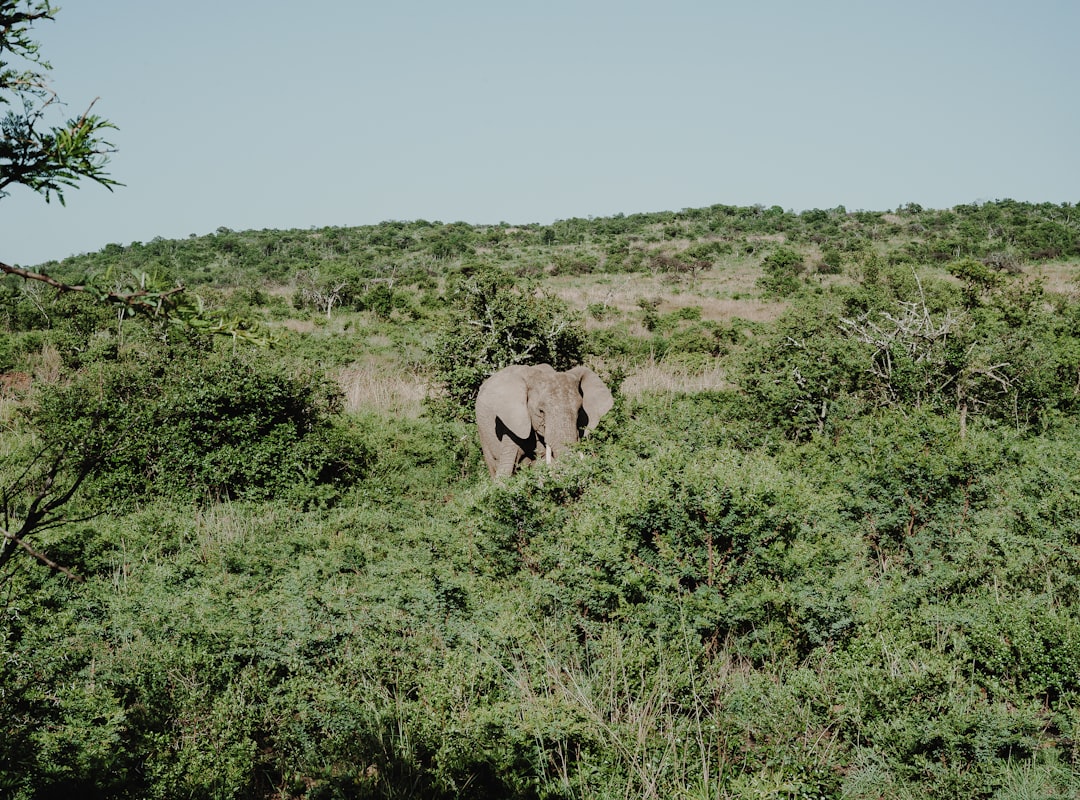
Children are almost universally captivated by elephants, and Tarangire's herds are in a class of their own. The park's combination of elephants, baobab trees, and bird life keeps children of all ages fascinated. The landscape is visually distinctive and memorable — important for younger children who may struggle to retain the identity of individual game drive experiences in more uniform terrain.
Serengeti National Park — Best Overall Safari Experience
For older children (8+) and teenagers, the Serengeti is transformative. The vast plains, the Great Migration if timing aligns, and the sheer drama of predator-prey interactions make the Serengeti the safari experience of a lifetime for children who can appreciate its scale. Plan for a minimum of three nights and use a fly-in itinerary to avoid very long road drives.
Family-Friendly Lodges & Camps
Serengeti
- Four Seasons Safari Lodge Serengeti: Outstanding family option with a large swimming pool (which children love), children's activities programs, and family suites. Accepts children of all ages. Located in central Serengeti near a waterhole frequented by elephants and other wildlife.
- Serengeti Serena Safari Lodge: Well-regarded mid-range option with family rooms, scenic pool, and a welcoming atmosphere for children.
- Legendary Serengeti Camp: Offers family tents suitable for parents with children aged 5+.
Ngorongoro
- Ngorongoro Serena Safari Lodge: Spacious family rooms, excellent food, a welcoming staff, and the rim location means wildlife can literally walk through the grounds. Excellent value for families.
- The Manor at Ngorongoro: A historic colonial farmhouse property offering a farm experience, horse riding for older children, and excellent food. Unique and deeply child-friendly.
Tarangire
- Tarangire Treetops: Children who stay in a room built into a baobab tree never forget it. The novelty factor alone makes this outstanding for families. Accepts children aged 7+.
- Tarangire Safari Lodge: Classic, reliable, family-friendly, with a beautiful pool and good food. A well-priced mid-range option that works well for families.
Child Discounts & Pricing Policies
Child discounts on Tanzania safaris vary significantly by property and operator, but general patterns apply:
- Children aged 2–11: Most camps charge 50–75% of the adult rate, including all park fees
- Children aged 12+: Generally charged at the full adult rate
- Infants under 2: Often free of charge at the accommodation level (though park fees still apply)
- Exclusive-use bookings: Many operators offer fixed-price exclusive-use camp bookings for families, which can represent excellent value when booking with 2+ adults and multiple children
Tanzania's park fees are charged per person per day regardless of age (infants may be exempt or charged a reduced rate — confirm with your operator). Park fees represent a significant portion of total safari cost, so accurate headcounts in your quote request are important.
Planning Activities for Children
Shorter Game Drives
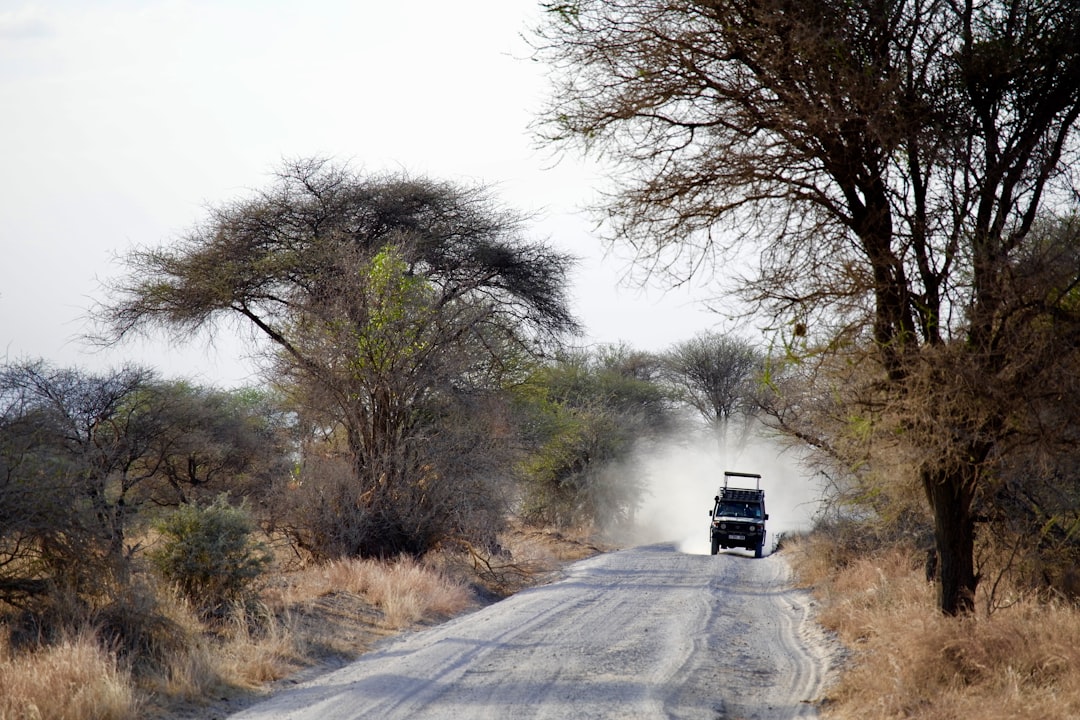
Standard game drives in Tanzania run 3–4 hours for a morning session and 3–4 hours for an afternoon session. For children under 8, consider shorter drives of 2–3 hours with a break for lunch or pool time at camp. A full day in the vehicle is rarely enjoyable for small children, but two shorter drives with a mid-day rest period works excellently.
Cultural Village Visits
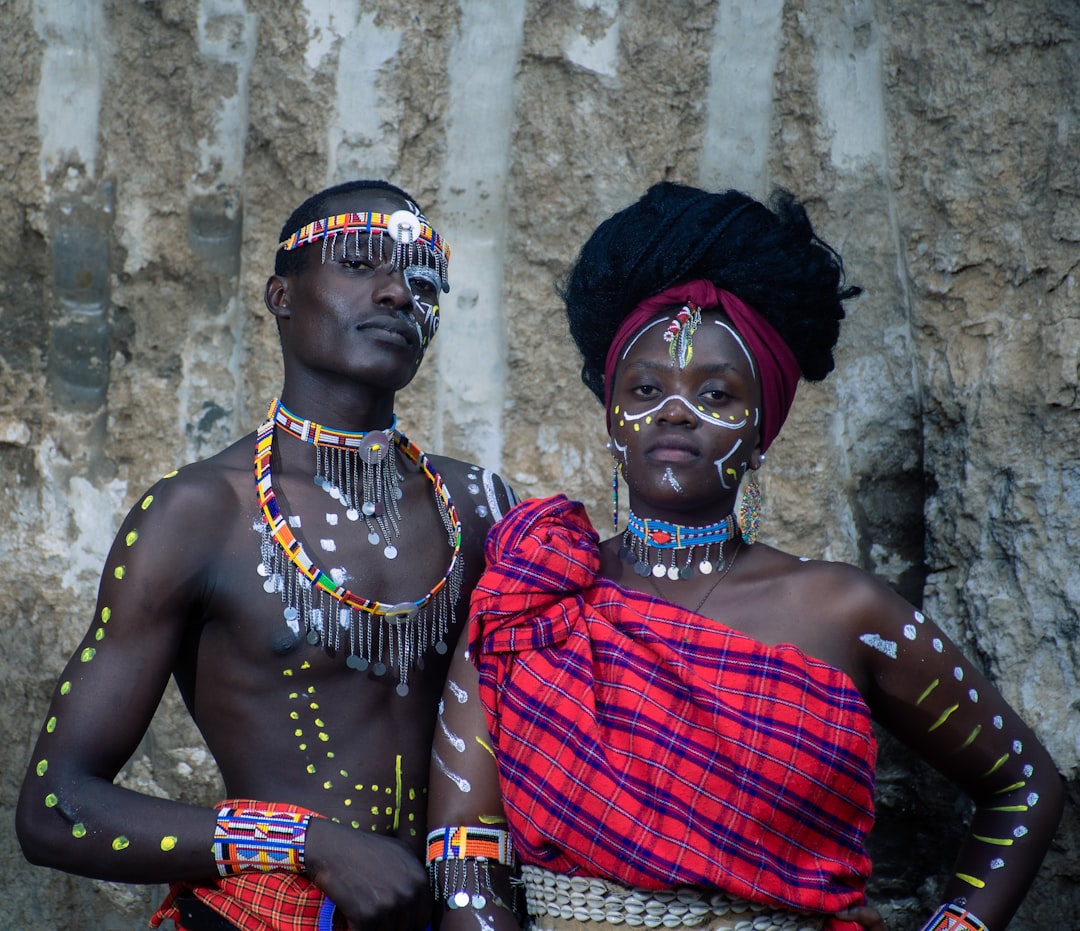
Maasai and Arusha cultural visits are excellent for children — the jumping, the music, the traditional dress, and the opportunity to interact respectfully with local communities makes for a powerful educational experience. Most northern circuit itineraries can incorporate a Maasai village visit near Lake Manyara or Ngorongoro.
Nature Walks & Bush Education
While full walking safaris have minimum age requirements, many lodges offer guided nature walks within their own grounds — tracking insects, identifying bird calls, and learning to read animal tracks. Children with a natural curiosity often find these walks even more engaging than game drives.
Zanzibar Beach Extension
Combining a Tanzania safari with a Zanzibar beach stay is the perfect family itinerary. After the intensity of game drives, children (and adults) benefit enormously from the transition to beach days, snorkeling, and the cultural richness of Stone Town. The short 45-minute flight between the northern circuit and Zanzibar makes the combination seamless. Read our complete Zanzibar Beach Guide for accommodation and activity recommendations.
Health & Safety for Children on Safari
Malaria Prevention
Tanzania's safari areas are malaria zones, and children are at higher risk than adults. Malaria prophylaxis is strongly recommended for all children visiting Tanzania. Consult a travel medicine physician 4–6 weeks before departure to discuss appropriate medication based on your child's age, weight, and health history. Common pediatric options include Malarone (atovaquone/proguanil) and mefloquine (Lariam), though the correct choice depends on age and medical history.
In addition to medication: use DEET-based insect repellent (age-appropriate formulations), ensure accommodations have mosquito nets, dress children in long sleeves and trousers at dusk and dawn, and use the mosquito coils or plug-in repellents provided by most camps.
Vaccinations
Recommended vaccinations for children traveling to Tanzania include:
- Yellow Fever (mandatory for entry if arriving from an endemic country; advised regardless)
- Typhoid
- Hepatitis A & B
- Rabies (strongly recommended for children who may interact with animals)
- Routine childhood vaccinations should be up to date (MMR, DPT, polio)
First Aid Kit for Families
Pack a comprehensive family first aid kit including: children's paracetamol and ibuprofen, oral rehydration salts, antiseptic wipes and cream, antihistamine (both oral and topical), tweezers (for thorns), and a digital thermometer. Most reputable lodges have basic first aid supplies and access to medical evacuation services, but being self-sufficient for minor issues is advisable in remote areas.
Sun Protection
The equatorial sun in Tanzania is intense, especially at altitude (Ngorongoro at 2,400m). Use SPF 50+ sunscreen on children, reapply every 2 hours, ensure wide-brimmed hats are worn on all game drives, and bring UV-protective clothing. Dehydration is also common — ensure children drink regularly throughout the day.
Best Months for Family Safaris
School holiday alignment matters enormously for family trip planning:
- July–August: The best combination of excellent dry-season wildlife viewing (peak game concentration), school summer holidays (Northern Hemisphere), and warm days. The main disadvantage is peak pricing.
- December–January: Christmas and New Year school holidays coincide with the calving season in southern Serengeti/Ndutu — spectacular for witnessing predator-prey dynamics in action. Weather is generally good (short dry spell in December).
- October: Shoulder season with lower prices, good weather, and wildlife still excellent. Works well for UK half-term and some European school breaks.
For a detailed look at all Tanzania seasons, see our comprehensive guide to the Best Time to Visit Tanzania for Safari.
Flying vs Driving Between Parks
For families with children, flying between parks is strongly recommended. A road drive from Arusha to the central Serengeti takes 7–8 hours on corrugated roads — an exhausting journey for adults, and nearly intolerable for young children. Flying between parks (Arusha → Tarangire → Ngorongoro → Serengeti) takes 30–60 minutes per leg and transforms the experience entirely.
Internal flights in Tanzania are operated by small propeller aircraft (typically 6–13 seats). Children are generally fascinated by these flights, which offer extraordinary aerial views of the landscape below. The small aircraft weight limits (typically 15kg of baggage) require packing light — a useful discipline for family travel.
The Educational Value of Safari for Children
A Tanzania safari is one of the richest educational experiences a child can have — covering ecology, conservation, geography, cultural studies, and biology in a vivid, real-world context that no classroom can replicate. Many returning families report that the safari was the catalyst for children developing lasting interests in wildlife, conservation science, or African studies. Going on safari as a child changes how you see the natural world for the rest of your life.
Pack field guides appropriate to your children's ages. The Usborne Wildlife Atlas of Africa works well for younger children; older children and teenagers appreciate the Kingdon Pocket Guide to African Mammals or a dedicated bird guide for East Africa.
Planning a family safari in Tanzania? iTanzania Safaris specialises in crafting family-specific itineraries that balance wildlife intensity with child-appropriate pacing, carefully vetted family-friendly accommodation, and local knowledge that only comes from being based in Arusha. Our team includes parents who have done the safari journey with their own children and understand exactly what works. Contact us today for a free, detailed family safari proposal — including honest recommendations on parks, camps, and timing for your family's specific ages and interests.
You may also want to explore our guide to Tanzania Safari Costs to understand what a family safari budget looks like at different quality levels.
Ready to Plan Your Tanzania Adventure?
Our local safari experts in Arusha will craft a personalized itinerary just for you. No obligation, free consultation.
Get Your Free Quote