Zanzibar Beach Holiday After Safari: The Perfect Tanzania Combination
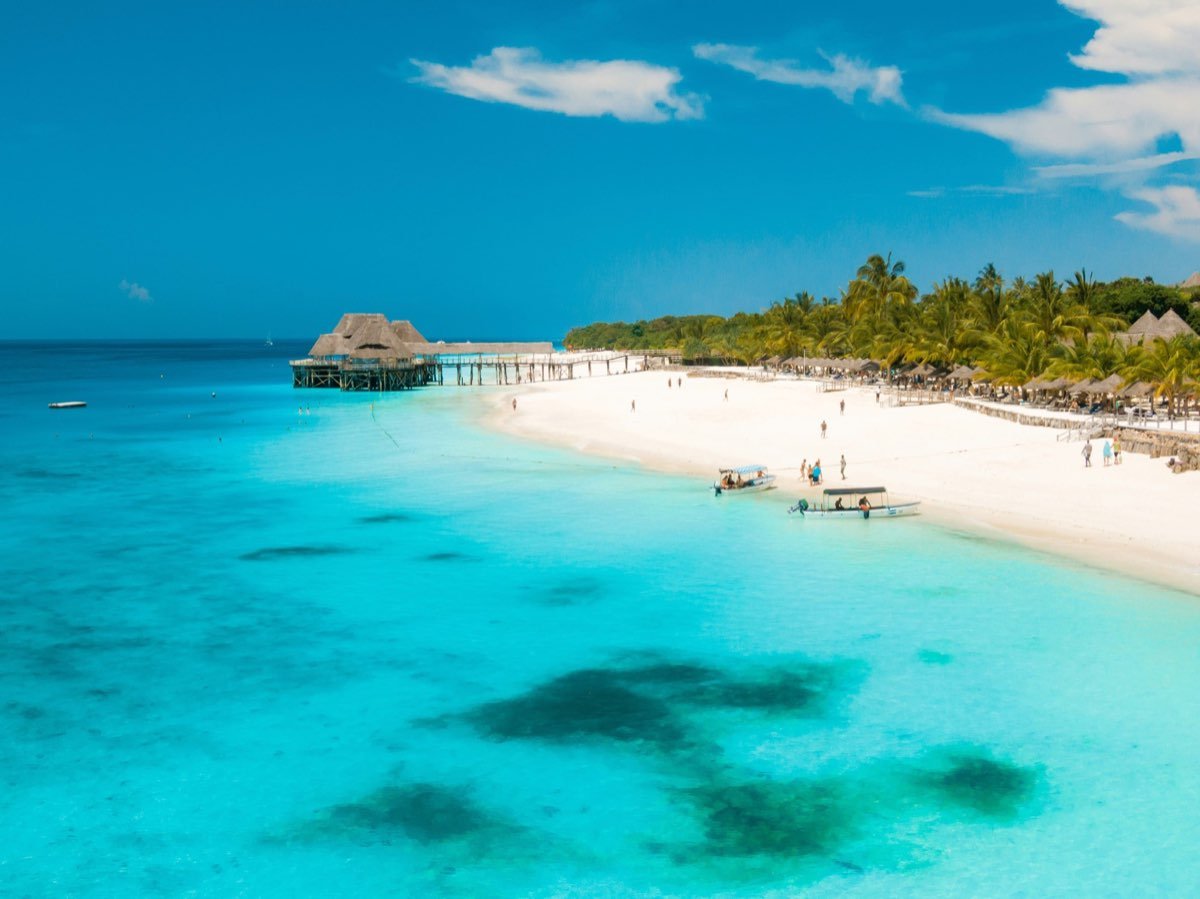
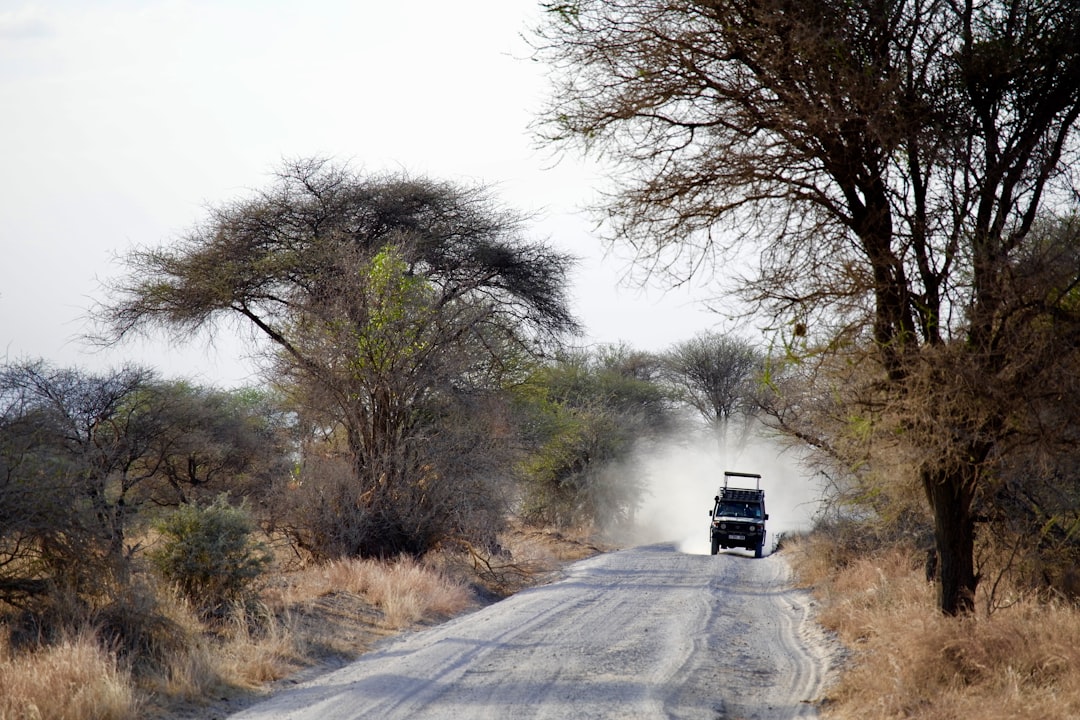
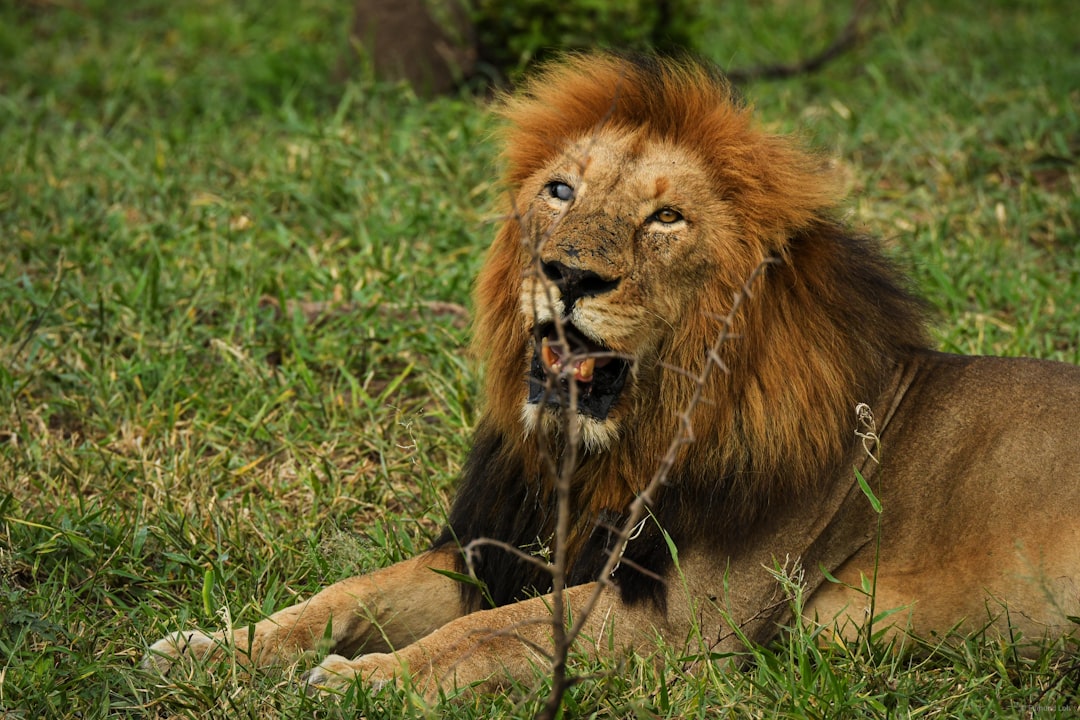
After days of early morning game drives and dusty bush roads, there is nothing quite like stepping off a short flight onto the white-sand beaches of Zanzibar. Combining a Tanzania mainland safari with a Zanzibar beach holiday is one of the most popular travel itineraries in East Africa, and for good reason — you get the thrill of the wild and the bliss of tropical paradise in a single trip.
Why Combine Safari and Zanzibar
A safari-beach combination offers the best of both worlds that Tanzania has to offer:
- Contrast: Transition from the savannah's raw energy to Indian Ocean tranquility
- Recovery: Beach days are perfect for resting after physically demanding safari schedules and early starts
- Diversity: Wildlife, culture, history, diving, and relaxation — all in one trip
- Convenience: Daily flights connect Arusha, the Serengeti, and Ngorongoro to Zanzibar (1-2 hour flight)
- Value: Combining both often works out cheaper than two separate trips due to shared logistics
Getting to Zanzibar from Safari
Several options connect your mainland safari to Zanzibar:
- Domestic flight from Arusha: 1.5-hour direct flight on carriers like Coastal Aviation, Auric Air, or Precision Air
- Bush flight from Serengeti: Some operators offer direct Serengeti-to-Zanzibar flights, bypassing Arusha entirely
- Flight from Kilimanjaro Airport: Multiple daily flights; a good option if ending safari in Arusha
- Ferry from Dar es Salaam: If traveling south, the Dar-Zanzibar ferry takes 1.5-2 hours
We typically recommend a domestic flight from Arusha or direct from the Serengeti for maximum convenience and minimum travel time.
Charter vs. Commercial Flights from Arusha
Understanding the difference matters for planning. A charter flight from Arusha Airport (ARK) to Zanzibar (ZNZ) takes approximately one hour and deposits you directly at the destination — no layovers, no baggage carousels shared with 200 strangers. Coastal Aviation and Air Excel both run scheduled charters on this route. Expect to pay $180–$280 per person depending on the season and booking window.
The commercial route via Dar es Salaam (DAR) on Precision Air or Air Tanzania typically adds two to three hours of total travel time once you factor in the layover, rebooking, and waiting at Julius Nyerere International. Transfers are rarely seamless. If you are ending your safari in the Serengeti or Ruaha, some operators can book you a direct bush-airstrip-to-Zanzibar connection with a single stop in Arusha for fuel — this saves the Kilimanjaro Airport transfer entirely. We arrange these connections regularly for our clients and it is by far the smoothest option.
Best Zanzibar Beaches
Nungwi Beach (North) — Best for Year-Round Swimming
Zanzibar's most famous beach, located at the island's northern tip. Nungwi offers consistently swimmable conditions with minimal tidal variation, stunning sunsets, and a lively atmosphere. The mix of luxury resorts, boutique hotels, and beach bars makes it versatile for different travel styles. The reef configuration here means the beach stays swimmable even at low tide — a significant practical advantage over the east coast. Most post-safari clients who want guaranteed swimming without worrying about tide schedules end up at Nungwi.
Kendwa Beach (Northwest) — Best for Year-Round Swimming with Fewer Crowds
Just south of Nungwi, Kendwa is slightly quieter while still offering excellent swimming conditions at all tides. The beach is wide and pristine, with a handful of quality resorts. The famous full-moon parties at Kendwa Rocks attract visitors from across the island but the rest of the month it is noticeably calmer than Nungwi. If you want the same tide-independent swimming with a less commercial atmosphere, Kendwa is our recommendation.
Paje Beach (Southeast) — Best for Kitesurfing
The kitesurfing capital of East Africa. Paje has a long, wide beach with consistent southeast trade winds from June to October and reliable northwest winds December to February, making it a year-round kite destination. The shallow lagoon at low tide creates ideal learning conditions. Note that swimming at Paje is tide-dependent — at low tide the water retreats well beyond the beach, leaving exposed sand flats. The village atmosphere is more local and laid-back compared to the north coast, and guesthouses range from basic to mid-range.
Jambiani Beach (Southeast) — Best for Budget and Quiet
The longest beach on Zanzibar with a strong local village presence. Seaweed farming is visible at low tide, giving an authentic cultural dimension that safari clients find genuinely interesting after a week in the bush. Budget-friendly guesthouses and a relaxed vibe attract long-stay travelers. Like Paje, swimming is tide-dependent. If you are watching costs after a luxury safari, Jambiani offers some of the best value accommodation on the island — small locally-run guesthouses with rooms from $40–80 per night.
Matemwe Beach (Northeast) — Best for Snorkeling
Quieter and more exclusive, Matemwe offers beautiful coral rag coastline and is the closest mainland departure point for snorkeling trips to Mnemba Atoll — one of the best marine sites in the Indian Ocean. Luxury boutique resorts line this coast. The reef fringing Matemwe itself is accessible at high tide with mask and fins directly from the beach. If marine life is your priority and you can afford the higher-end accommodation, Matemwe is where we point people.
Beyond the Beach: Activities in Zanzibar
Stone Town (UNESCO World Heritage Site)
Zanzibar's historical heart is a maze of narrow streets, ornately carved wooden doors, bustling markets, and centuries of layered history from Arab, Persian, Indian, and European traders. Stone Town was inscribed as a UNESCO World Heritage Site in 2000 in recognition of its outstanding universal value as a Swahili trading port. Key sights include the House of Wonders, the Old Fort, and the former slave market at the Anglican Cathedral. Most visitors spend a half to full day here on their first or last day in Zanzibar.
What to See in Stone Town
- Palace Museum (Beit el-Sahel): The former palace of the Sultans of Zanzibar, converted into a museum displaying furniture, clothing, and artifacts from the sultanate era. Entry costs around $3. Gives you a clear picture of the island's 19th-century Arab rulers.
- Forodhani Gardens: The waterfront gardens along the seafront promenade. By day it is a pleasant place to sit. By night it transforms into a street food market where vendors sell Zanzibar mix (a spiced chickpea dish), grilled seafood, sugarcane juice, and Zanzibar pizza — a local street food staple. Go at sunset and eat dinner here.
- House of Wonders (Beit el-Ajaib): The largest building in Stone Town and the first in Zanzibar to have electricity and an elevator, built in 1883 as a ceremonial palace. Currently closed for restoration but still worth seeing from the exterior — its colonnaded facade is one of the most photographed in East Africa.
- Anglican Cathedral and Former Slave Market: Built in 1877 on the site of the last open slave market in the world, which closed in 1873. The slave chambers underground remain intact. This is the single most historically significant and sobering site in Zanzibar — do not skip it.
- Hurumzi and Shangani districts: The two main residential neighborhoods within Stone Town, where you will find the most elaborately carved Zanzibari doors. The doors are a synthesis of Indian, Arab, and Swahili craftsmanship and no two are identical.
Suggested Stone Town Half-Day Itinerary
- 9:00am: Start at Forodhani Gardens, walk north along the waterfront to the Old Fort
- 9:30am: Old Fort (Ngome Kongwe) — free entry, browse the craft market inside
- 10:00am: Walk into the Shangani district, look for carved doors on Kenyatta Road
- 10:30am: Palace Museum — allow 45 minutes
- 11:30am: Walk to the Anglican Cathedral and slave market — allow one hour
- 1:00pm: Lunch at one of the Stone Town rooftop restaurants (Emerson Spice or The Terrace have good views)
- 2:30pm: Spice tour departure from Stone Town (typically 2.5 hours)
Spice Tours
Zanzibar is called the Spice Island for a reason — by the 19th century it was the world's largest producer of cloves, and spice plantations still cover significant parts of the island's interior. A half-day spice tour takes you to working farms in the Kizimbani or Kindichi area, where guides walk you through cloves, vanilla, cinnamon, cardamom, nutmeg, black pepper, turmeric, and lemongrass growing in their natural state. The experience includes tasting fresh tropical fruit — jackfruit, pineapple, star fruit, and passion fruit are typically on offer depending on season. Tours cost $25–35 per person including transport from Stone Town and are well worth the time. Most operators combine the spice tour with a Prison Island visit (giant tortoises, 45 minutes offshore by boat).
Snorkeling and Diving at Mnemba Atoll
The waters around Zanzibar and its smaller islands offer world-class marine experiences:
- Mnemba Atoll: A protected marine reserve off the northeast coast that represents the best diving Zanzibar offers. The atoll is a private island owned by &Beyond, but the marine reserve surrounding it is accessible by dive operators. Expect reef sharks, green and hawksbill turtles, dolphins, moray eels, and dense schools of tropical fish. Visibility commonly reaches 20–30 meters during the best months. Dive costs range from $80 to $120 per person for a two-tank dive including boat and equipment. The best conditions fall between November and February (calm seas, peak visibility) and June to October (dry season, excellent visibility). March, April, and May bring stronger currents and reduced visibility — Mnemba is still diveable but less ideal.
- Chumbe Island: Award-winning marine park with some of the best-preserved coral in the western Indian Ocean
- Tumbatu Island: Less-visited diving with excellent visibility and diverse marine life
Dolphin Tours at Kizimkazi — Ethical vs. Unethical Operators
Kizimkazi on the southern tip of Zanzibar is home to a semi-resident pod of spinner and bottlenose dolphins. Boat tours operate most mornings to find and observe them, and this is a popular add-on for safari clients. However, the quality and ethics of these tours vary dramatically and it is worth knowing what to look for before booking.
Signs of an ethical operator:
- Boats maintain a minimum distance of 50 meters from dolphin pods and do not encircle or chase them
- The operator limits guest numbers (maximum 6–8 per boat is ideal)
- Snorkelers enter the water calmly from the side of the boat, not by jumping in directly on top of the pod
- The guide can explain basic dolphin behavior and actively stops guests from touching animals
- No operator can guarantee dolphin sightings — be cautious of anyone who promises close interaction
Red flags: Multiple crowded boats converging on the same pod from all directions, operators allowing guests to swim directly toward dolphins, or guides actively driving boats between dolphins to herd them toward snorkelers. These practices cause genuine stress to the animals and in some cases the resident dolphins are showing signs of behavioral change due to excessive harassment. We only work with Kizimkazi operators who have signed up to the ZEECO voluntary code of conduct for marine tourism.
Dolphin tours cost approximately $25–40 per person and typically take three to four hours including the boat ride.
Jozani Forest
Home to the endemic red colobus monkey found nowhere else on Earth. This small but precious forest also features mangrove boardwalks and a variety of bird species.
Recommended Safari + Zanzibar Itineraries
7-Day Classic Combo
- Days 1-4: Northern Circuit safari (Tarangire, Serengeti, Ngorongoro)
- Day 5: Fly to Zanzibar, Stone Town exploration
- Days 6-7: Beach relaxation at Nungwi or Kendwa
10-Day Complete Tanzania
- Days 1-5: Extended safari (Tarangire, Serengeti with 2 nights, Ngorongoro)
- Day 6: Fly to Zanzibar, Stone Town and spice tour
- Days 7-9: Beach time, diving/snorkeling at Mnemba, cultural activities
- Day 10: Departure from Zanzibar
14-Day Ultimate Adventure
- Days 1-7: Kilimanjaro climb (Lemosho or Machame route)
- Day 8: Rest day in Arusha
- Days 9-11: Safari (Serengeti and Ngorongoro)
- Days 12-14: Zanzibar beach recovery
Best Time to Visit Zanzibar
Zanzibar has a tropical climate with two rainy seasons:
- Best weather: June to October (dry, warm) and December to February (hot, dry)
- Heavy rains: April and May — many beach resorts offer steep discounts
- Short rains: November — brief afternoon showers, still pleasant
- Water temperature: 25-29°C year-round — always swimmable
For the best overall Tanzania experience, the dry season (June-October) aligns the ideal safari conditions with perfect Zanzibar beach weather.
Month-by-Month Breakdown
- June–October: The long dry season. This is the best time for both the safari (great game viewing, no mud on roads) and Zanzibar (cool sea breeze, low humidity, excellent diving visibility at Mnemba). Temperatures in Zanzibar sit around 25–28°C during the day. Water is calm on the west and north coasts. Most popular and most expensive time to travel — book accommodation three to six months in advance for July and August.
- January–February: Hot and dry. Temperatures reach 32–34°C. The ocean is warm and calm. This is a quieter period with lower prices compared to July–August, and it overlaps with the calving season in the Serengeti (excellent for predator action). Mnemba diving is at its peak visibility — up to 30 meters in ideal conditions.
- December: Short dry window between the two rain seasons. Can be pleasant, though the northeast monsoon brings some choppiness to the east coast. Christmas and New Year are heavily booked — lodge prices spike to peak or above-peak rates.
- March: Transitional month. Can still be reasonable early in the month but the long rains begin late March or early April. Humidity builds. Viable for travel but not ideal.
- April–May: The long rains (masika). Heavy daily rainfall, many beach resorts partially close or reduce staffing. Diving conditions deteriorate. This is the one period we actively advise clients to avoid for Zanzibar. If you must travel April–May, Stone Town is more tolerable than the beaches, and discounts of 30–50% are common on accommodation.
- November: Short rains (vuli). Brief afternoon showers, rarely all-day rain. Still pleasant and noticeably cheaper than July–August. Worth considering for price-conscious travelers.
Suggested 3–4 Night Zanzibar Itinerary After Safari
Most of our safari clients add three or four nights in Zanzibar. Here is the itinerary structure that works best based on what we see with repeat bookings:
3 Nights (Tight but Worthwhile)
- Day 1 — Arrival + Stone Town: Fly in from Arusha. Check in to a Stone Town hotel. Afternoon walking tour of the main sites. Dinner at Forodhani Gardens street market.
- Day 2 — Spice Tour + Transfer to Beach: Morning spice tour and Prison Island visit. Lunch in Stone Town. Afternoon transfer to your beach hotel (Nungwi or Kendwa for most clients — 75 minutes by road).
- Day 3 — Full Beach Day + Optional Snorkeling: Morning boat trip to Mnemba Atoll for snorkeling ($60–80 per person for a shared trip). Afternoon free on the beach. Sundowners at the resort.
- Day 4 — Departure: Morning swim, late checkout, transfer to Zanzibar Airport.
4 Nights (Relaxed and Comprehensive)
- Day 1 — Arrival + Stone Town: As above. Full Stone Town afternoon including Anglican Cathedral.
- Day 2 — Spice Tour + Transfer to Beach: As above.
- Day 3 — Marine Activity Day: Full-day private snorkeling charter to Mnemba Atoll, Tumbatu, or a sandbank. Return by 4pm. Rest of day at leisure.
- Day 4 — Kizimkazi Dolphin Tour or Full Rest Day: Morning dolphin boat at Kizimkazi ($35 per person). Afternoon back at the beach. Last evening dinner at a good resort restaurant.
- Day 5 — Departure.
Clients who try to squeeze Zanzibar into two nights almost always wish they had booked more time. Three nights is the workable minimum; four nights is comfortable.
Frequently Asked Questions: Zanzibar After Safari
- Do I need a separate visa for Zanzibar?
- No. Zanzibar is part of Tanzania and your Tanzania visa covers entry to the island. However, immigration officials at Zanzibar Airport do check passports and your visa should be valid. Yellow fever certificates are also routinely checked here even if you flew in from the mainland, so carry your yellow card.
- How long should I spend in Zanzibar after a safari?
- Three nights is the minimum that allows Stone Town, a spice tour, and at least one full day on the beach. Four nights is better. If you have been on a demanding 7–10 day safari, your body will want the extra day. We rarely book clients for fewer than three nights.
- Which beach is best for someone who just wants to swim and relax?
- Nungwi or Kendwa on the north coast. Both beaches are swimmable at all tides because the reef lies further offshore. The east coast beaches (Paje, Jambiani) have shallow lagoons that drain significantly at low tide — great for kitesurfing, less convenient for casual swimming.
- Is Mnemba Atoll worth the extra cost for snorkeling?
- Yes, if you have not dived or snorkeled in the tropics before. The protected marine reserve around Mnemba has been recovering since the late 1990s and the coral health and fish density are noticeably better than most accessible house reefs. If you have already done extensive reef snorkeling in places like the Maldives or Great Barrier Reef, the difference is less dramatic but still good.
- Can I fly directly from the Serengeti to Zanzibar?
- Yes. Coastal Aviation and Air Excel operate scheduled connections from Serengeti airstrips (Seronera, Grumeti, Kogatende) to Zanzibar with a fuel stop in Arusha. Total flight time is typically two to two and a half hours. This is the most efficient way to transition from the Serengeti to the beach and is what we book for most of our combined safari-Zanzibar packages. The routing is more expensive than a commercial flight via Dar but saves three to four hours of total travel time.
Plan Your Safari-Beach Combination
As a local operator, we handle the entire logistics of combining mainland safaris with Zanzibar — from game drives in the Serengeti to booking your beach resort and arranging domestic flights. Everything is seamlessly coordinated so you can focus on enjoying the experience.
Browse our Zanzibar packages or contact our team to design your perfect safari-beach itinerary.
Ready to Plan Your Tanzania Adventure?
Our local safari experts in Arusha will craft a personalized itinerary just for you. No obligation, free consultation.
Get Your Free Quote