Tanzania Safari Packing List 2026: Essential Gear & Clothing Guide
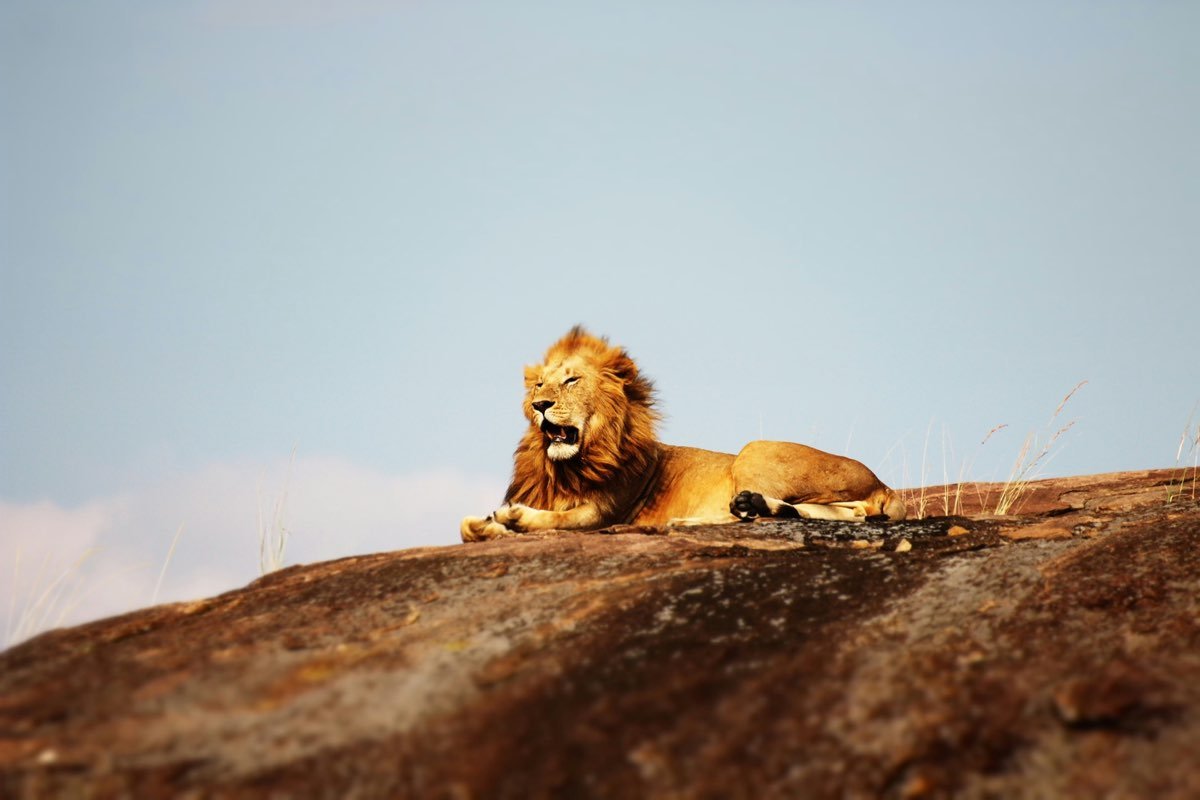
Packing for a Tanzania safari requires more thought than a typical vacation. You will encounter dusty bush roads, intense equatorial sun, cool highland mornings, and possibly tropical rain — sometimes all in the same day. This expert-curated packing list ensures you have everything you need without overpacking for your East African adventure.
Clothing Essentials: What to Wear on Safari
Safari clothing should be neutral-colored, lightweight, breathable, and quick-drying. Avoid bright whites (they attract tsetse flies and get dirty quickly) and dark navy or black (they absorb heat and also attract tsetse flies).
Recommended clothing:
- 3-4 lightweight shirts/tops in khaki, olive, tan, or sage green. Long sleeves offer sun and insect protection.
- 2-3 pairs of safari trousers — zip-off convertible pants are ideal for versatility
- 1 warm fleece or jacket — mornings on the Ngorongoro Crater rim (2,235m altitude) can be genuinely cold, as low as 5°C
- 1 rain jacket — lightweight and packable, essential during green season
- 1 wide-brimmed hat — critical for sun protection during open-roof game drives
- Comfortable walking shoes — closed-toe, broken-in, for nature walks and camp environments
- Sandals or flip-flops — for relaxing at your lodge or camp
- Warm socks and sleepwear — highland camps can be cool at night
- Swimwear — many lodges have swimming pools
Important: Domestic flight luggage allowances in Tanzania are typically 15-20kg in soft-sided bags (no hard suitcases on small planes). Pack light and practical.
Binoculars
Binoculars are the piece of safari gear most clients underinvest in, and it consistently shows in the field. A poor pair makes it difficult to distinguish species or read animal behavior at distance — things your guide is narrating in real time. Here is what the numbers mean and what to bring:
- 8x42 — the minimum for safari: The "8x" refers to magnification; "42" is the objective lens diameter in millimeters. An 8x42 binocular is bright, has a wide field of view, and is stable enough to use hand-held without image shake. This is the practical minimum for satisfying wildlife viewing.
- 10x42 — the most versatile option: Higher magnification with the same lens diameter. Slightly narrower field of view and marginally more sensitive to hand shake, but the extra magnification is genuinely useful for reading distant predators and picking out small birds in canopy. This is what we recommend for most adult travelers who want to invest once and not regret it. Swarovski EL 10x42, Zeiss Victory SF 10x42, and Nikon Monarch 7 10x42 are all excellent options at different price points.
- 10x50 — for dedicated birders: The larger 50mm objective lens gathers more light, making these better in low-light conditions (early morning game drives, dusk). The trade-off is weight and bulk. If birds are a primary reason for your trip, the 10x50 is worth it. For generalist wildlife viewing, the 10x42 is more practical.
- Avoid: Zoom binoculars ("8-24x" style), compact 8x21 units, and anything described as "travel binoculars" under $100. These typically have poor edge-to-edge clarity and weak low-light performance — exactly the conditions safari requires.
We keep a small selection of Nikon and Leica binoculars in our Arusha office for clients who forget theirs. Ask us when booking if you need to borrow a pair.
Camera and Photography Gear
Tanzania offers some of the best wildlife photography opportunities in the world. Here is what we recommend:
- Camera body: DSLR or mirrorless with good autofocus performance. Modern mirrorless bodies (Sony A7 series, Nikon Z series, Canon R series) have animal-eye autofocus that is genuinely transformative for moving wildlife — if you are buying a camera for this trip, prioritize this feature.
- Telephoto zoom lens — 300mm minimum, 500mm ideal: A 300mm lens gets you usable images of lions and elephants at comfortable vehicle distances. For birds — including large raptors like martial eagles and secretary birds — 500mm or longer is the practical threshold for frame-filling shots. The Canon 100-500mm, Nikon 200-500mm f/5.6, and Sony 200-600mm are all strong options. If you cannot bring a long prime, a 100-400mm zoom is a reasonable compromise that doubles as a portrait lens around camp.
- Wide-angle lens: For landscapes, starscapes, and camp/lodge shots
- Bean bag for vehicle window: This is not optional if you are shooting with a long lens. Placing the bean bag on the window frame of the Land Cruiser and resting your lens on it eliminates vehicle vibration and gives you stability equivalent to a tripod at 500mm. Fill it with dried beans or rice from a local market when you arrive in Arusha. A half-full bag (roughly 500g of filling) is the most versatile weight. We provide beans for free at our office.
- Dust protection: Lens cloths are essential — carry at least four. The Serengeti generates fine volcanic dust that settles on front elements within minutes of opening a window. A silicone blower pear is useful for sensor dust. Zip-lock bags work as cheap lens storage when not shooting. A camera raincoat or waterproof bag is worth having during green season.
- Extra batteries: Bring at least 2-3 spares. Charging may be limited at bush camps.
- Memory cards: 128GB+ recommended. You will shoot thousands of photos.
Even if you are shooting on a smartphone, modern phones with zoom lenses can capture excellent safari images. A small phone tripod adapter and a pocket binocular can significantly improve your results.
Medical Kit
Safari camps and lodges at reputable operators all carry a first aid kit, and a medevac-capable helicopter can reach most parts of the Northern Circuit within 60–90 minutes. That said, having your own supplies for common issues means not interrupting a game drive for a blister or a stomach upset. Pack the following:
- Prescription antimalarials: Malarone, Doxycycline, or Mefloquine as prescribed by your travel health physician. Bring more tablets than you need — if you experience a delay in Arusha, running out of antimalarials a week before the end of your trip is an easily avoidable problem. See our Tanzania health requirements guide for a full comparison of antimalarial options.
- DEET insect repellent at 50% or higher concentration: This is the standard for serious malaria-endemic environments. Products like Sawyer Picaridin 20% or DEET 50%+ (Repel 100, Ben's 100) are consistently effective. Lower concentrations (15–30% DEET) provide shorter protection windows — you will need to reapply more frequently, which most people forget to do during long game drives. Apply to all exposed skin before dusk and again if you are outdoors past 9pm.
- Antihistamine: Both oral (Loratadine or Cetirizine) and topical (hydrocortisone cream). Insect bites that are scratched can become infected quickly in humid conditions. A topical antihistamine reduces the urge to scratch.
- Imodium (Loperamide): Standard traveler's diarrhea management. One tablet reduces gut motility within 30–60 minutes — useful for a long transfer day when bathroom stops are not guaranteed. Do not use Imodium if you have blood in your stool or a high fever — see a doctor instead.
- Blister plasters (hydrocolloid type): Compeed or equivalent. If you are doing nature walks, walking safaris in Ruaha or Selous, or starting a Kilimanjaro climb, blisters are a real risk. Hydrocolloid plasters (not fabric plasters) form a moist healing environment and stay on through sweat and dust. Carry at least six in different sizes.
- Electrolyte sachets: Oral rehydration salts (ORS) in individual sachets. Dehydration is common on long game drives even in cooler months because the wind and low humidity are deceptive — you lose fluids without feeling hot. Mix one sachet with 500ml of safe water and drink when you notice a headache developing. We carry water in the vehicle at all times but electrolytes are your responsibility to bring.
- Pain relievers: Ibuprofen and paracetamol. Both have their uses — ibuprofen for inflammation-related pain (joint soreness from bumpy roads, headaches), paracetamol as a fever reducer.
- Antiseptic wipes and small wound dressings: Any cut sustained in the bush should be cleaned immediately. Bush dust carries bacteria and even small wounds can become infected within 24 hours in humid conditions.
- Hand sanitizer — useful on game drives when hand-washing is not available
- Sunscreen — SPF 50+. The equatorial sun is intense, especially at altitude.
- Lip balm with SPF — often overlooked but essential
Documents Checklist
Keep physical copies of all critical documents separate from your originals — one set in your hand luggage and one in your main bag:
- Passport: Valid for at least 6 months beyond your travel dates with at least 2 blank pages. Check the expiry date now — many travelers have been turned around at check-in for passports that expire less than six months after arrival.
- Tanzania visa (e-visa approval letter or visa on arrival receipt): Print two copies of your e-visa approval letter. Immigration officers scan the QR code on the printed document. A phone screen is not always accepted.
- Yellow fever certificate (yellow card): The physical International Certificate of Vaccination. Zanzibar Airport routinely checks these even for travelers arriving from mainland Tanzania. Carry it with your passport, not buried in your main bag.
- Travel insurance documents: Print your policy summary showing your policy number, emergency phone number, and the fact that medical evacuation is included. If you need to activate a medevac from the Serengeti, you will not have reliable internet to look this up. Your guide also needs the policy number to make the call on your behalf if you are incapacitated. Medical evacuation from the Serengeti to a hospital in Nairobi or Arusha costs $8,000–15,000 without insurance coverage.
- TANAPA permit confirmation (if pre-booked): The Tanzania National Parks Authority (TANAPA) issues park permits at the gate, but some operators pre-book these for peak season travel. If your operator has pre-booked your Serengeti or Ngorongoro permits, carry a printed copy — gate staff sometimes ask for the booking reference.
- Emergency contact list: A printed list with your safari operator's emergency number (we provide a 24-hour number), your travel insurer's emergency line, your country's embassy in Tanzania, and a family contact at home. Keep this in your day bag, not your suitcase.
- Printed copies of all bookings: Hotel confirmations, safari itinerary, flight tickets. The Serengeti and Ngorongoro have no cell signal — a printed itinerary is essential.
Money and Payments
Tanzania's payment infrastructure is more variable than most travelers expect. Here is the practical reality from someone operating on the ground in Arusha:
- USD cash is essential: Bring US dollar notes in denominations of $1, $5, $10, and $20 for tips and small purchases. Notes must be crisp and dated 2006 or later — banks and money changers routinely reject older or damaged bills. Tips are customarily paid in USD: guide tips typically $15–25 per vehicle per day; camp staff $5–10 per guest per day; bush chef tips $5–10 per day. Budget approximately $100–150 in small USD for tips on a 7-day safari. Do not rely on card terminals for tips — they are rarely available and the connection is unreliable.
- Major lodges accept credit cards: Most mid-range and luxury lodges and tented camps accept Visa and Mastercard for final accommodation bills. American Express is less reliable. Have your card available but do not count on it working at every property — internet connections drop, POS machines fail, and a few smaller camps are cash-only for on-site purchases (drinks, souvenirs).
- ATMs are unreliable outside Arusha: There are no ATMs in the Serengeti, Ngorongoro, Tarangire, or any other national park. Arusha town has functional ATMs (CRDB, NMB, Stanbic, and Absa all have reliable machines) but they dispense Tanzanian shillings, not USD. Withdraw the shillings you need for Arusha purchases and handle USD needs before you leave home. Do not plan to get USD cash from a Tanzanian ATM.
- Currency exchange: The best rates in Arusha are at licensed forex bureaux (not hotels). NMB Bank and Stanbic also offer competitive rates. Exchange your USD to Tanzanian shillings only for local purchases — most major safari costs are denominated in USD.
What NOT to Bring
The following items regularly cause problems and are better left at home:
- Camouflage clothing of any kind: This is illegal for civilians in Tanzania. Military-pattern clothing — including camouflage trousers, jackets, hats, and bags — is prohibited under Tanzanian law. Immigration and security officials take this seriously. Olive, khaki, tan, and sage green are fine. Any actual camouflage print is not. We have seen clients have bags searched at Kilimanjaro Airport for this.
- Heavy perfume or cologne: Strongly scented products attract insects, including tsetse flies and biting midges. Safari lodges in wildlife areas often discourage fragrance entirely. A light, unscented deodorant is preferable. This is not about being polite — it is about not attracting insects to yourself during a game drive.
- White or very light-colored clothing for game drives: White shows dust within 20 minutes of leaving camp in dry season conditions. More practically, white and other very light colors attract tsetse flies, which deliver a sharp bite and are vectors for trypanosomiasis (sleeping sickness) in some areas of Tanzania. Khaki, olive, and tan are the practical alternatives — not because they are fashionable for safari, but because they work.
- Unnecessary valuables: Leave expensive jewelry, watches, and non-essential electronics at home. Safari camps have room safes, but multiple days of dusty roads, open vehicles, and outdoor activities create regular opportunities for loss or damage. Bring what you need and nothing more.
- Hard-sided suitcases: Most bush charter flights operating within Tanzania have strict baggage policies: 15kg hold luggage (soft bag) plus 5kg hand luggage. Hard-sided suitcases take up excess space in small aircraft cargo holds and are routinely refused or split between flights. Coastal Aviation and Air Excel both enforce these limits strictly. Use a soft duffel bag — Eagle Creek, Patagonia Black Hole, and Sea to Summit are popular options that compress when partially full.
Bush Charter Weight Limits — This Is Strictly Enforced
If your itinerary includes any bush flights — Arusha to Serengeti, Serengeti to Ngorongoro, Ngorongoro to Zanzibar, or any similar routing — pay close attention to the following. On most Coastal Aviation and Air Excel scheduled and charter flights, the limit is 15kg in the hold plus 5kg hand luggage. Total: 20kg per person.
These limits are not suggestions. On a Cessna 208 Caravan (the most common bush charter aircraft in Tanzania, seating 9–12 passengers), every extra kilogram shifts the aircraft's center of gravity. When all 9 seats are full and passengers have overpacked, the aircraft simply cannot take off safely within the runway distance available at dirt airstrips. Excess bags are routinely offloaded and sent on a later flight — or held in Arusha until you return. We have seen this happen to multiple clients per season.
How to manage the weight limit:
- Weigh your bags at home before you travel — a kitchen scale for individual items and a bathroom scale for full bags
- Use a compression duffel rather than a rigid suitcase — soft bags fit into irregular cargo holds and compress when not full
- Pack safari clothing in neutral colors that do not show dust — you need fewer clothes if you can wear the same items for two days without it mattering
- Leave bulky items (full-size tripods, extra shoes, books, second laptops) in secure storage at your Arusha hotel and collect them on return
- If you are travelling with a spouse or partner, coordinate your packing so equipment (binoculars, chargers, first aid kit) is shared rather than duplicated
Other Safari Essentials
- Headlamp or small flashlight — camps and lodges may have limited lighting at night
- Power bank — for charging devices during long game drives
- Universal power adapter — Tanzania uses UK-type G plugs (3-pin)
- Dry bag or ziplock bags — to protect electronics from dust and occasional rain
- Reusable water bottle — most safari vehicles carry a cooler with water, but having your own is convenient
- Small daypack — for game drives and nature walks to carry essentials
Season-Specific Packing Tips
Dry season (June-October): Dusty conditions — bring extra lens cloths, a buff/bandana for your face, and darker neutral clothing that shows dust less. Mornings can be cool (10-15°C), especially at altitude.
Green season (November-May): Pack a quality rain jacket, waterproof camera bag protection, and mosquito repellent. Roads may be muddy. The upside: lush, photogenic landscapes and dramatic storm skies.
What Your Safari Operator Provides
When you book a safari with iTanzania Safaris, we provide the following so you do not need to pack them:
- Drinking water and cooler box in the safari vehicle
- Wildlife reference books and binoculars (on request)
- Blankets for cool morning game drives
- First aid kit in every vehicle
Have questions about what to bring? Contact our team and we will send you a personalized packing checklist based on your specific itinerary, season, and accommodation choices.
Frequently Asked Questions: Tanzania Safari Packing
- Can I bring a hard suitcase on a Tanzania safari?
- Not if your itinerary includes any bush charter flights. Aircraft like the Cessna 208 Caravan have small cargo holds designed for soft bags. Hard suitcases are either rejected at check-in or left behind. If your entire safari is road-based (no internal flights), a hard suitcase is fine for your main bag, but a soft duffel is still more practical for day-to-day use in the vehicles. Our standard advice: use a 40–60L soft duffel as your main bag and a 20–25L daypack as your carry-on.
- What binoculars should I bring if I am primarily interested in birds?
- For serious birding in Tanzania (where you might be trying to identify bee-eaters, sunbirds, and weavers at 40 meters), a 10x42 or 10x50 is the minimum. The larger 10x50 objective lens helps in low light — important for forest birding under canopy. If you plan to visit Arusha National Park's Momella Lakes or the forests around Kilimanjaro specifically for birds, the extra light-gathering of a 10x50 is worthwhile despite the added weight. For generalist wildlife viewing with some birding, 10x42 is the better all-round compromise.
- Is DEET safe for children going on safari?
- Yes, with age-appropriate concentrations. Picaridin 20% is generally preferred over DEET for children under 12 as it is equally effective and less irritating to skin. DEET should not be applied to children under 2 months old. For children above 2 months, DEET concentrations up to 30% are considered safe when applied by an adult to exposed skin (not hands, eyes, or mouth). Consult your pediatrician when choosing antimalarials for children — Malarone has a pediatric weight-based dosing formula and is the most commonly recommended option for young travelers.
- Do I need to bring USD cash if all my safari costs are already paid?
- Yes. Even if your safari, flights, and accommodation are fully pre-paid, you will need USD cash for three things that cannot be pre-paid: tips for guides and camp staff (budget $100–150 in small bills for a 7-day safari), any park-gate incidentals, and purchases at small shops and markets in Arusha. ATMs in Tanzania dispense Tanzanian shillings only — there is no reliable way to obtain USD inside Tanzania outside of forex bureaux in Arusha (which require you to bring another currency to exchange). Bring USD from home.
- How strictly are the bush flight weight limits enforced?
- Very strictly. We have had clients with bags offloaded at Seronera airstrip in the Serengeti because the aircraft was at maximum all-up weight. The bags were flown out on the next available flight (sometimes the same day, sometimes the following morning). The clients spent two nights of a four-night Serengeti stay without their main luggage. This is avoidable. If you cannot limit yourself to 15kg hold plus 5kg carry-on, consider booking a road safari only (no internal flights) or paying for a seat in a larger aircraft — some operators can arrange this at additional cost. Tell us your weight concern at the time of booking and we will find a solution that does not end with your bag in Arusha while you are in the Serengeti.
Ready to Plan Your Tanzania Adventure?
Our local safari experts in Arusha will craft a personalized itinerary just for you. No obligation, free consultation.
Get Your Free Quote