Tanzania Visa Requirements & Vaccinations: Travel Health Guide 2026
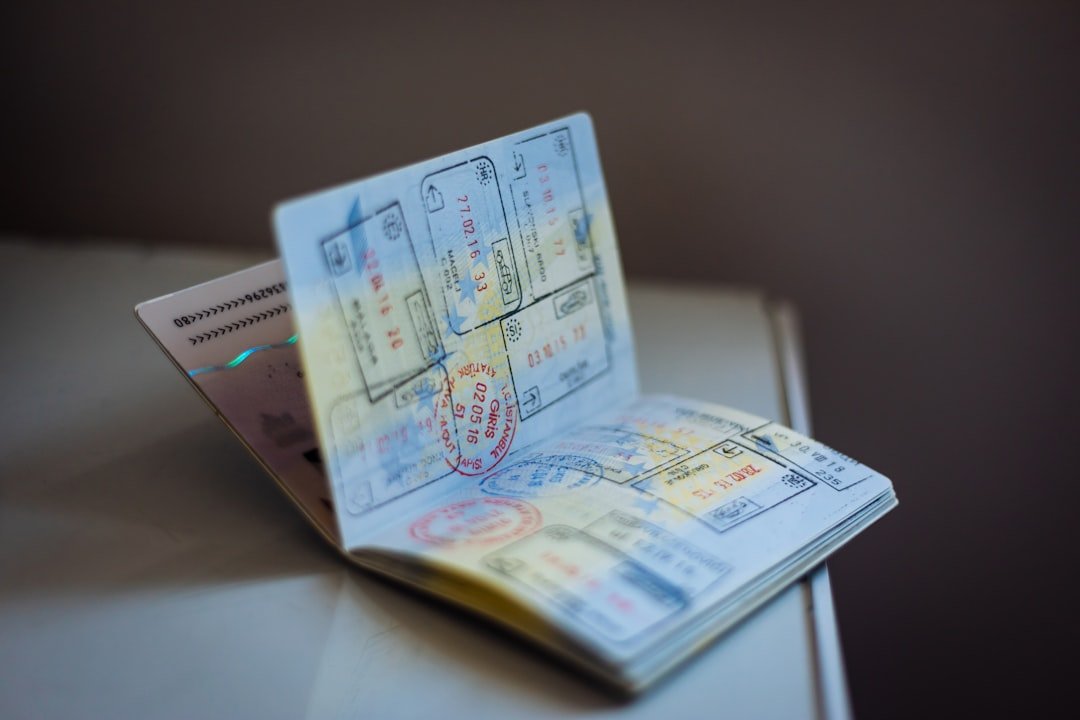
Most nationalities need a Tanzania e-Visa ($50 USD), applied online at eservices.immigration.go.tz. Yellow fever vaccination is required if arriving from endemic countries. Malaria prophylaxis is strongly recommended. UK, EU, US, Australian, and Canadian citizens are eligible. Process takes 5–10 working days.
Planning a Tanzania safari involves more than choosing parks and lodges. Understanding entry requirements, visa procedures, and health preparations is essential for a smooth trip. This guide covers everything from visa applications to vaccinations, malaria prevention, and travel insurance so you can arrive in Tanzania fully prepared.
Tanzania Visa Requirements
Most international visitors require a visa to enter Tanzania. The good news is the process is straightforward and can be completed online or on arrival.
E-Visa (Recommended)
Tanzania's electronic visa system allows you to apply online before traveling. This is the most efficient option:
- Application website: visa.immigration.go.tz
- Processing time: 3-10 business days (apply at least 2 weeks before travel)
- Cost: $50 USD (single entry, 90 days) or $100 USD (multiple entry)
- Requirements: Passport scan, passport photo, return flight details, accommodation proof
Step-by-Step E-Visa Application Guide
The official portal is eservices.immigration.go.tz. The website can be slow at times — use a desktop browser and avoid mobile for the application form. Here is the process as it stood at the time of writing:
- Create an account on the portal using your email address. Confirm the account via the verification email — check your spam folder if it does not arrive within five minutes.
- Start a new application and select "Tourist Visa" (Type C, single entry). Choose the entry point — Kilimanjaro International Airport (JRO) is correct for most safari travelers arriving from Europe.
- Upload required documents:
- Passport biodata page scan — full color, minimum 300dpi, all four corners visible. Blurry or cropped scans are the most common reason for rejection.
- Passport-sized photo — white background, face centered, taken within the last six months. The same passport photo rules apply as for any government document.
- Bank statement or sponsor letter — recent three-month statement showing sufficient funds for your stay. A letter from your employer confirming your position and salary also satisfies this requirement if your bank balance is variable.
- Accommodation confirmation — hotel booking confirmation, safari operator confirmation letter, or a letter of invitation from a host in Tanzania. Your safari itinerary from us satisfies this requirement.
- Return air ticket — outbound flight booking showing your departure from Tanzania. A booking reference number is sufficient; you do not need a fully paid ticket.
- Pay the application fee — $50 USD by credit or debit card. Visa and Mastercard are accepted. Some applicants from certain countries have reported issues with specific card types; if your payment fails, try a different card.
- Wait for processing — standard processing takes 5 to 10 working days. Some applicants receive approval within 48 hours during quiet periods; others wait the full two weeks. Apply at least three weeks before travel to give yourself a buffer.
- Download your e-visa approval letter and print two copies — one to keep and one to hand over at immigration. Immigration officers will scan the QR code on the letter.
Common Rejection Reasons and How to Avoid Them
- Blurry or cropped passport scan: Use a flatbed scanner rather than a phone camera if possible. Ensure all text is legible.
- No accommodation proof: Applicants who have not yet booked accommodation should contact their safari operator for a confirmation letter before applying. We provide these for all our clients.
- Insufficient funds evidence: Immigration looks for a balance equivalent to at least $100 per day of your planned stay. If your bank statement does not show this, include a sponsor letter or travel company payment receipt.
- Mismatched information: The name on your application must exactly match your passport. Middle names, hyphenated names, and name order inconsistencies between passport and application form are a frequent cause of delays.
- Applying too late: If your visa is still pending 72 hours before departure, contact the Tanzania Immigration Department directly at immigration.go.tz/contact. In some cases a visa on arrival becomes the fallback.
E-Visa vs. Visa on Arrival: Pros and Cons
| Factor | E-Visa | Visa on Arrival |
|---|---|---|
| Certainty before travel | Yes — approved before you fly | No — handled at the airport |
| Queue time | Minimal — dedicated lane at JRO | 30–60 minutes at peak hours |
| Cost | $50 (single) / $100 (multiple) | $50 (single) / US citizens $100 |
| Payment method | Online credit/debit card | Cash USD only (post-2006 bills) |
| Application effort | 30–45 minutes online | Form filled on arrival |
| Best for | Almost everyone | Last-minute travelers only |
Our recommendation: always use the e-visa. Visa on arrival works, but arriving at Kilimanjaro Airport after a 10-hour overnight flight and standing in a 45-minute queue to sort your entry documentation is not a great start to a safari. The e-visa takes 30 minutes to apply for and eliminates that uncertainty entirely.
Zanzibar Entry
Zanzibar is a semi-autonomous region of Tanzania but no separate visa is required. Your Tanzania mainland visa covers entry. Immigration officers at Zanzibar Airport will check your passport, stamp it, and may verify your yellow fever certificate — this check is routine and applies even to travelers arriving from the Tanzania mainland. Carry your yellow card every time you pass through an East African airport.
Visa on Arrival
Visas are available at Kilimanjaro International Airport (JRO), Julius Nyerere Airport (DAR), and major land borders:
- Cost: $50 USD (single entry) — US citizens pay $100 USD
- Payment: Cash USD only (crisp, undamaged bills dated 2006 or later)
- Wait time: 30-60 minutes depending on queue
We recommend the e-visa to avoid potential queues and to ensure your visa is confirmed before you board your flight.
Passport Requirements
- Valid for at least 6 months beyond your date of entry
- At least 2 blank pages for stamps
- Good condition (no significant damage or water damage)
Yellow Fever Vaccination
Tanzania requires proof of yellow fever vaccination if you are arriving from or have transited through a yellow fever endemic country. This includes many countries in Sub-Saharan Africa and South America.
Key points:
- If flying directly from Europe, North America, Asia, or the Middle East, yellow fever vaccination is not mandatory but is recommended
- If transiting through Ethiopia, Kenya, or another endemic country, you must have a valid yellow fever certificate
- The vaccination must be administered at least 10 days before arrival
- The International Certificate of Vaccination (yellow card) is valid for life
- Zanzibar has its own entry requirements and typically checks yellow fever certificates even for travelers arriving from mainland Tanzania
Recommended Vaccinations for Safari Travelers
Consult your travel health doctor at least 6 to 8 weeks before departure — this is the window that allows time for multi-dose courses, appointment availability, and any side effects to settle before you travel. The following vaccinations are commonly recommended for Tanzania:
| Vaccination | Recommendation | Notes |
|---|---|---|
| Yellow Fever | Required if from endemic country; recommended regardless | Must be administered at least 10 days before arrival. Certificate valid for life. Zanzibar routinely checks even for travelers arriving from mainland Tanzania. |
| Typhoid | Recommended | Oral vaccine (Vivotif, 4 capsules over 7 days) or injectable (Typhim Vi, single dose). Oral course must be completed 1 week before exposure. Injectable provides 2 years of protection; oral provides 5 years. |
| Hepatitis A | Strongly recommended | Food and waterborne. Two-dose series (given 6–12 months apart) provides lifelong protection. Single dose before travel provides protection for at least 12 months. |
| Hepatitis B | Recommended | Three-dose series. Especially important for longer stays, those receiving any medical treatment, or travelers who may engage in activities with injury risk. An accelerated schedule (0, 7, 21 days) is available if time is short. |
| Rabies | Consider for wildlife-focused travel | Pre-exposure series (3 doses over 21 days) is recommended for Kilimanjaro climbers, researchers, and anyone spending extended time near wildlife. Rabies is present in Tanzania. Pre-exposure vaccination does not eliminate the need for post-exposure treatment but significantly expands the window for obtaining it — critical in remote areas. |
| COVID-19 | Check current requirements | Tanzania removed mandatory COVID entry requirements in 2022. Requirements and recommendations change — verify the current status with your government's travel advisory 4–6 weeks before departure. |
| Meningitis | Consider | Particularly during dry season when dust and dry air increase transmission risk. |
| Routine vaccines | Ensure up to date | MMR, DPT, polio, influenza. Confirm with your GP — many adults are due boosters they have not yet had. |
Malaria Prevention
Malaria is present throughout Tanzania, including safari destinations and Zanzibar. Prevention is essential:
Antimalarial medication comparison:
| Drug | Dosing | Cost (approx.) | Side Effects | Best For |
|---|---|---|---|---|
| Malarone (Atovaquone/Proguanil) | Daily, start 1–2 days before travel, stop 7 days after leaving malaria zone | $4–6 per tablet. A 2-week trip costs approximately $70–100 for the course. | Generally well tolerated. Occasional nausea or vivid dreams. Take with food to reduce stomach upset. | Most travelers. The short post-travel dosing period (7 days vs. 28 for Doxycycline) is a practical advantage for short trips. |
| Doxycycline | Daily, start 1–2 days before travel, stop 28 days after leaving malaria zone | $0.20–0.50 per tablet. Course for a 2-week trip costs $10–20 — significantly cheaper. | Sun sensitivity (photosensitivity) — wear SPF 50+ and cover up. Can cause esophageal irritation if not taken with a full glass of water and food. Not suitable for pregnant women or children under 8. | Budget-conscious travelers, longer trips, and those who need antibiotic cover for other conditions (it also protects against traveler's diarrhea). |
| Mefloquine (Lariam) | Weekly. Start 2–3 weeks before travel to check tolerance. Continue 4 weeks after return. | $3–5 per tablet. Cheaper than Malarone for longer trips. | Neuropsychiatric side effects in a minority of users — vivid nightmares, anxiety, dizziness, mood changes. The 2–3 week pre-trip test period exists specifically to identify intolerance before you are in the field. Contraindicated for those with a history of depression, anxiety disorders, or seizures. | Rarely recommended as a first choice now. Weekly dosing is convenient for very long trips where the alternatives become unwieldy, but the side-effect profile makes it a second or third option for most travelers. |
In practice, most of our clients traveling from Europe or North America choose Malarone. For African clients or those doing frequent short trips to Tanzania, the cost difference of Doxycycline becomes compelling. Discuss your specific situation with a travel health physician — the right choice depends on your trip length, budget, medical history, and other medications you take.
Additional malaria prevention measures:
- Apply DEET-based insect repellent (30%+) to exposed skin, especially at dusk and dawn
- Wear long sleeves and trousers in the evenings
- Sleep under a mosquito net (provided at virtually all safari camps and lodges)
- Use mosquito coils or plug-in repellents in your room
When to Visit a Travel Health Clinic
The consistent advice from travel medicine practitioners is 6 to 8 weeks before departure. Here is why that window matters:
- Multi-dose vaccines need time: Hepatitis A and B and the rabies pre-exposure series all require doses spaced weeks apart. Starting 6–8 weeks out gives you the full series before you fly.
- Appointment availability: Travel health clinics — especially in cities — can book up several weeks in advance. Do not assume you can get in the week before travel.
- Side effect observation: Some vaccines cause mild reactions (sore arm, low fever, fatigue). Having 6 weeks of buffer means these resolve well before your trip starts.
- Mefloquine tolerability testing: If your physician recommends Mefloquine, you need 2–3 weeks on the drug before departure to check for adverse reactions. This only works if you start the medication with enough lead time.
- Yellow fever certificate timing: The certificate is not valid until 10 days after vaccination. Apply for it the day of your appointment and you will have it validated before you fly, assuming you book your clinic visit at least two weeks out.
If you are traveling in less than 4 weeks and have not yet seen a travel health clinic, contact one immediately — most will prioritize urgent appointments and can provide accelerated vaccine schedules where medically appropriate.
Altitude Sickness for Kilimanjaro Climbers
This section applies to any client combining a Kilimanjaro climb with a safari or beach extension. Altitude sickness (acute mountain sickness, AMS) is a genuine risk above 2,500 meters. Kilimanjaro summits at 5,895 meters — high enough that without adequate acclimatization, a significant percentage of climbers experience moderate to severe AMS symptoms.
Key facts:
- AMS cannot be predicted reliably from fitness level, age, or prior experience. Extremely fit individuals sometimes struggle while sedentary travelers acclimatize well. The key variable is rate of ascent.
- The most important choice you make about altitude on Kilimanjaro is your route and number of days. The 5-day Marangu route has the highest documented failure rate (around 50–60%). The 7-day Machame or Lemosho routes have significantly better summit success rates (70–80%) because they include better acclimatization profiles.
- Acetazolamide (Diamox): The most commonly prescribed altitude medication for Kilimanjaro climbers. It works by stimulating faster breathing, which speeds acclimatization. Dosing is typically 125mg twice daily, starting one day before your ascent above 3,000 meters. Side effects include tingling in the fingers and toes (very common, harmless) and increased urination. It is a sulfonamide drug — if you have a sulfa allergy, discuss alternatives with your doctor. Diamox is available by prescription only in most countries and should be discussed with your travel health physician at your pre-trip appointment.
- Symptoms to know: Headache, nausea, fatigue, dizziness, and loss of appetite at altitude are common and manageable. Confusion, loss of coordination, severe vomiting, or a dry cough that worsens at night are serious warning signs of high-altitude cerebral or pulmonary edema — conditions requiring immediate descent. Our guides are trained to recognize these signs and will not permit a climber showing serious symptoms to continue ascending.
- Descent is the cure: If symptoms do not resolve with rest and hydration, descending 300–500 meters typically produces rapid improvement. No summit attempt is worth the risk of cerebral or pulmonary edema.
Travel Insurance
Comprehensive travel insurance is not legally required for Tanzania but is strongly recommended. A quality policy should include:
- Medical evacuation coverage — Critical for safari areas far from hospitals. Helicopter evacuation from the Serengeti to Nairobi can cost $10,000+.
- Emergency medical treatment — Coverage of at least $100,000 for hospitalization
- Trip cancellation/interruption — Protects your investment if plans change
- Baggage loss/delay — Domestic flights in small planes can occasionally misroute luggage
- High altitude coverage — If climbing Kilimanjaro, ensure your policy covers altitude up to 6,000m
Other Health Tips for Tanzania
- Water: Drink only bottled or purified water. Your safari operator will provide safe drinking water.
- Food: Eat at your lodge or camp where food preparation standards are maintained. Avoid street food unless you have a strong stomach.
- Sun protection: The equatorial sun is intense, especially at altitude. SPF 50+ sunscreen, hat, and sunglasses are essential.
- Altitude: The Ngorongoro Crater rim sits at 2,235m and Kilimanjaro reaches 5,895m. Allow time to acclimatize if coming from sea level.
Pre-Trip Health Checklist
- Visit a travel health clinic 4-6 weeks before departure
- Get recommended vaccinations and obtain your yellow card
- Start antimalarial medication as prescribed
- Purchase comprehensive travel insurance with evacuation coverage
- Pack a personal first aid kit (see our safari packing list)
- Register with your embassy or consulate (optional but recommended)
- Share your itinerary with family/friends at home
Frequently Asked Questions: Tanzania Visa and Vaccinations
- How long does the Tanzania e-visa take to process?
- Standard processing is 5 to 10 working days. Some applications are approved within 24–48 hours during quieter periods; others take the full two weeks. Apply at least three weeks before travel. If your departure is within 72 hours and your e-visa is still pending, contact Tanzania Immigration directly and have your visa on arrival as a backup option.
- Do I need a yellow fever vaccination if flying direct from the UK or USA?
- Strictly speaking, no — yellow fever vaccination is mandatory only if you transit through or arrive from a yellow fever endemic country. However, we recommend getting vaccinated regardless. First, Zanzibar routinely checks certificates even for travelers arriving from the mainland. Second, many travelers do transit through Nairobi or Addis Ababa, which are on the endemic country list. And third, yellow fever is a serious disease that vaccination prevents entirely — it is one of those vaccines where the risk-benefit calculation is clearly in favor of getting it.
- Can I use the Tanzania e-visa for multiple entries during the same trip?
- The standard tourist e-visa is single entry at $50. If you plan to cross into Kenya or another country and re-enter Tanzania — for example, doing the Masai Mara in Kenya after a Serengeti safari — you need the multiple entry visa at $100. Note that the EAC Tourist Visa ($100) covers Kenya, Uganda, and Rwanda and may be more convenient for multi-country itineraries. Tanzania is not currently part of the EAC Tourist Visa scheme, so Tanzania requires a separate visa regardless.
- Which antimalarial is best for a 10-day safari?
- For a 10-day trip, Malarone is the most practical option for most travelers. You start it 1–2 days before arrival, take it daily during your trip, and stop it 7 days after leaving the malaria zone — so your total course is around 18–19 tablets. Doxycycline requires 28 days of post-travel dosing (total course of around 40 tablets for the same trip length) and increases your sun sensitivity, which matters on open game drives. For budget travelers or those with a sulfa allergy or known Malarone intolerance, Doxycycline is a sound alternative. Discuss with your physician.
- Do I need to carry my yellow fever certificate on the safari itself?
- Keep it with your passport at all times during your Tanzania trip. You will be asked to show it at Zanzibar Airport upon arrival, and occasionally at land border crossings if your itinerary takes you near borders. The physical yellow card (International Certificate of Vaccination) is the accepted format — a photo on your phone is not accepted by some border officials, though this varies. Print a color copy as a backup if the original is lost.
Have questions about preparing for your Tanzania trip? Contact our team in Arusha and we will help you navigate the practical aspects of planning your safari, from visa advice to health recommendations and everything in between.
Ready to Plan Your Tanzania Adventure?
Our local safari experts in Arusha will craft a personalized itinerary just for you. No obligation, free consultation.
Get Your Free Quote