Tarangire National Park: Safari Guide, Wildlife & Best Time to Visit
Tarangire National Park is best June–October when 3,000+ elephants migrate in for the dry-season water. Tanzania's largest elephant concentration. Entry: $68/person/day (2026). Also known for massive baobab forests and tree-climbing lions. Often combined with Serengeti and Ngorongoro on the Northern Circuit.
Tarangire National Park is one of Tanzania's most underrated destinations — and among the most rewarding for wildlife enthusiasts who look beyond the standard Serengeti-Ngorongoro itinerary. Famous for its extraordinary elephant herds, ancient baobab trees, and one of Africa's highest densities of wildlife during the dry season, Tarangire is a park that consistently surprises first-time visitors and captivates those who return. This complete guide covers everything you need to know to plan an unforgettable Tarangire safari.
Why Tarangire Is Special
Three things immediately distinguish Tarangire from every other park in Tanzania's northern circuit:
1. Elephant Herds Unlike Anywhere Else
Tarangire has one of the largest elephant populations in Tanzania — and during the dry season (July to October), hundreds of elephants converge on the Tarangire River, the only permanent water source in a landscape that dries to a dust-choked expanse. It is not uncommon to see herds of 50 to 300 elephants along the riverbanks in a single afternoon. Watching these enormous animals move through the golden grass beneath cathedral baobabs is a scene that stays with you permanently.
2. The Ancient Baobab Landscape
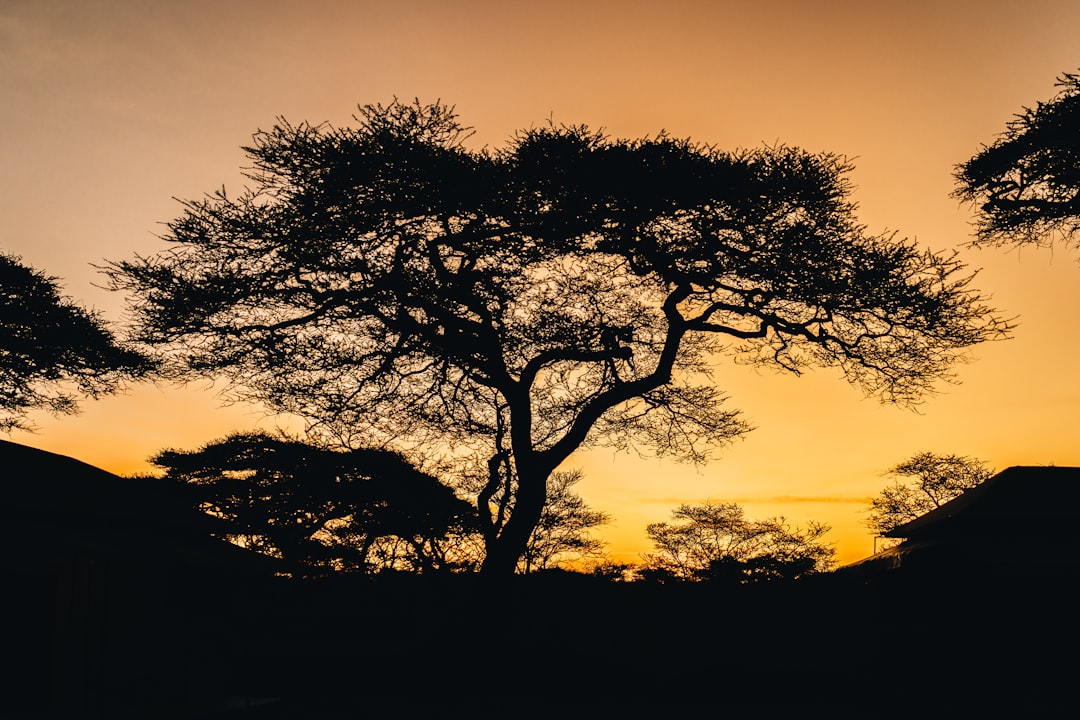
Tarangire's baobab trees are iconic — enormous, ancient, and unlike any tree you'll encounter elsewhere in Tanzania. Some are estimated to be over 1,000 years old, and their bizarre, bottle-shaped trunks create a surreal and deeply photogenic landscape. The combination of baobab silhouettes at golden hour with elephants in the foreground is one of East Africa's great wildlife photography opportunities.
3. Exceptional Bird Diversity
With approximately 550 recorded bird species, Tarangire is one of East Africa's finest birding destinations. Yellow-collared lovebirds, ashy starlings (endemic to Tanzania's central plateau), rufous-tailed weavers (found almost nowhere else), northern pied babblers, and spectacular raptors like martial eagles and bateleurs can all be found here. During the wet season, migratory species dramatically swell the numbers. A dedicated half-day birding drive in Tarangire can realistically yield 80–100 species.
Park Geography: Zones & Habitats
Tarangire National Park covers approximately 2,850 square kilometers, stretching from the Tarangire River in the west to the Kitete and Lemiyon areas in the south. The park is part of a much larger ecosystem — the Tarangire-Manyara ecosystem — that includes Game Controlled Areas and private conservancies to the south and east.
Northern Zone (Tarangire River & Engikaret Area)
The most visited zone, containing the main entrance gate, the Tarangire River flood plain, and the classic baobab-dotted landscape. Wildlife density here during the dry season is phenomenal. This is where you'll find the great elephant concentrations, lion prides hunting on the plains, and the famous observation hill overlooking the river.
Central Zone (Silale Swamp)
The Silale Swamp in the park's central section is a permanent water source that draws wildlife year-round, even when the Tarangire River shrinks. Large buffalo herds, zebra, wildebeest, and eland congregate here. The surrounding woodland is excellent for leopard and the rare fringe-eared oryx.
Southern Zone (Lemiyon & Kitete)
The remote southern areas of Tarangire see very few visitors but offer exceptional wilderness quality. Wild dogs are sometimes encountered here, and the landscape opens into broad, sweeping plains. The southern zone requires more driving time from the main entrance but rewards the effort with near-exclusive wildlife sightings. Private camps in the adjacent conservancies access this area on exclusive concession drives.
Tarangire River Flood Plain
The Tarangire River flows for approximately 150 kilometers through the park before emptying into Lake Burunge. The flood plain it creates — wide, grassy, and punctuated by palm trees — is the park's wildlife superhighway. During peak dry season, the density of animals along this river rivals anything seen in the Serengeti.
Best Time to Visit Tarangire
Tarangire's seasonal dynamics are one of its most fascinating features. Unlike the Serengeti, where wildlife is present year-round, Tarangire operates on a concentration principle driven by the dry season.
Dry Season: July to October (Best for Game Viewing)
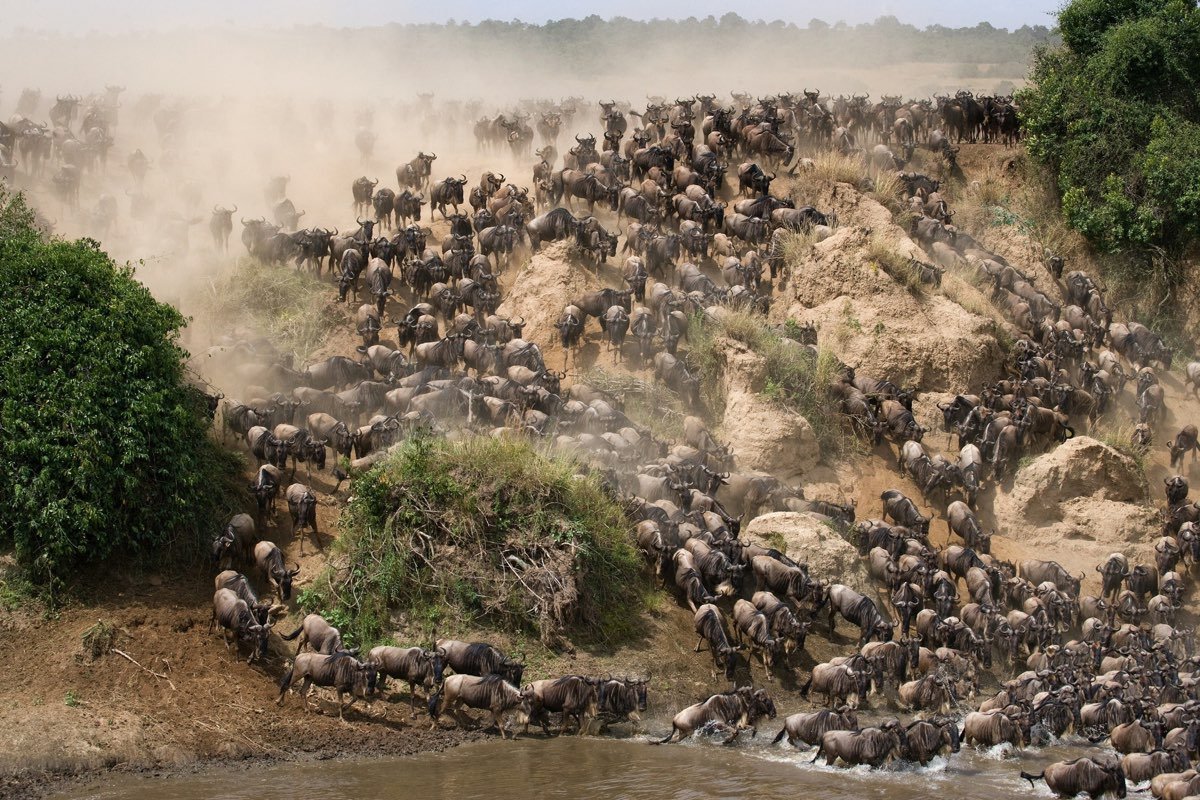
This is peak Tarangire season and among the most spectacular wildlife experiences in Tanzania. As water sources outside the park dry up, enormous numbers of animals migrate into the park to access the Tarangire River. Elephant herds of extraordinary size, vast herds of wildebeest, zebra, buffalo, and eland, and the predators that follow them, all concentrate in a relatively compact area. Morning game drives along the river during August and September are as wildlife-dense as any experience in East Africa.
Green Season (Wet Season): November to May
Two rainfall periods affect Tarangire: the short rains (November–December) and long rains (March–May). During the wet season, many animals disperse outward from the park into the surrounding ecosystem, so overall game density drops. However, the wet season has its own rewards:
- Calving season (November–December and January–February): Wildebeest, zebra, and other ungulates give birth in the park and surrounding areas, bringing extraordinary predator activity
- Bird life peaks: Migratory birds arrive in enormous numbers from the Palearctic (Europe and Asia) — up to 200 additional species can be present
- Lush, photogenic landscapes: The park transforms into a green paradise with dramatic skies perfect for landscape photography
- Fewer visitors & lower prices: Significant savings on accommodation during the green season shoulder periods
For a full breakdown of Tanzania's seasonal patterns across all parks, read our guide to the Best Time to Visit Tanzania for Safari.
Wildlife in Tarangire: What to Expect
Beyond elephants, Tarangire supports a full complement of East African savanna species:
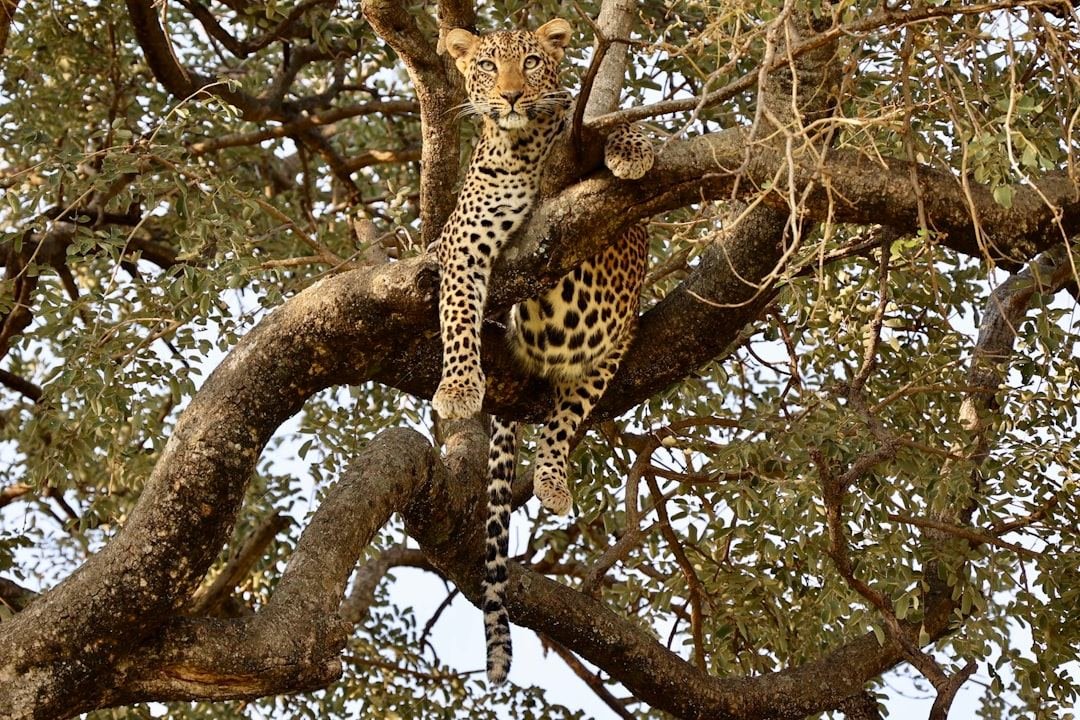
- Lions: Several resident prides. Tree-climbing lions (the same behaviour famous at Lake Manyara) are occasionally observed in Tarangire's acacia woodlands
- Leopard: Present but elusive; the riverine woodland and rocky outcrops provide ideal leopard habitat
- Cheetah: Seen on the open plains, though less commonly than in the Serengeti
- Wild dog: Occasional sightings, particularly in the southern zones
- Giraffe: Masai giraffe in healthy numbers throughout the park
- Zebra & wildebeest: Large seasonal influxes during dry season
- Eland, impala, Grant's gazelle, oryx, gerenuk: Diverse antelope species including some less-common species
- Python: The African rock python is surprisingly common here — guides routinely find them near termite mounds and riverbanks
- Mongoose, mongoose, monitor lizard, and other small fauna
Game Drives in Tarangire: What to Know
Standard game drives in Tarangire follow the circuit roads in the northern and central zones. The most productive areas for dry-season game viewing are the Tarangire River banks between the park entrance and Tarangire Safari Lodge, the area around Silale Swamp, and the flood plains near Engelhard Bridge.
For maximum wildlife impact, a full-day game drive (departing at 6:30am, returning at 6pm with a picnic lunch at the river) gives you the best chance to witness everything from lion hunts in the early morning to elephant bathing in the afternoon. Half-day drives are possible but the mid-morning and afternoon hours — not just dawn and dusk — are productive here, unlike some other parks where the midday lull is pronounced.
Night Safaris in Private Concessions
Night drives are not permitted inside the national park boundary, but several private conservancies bordering Tarangire to the south (particularly in the Randilen, Manyara Ranch, and Chem Chem areas) operate outstanding night safaris on exclusive concession land. Nocturnal species including genet, serval, honey badger, porcupine, aardvark, and bushbaby can be encountered. Some private camps combine day drives in the national park with night drives on their concession — a powerful combination.
Accommodation Options in & Around Tarangire
Inside the National Park
- Tarangire Safari Lodge: The classic option — well-positioned on the ridge above the Tarangire River with sweeping views. Comfortable tented rooms in a mature garden setting.
- Tarangire Treetops (Elewana Collection): One of Tanzania's most unique lodges — guest rooms are literally built into or suspended from ancient baobab trees. An unforgettable experience in the deep south of the park.
- Olivers Camp: An intimate, authentic bushcamp in the southern Tarangire, known for specialist activities including walking safaris and exceptional guiding.
Outside the Park — Private Concessions
- Chem Chem Lodge & Little Chem Chem: Elegant camps in a private conservancy offering exclusive game drives and excellent birdwatching on Lake Manyara's northern shore, combined with Tarangire access.
- Lemala Mpingo Ridge: A newer luxury camp on a private concession with stunning views and the ability to offer night drives and walking safaris not available inside the park.
- Kuro Tarangire: A stylish, modern camp combining a private conservancy location with excellent Tarangire game drive access and a memorable pool overlooking a waterhole.
Budget & Mid-Range
Several budget campsites operate within the national park (public and special campsites). The nearest town, Kwa Kuchinja, has basic guesthouse options for extremely budget-conscious travelers, though driving time to game areas makes staying inside or immediately adjacent to the park strongly preferable.
Combining Tarangire with Other Northern Circuit Parks
Tarangire is an ideal starting or ending point for Tanzania's northern circuit. Most commonly combined with:
- Tarangire + Ngorongoro + Serengeti: The classic northern circuit. Start at Tarangire (1–2 nights), drive to Ngorongoro (1–2 nights), then Serengeti (2–3 nights). This 7–10 day itinerary represents the ideal Tanzania safari backbone.
- Tarangire + Lake Manyara: Lake Manyara National Park lies just 40 minutes from Tarangire. Combining both makes a logical two-day extension — Manyara for tree-climbing lions and flamingos, Tarangire for elephants and baobabs.
- Tarangire + Serengeti + Ngorongoro + Zanzibar: The most popular complete Tanzania safari itinerary. Begin at Tarangire to avoid the Arusha-Serengeti direct route's length, sweep through Ngorongoro, spend the most time in the Serengeti, and end with 4–5 nights on Zanzibar.
For more detail on planning time in the Serengeti, see our Serengeti National Park Complete Safari Guide.
Practical Information for Your Tarangire Visit
- Location: 118 km south of Arusha, approximately 2 hours by road
- Park fees: $59 per adult per day (non-resident) — Tanzania National Parks (TANAPA)
- Airstrip: Kuro Airstrip inside the park accepts small charter aircraft from Arusha, Serengeti, and Kilimanjaro
- Malaria: Tarangire is a malaria zone — prophylaxis is strongly recommended
- What to wear: Neutral colors (khaki, olive, tan). Layers for the cool mornings
- Photography: Long telephoto lenses (400mm+) ideal; wide-angle for landscapes and baobabs
Tarangire is one of Tanzania's most rewarding parks — vast enough to feel truly wild, accessible enough to combine smoothly into a northern circuit itinerary, and different enough from the Serengeti to add genuine variety to any safari. Whether you visit for a single day or linger for three nights deep in the southern concessions, Tarangire will exceed your expectations.
iTanzania Safaris includes Tarangire in most of our northern circuit itineraries, and we have deep relationships with the best camps both inside the park and on private concessions. If you'd like a customised itinerary that maximizes your time in Tarangire alongside the Serengeti and Ngorongoro, contact our Arusha team for a free quote and detailed safari proposal.
Ready to Plan Your Tanzania Adventure?
Our local safari experts in Arusha will craft a personalized itinerary just for you. No obligation, free consultation.
Get Your Free Quote