Ngorongoro Crater Safari Guide 2026: Wildlife, Costs & Expert Tips

The Ngorongoro Crater is one of Africa's most remarkable natural wonders — a vast volcanic caldera teeming with wildlife, often called "Africa's Eden." As part of the Ngorongoro Conservation Area, this UNESCO World Heritage Site offers one of the best chances anywhere on the continent to see the Big Five in a single game drive. This complete guide covers everything you need to plan a Ngorongoro Crater safari: wildlife, best time, costs, logistics, and what to combine it with.

A Geological Wonder: The World's Largest Intact Caldera
Formed when a massive supervolcano collapsed inward roughly 2–3 million years ago, the Ngorongoro Crater is the world's largest unbroken, unflooded volcanic caldera. Its dimensions are staggering:
- Diameter: 19 kilometres (12 miles) across
- Depth: 610 metres (2,000 feet) from rim to floor
- Floor area: 260 square kilometres (100 square miles)
- Rim altitude: 2,235 metres (7,500 feet) above sea level
- Resident wildlife: approximately 25,000–30,000 large animals
The crater walls act as a natural enclosure, trapping moisture from the sky and creating a self-contained ecosystem with multiple distinct habitats: short-grass plains, swamps, highland forests, a soda lake (Lake Magadi), and the Lerai Forest. This habitat diversity is why so many species coexist here in extraordinary density.
Wildlife in the Crater: Big Five and Beyond
The Ngorongoro Crater has the highest density of large mammals in Africa — a remarkable consequence of the natural walls keeping prey species (and their predators) within a relatively small, water-rich area. It is one of the few places on Earth where you can realistically see all Big Five in a single game drive.
| Species | Population | Best Spot | Sighting Chances |
|---|---|---|---|
| Black Rhino | ~25–30 | Open grasslands, esp. morning | Good — nearly daily sightings reported |
| Lion | ~50–60 | Open plains near buffalo herds | Excellent — almost guaranteed |
| Elephant | ~40–50 (bulls) | Lerai Forest, crater floor | Excellent |
| Cape Buffalo | 4,000+ | Grasslands and swamp edges | Certain |
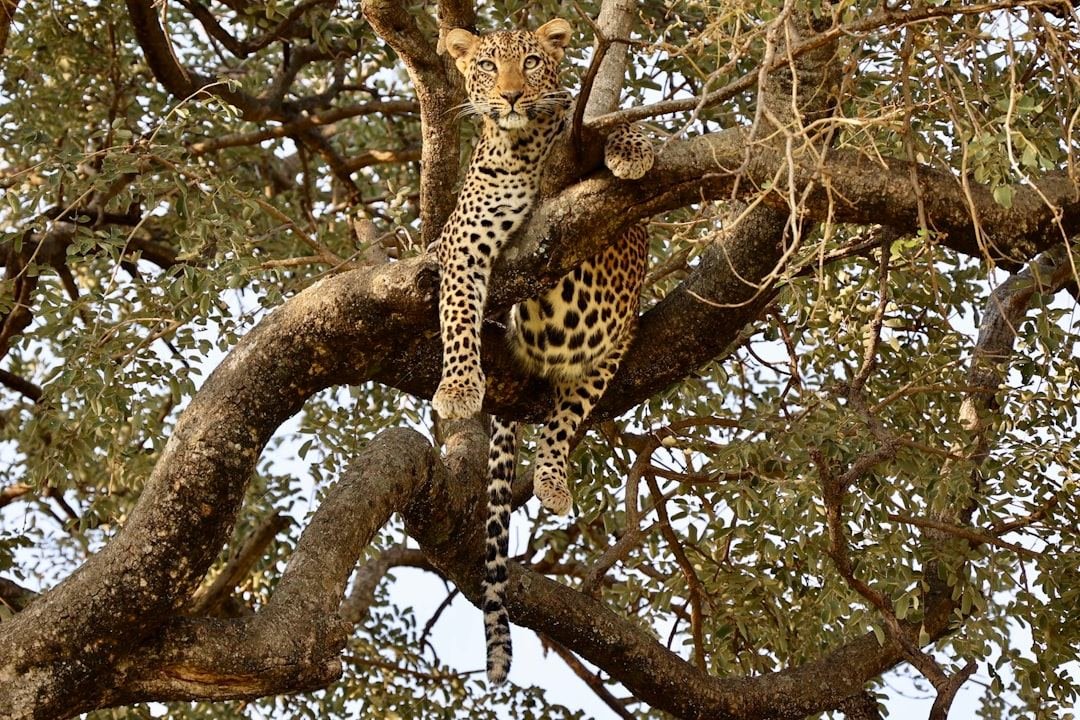
| Leopard | Unknown | Lerai Forest trees | Uncommon — patience required |
| Hippo | ~70 | Ngoitokitok Springs | Certain |
| Spotted Hyena | 400+ | Grasslands, dens near rim | Certain |
| Flamingo | Seasonal | Lake Magadi | Good (Nov–Apr) |
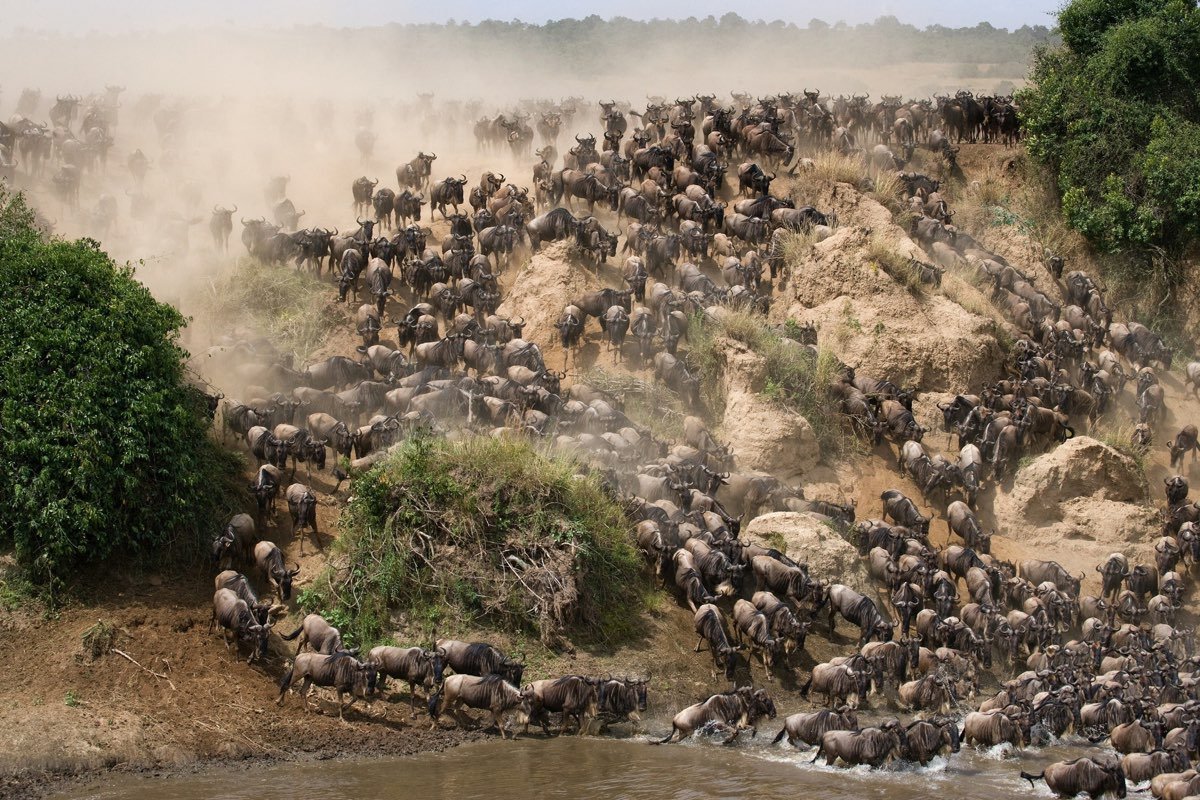
| Wildebeest | ~7,000 | Open grasslands | Certain |
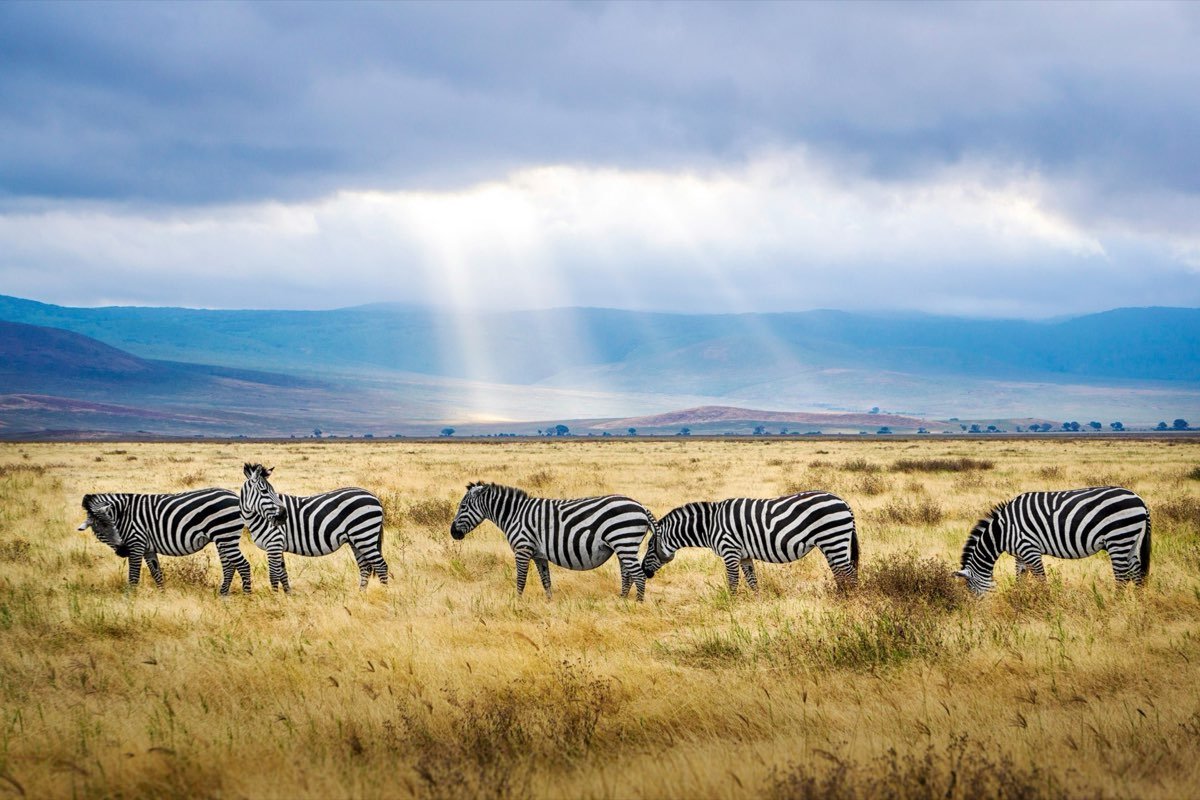
| Zebra | ~4,000 | Open grasslands | Certain |
Note on rhino: The crater's black rhino population is critically important — Ngorongoro holds one of Tanzania's most stable rhino populations. Game drives early in the morning (07:00–09:00) give the best chances of sightings before vehicle numbers build up.
Note on elephants: The steep crater walls discourage breeding herds with calves from descending, so most crater elephants are older bulls — some with impressively long tusks. For elephant herds with babies, Tarangire National Park is the better choice.
Best Time to Visit Ngorongoro Crater
Unlike the Serengeti, the Ngorongoro Crater is an excellent year-round destination. Because its resident wildlife does not migrate, there is no "wrong" time to visit. However, conditions vary significantly by season:
| Period | Conditions | Wildlife | Crowds | Price |
|---|---|---|---|---|
| Jun–Oct (dry) | Clear skies, 10–22°C floor, cold nights on rim | Excellent — sparse grass, easy spotting | High | $$$$ |
| Jan–Feb | Warm, light showers, green crater | Very good — calves, predator action | Medium | $$$ |
| Nov–Dec | Short rains, afternoon showers | Good — migratory birds, lush scenery | Low | $$ |
| Mar–May | Long rains, misty mornings | Good — fewer vehicles, muddy rim roads | Very Low | $ |
Pro tip: Arrive at the crater descent road by 06:30–07:00 regardless of season. The crater allocates a limited number of vehicle slots per day. Early arrivals get the best morning light, cooler temperatures, and the most active wildlife — before midday heat drives animals into shade.
See our detailed best time to visit Tanzania guide for how Ngorongoro fits into a wider safari calendar.
Ngorongoro Crater Floor: Key Habitats and Locations
The crater floor covers 260 km² and contains four distinct habitats, each supporting different species:
1. Short-Grass Plains (Central Crater Floor)
The open grasslands dominate the central floor. This is lion territory — prides hunt here and rest on termite mounds. You will find wildebeest, zebra, gazelles, and the large buffalo herds that attract predators. Black rhino are most commonly spotted in this area during morning drives.
2. Lerai Forest (Acacia Forest)
A dense acacia woodland on the southern floor. This is where elephants feed and where leopards are occasionally spotted lounging in the trees. Vervet monkeys and baboons are always present. This is also a popular lunch spot for safari vehicles — bring a packed lunch and watch out for the resident black kites.
3. Ngoitokitok Springs (Hippo Pool)
A freshwater spring on the eastern floor surrounded by swamp vegetation. This is where the crater's 70+ hippos spend their days. Yellow-billed storks, African fish eagles, and kingfishers are always present around the water. The hippo pool is a highlight of any crater game drive.
4. Lake Magadi (Soda Lake)
A shallow alkaline lake on the western crater floor. When conditions are right (especially November–April), thousands of flamingos feed on the algae in the shallows, turning the lake pink. Pelicans and other waterbirds are always present.
Safari Activities at Ngorongoro
Crater Floor Game Drive (full or half day): The primary activity. A full-day game drive (6–8 hours) gives you the best chance of seeing all major species. A half-day drive (4–5 hours) is sufficient for most wildlife highlights. All drives require a licensed driver-guide and park-registered vehicle — access to the crater floor is strictly controlled.
Crater Rim Nature Walk: Guided walks along the forested rim provide dramatic panoramic views of the crater below. You may encounter buffalo, elephant, and highland forest birds (Ngorongoro has 550+ bird species). The rim sits at 2,235m, so layers are essential — it can be 10°C cooler than Arusha.
Olduvai Gorge: Located 50km west of Ngorongoro on the road to the Serengeti, this is one of the world's most important paleoanthropological sites. Louis and Mary Leakey discovered Homo habilis and Australopithecus boisei remains here in the 1950s–1960s. The small on-site museum and guided gorge walk are excellent and add 1.5–2 hours to your journey to the Serengeti.
Maasai Cultural Visit: The Ngorongoro Conservation Area is unique in allowing the Maasai to live alongside wildlife. A visit to a traditional Maasai boma (homestead) offers genuine insight into pastoral Maasai life. Communities live on the crater rim and in the surrounding Conservation Area, moving their livestock through the landscape as they have for centuries.

Ngorongoro Entry Fees and Costs 2026
The Ngorongoro Conservation Area Authority (NCAA) has its own fee structure, separate from Tanzania National Parks (TANAPA):
| Fee Type | Cost | Notes |
|---|---|---|
| Conservation Area Entry | $70.80 per person/day | Mandatory for all visitors entering the NCA |
| Crater Service Fee | $295.60 per vehicle | Per vehicle descent to crater floor (not per person) |
| Vehicle Fee | Included in packages | Covered by your safari operator's vehicle fee |
| Guided Walk | $23.60 per person | For crater rim walks, per guide (shared) |
| Campsite (public) | $35.40 per person/night | Special campsites available for exclusive use |
These fees are included in all quoted package prices when you book through a licensed operator. The crater service fee is per vehicle, not per person — so larger groups pay proportionally less per person. See our Tanzania safari cost guide for complete Northern Circuit pricing.
How to Combine Ngorongoro with Other Parks
The Ngorongoro Crater is almost never visited alone — it sits perfectly between Arusha and the Serengeti, making it a natural stop on any Northern Circuit safari. The two most popular combinations:
Classic Northern Circuit (5–6 Days)
Day 1: Arusha → Tarangire NP (game drive)
Day 2: Tarangire → Ngorongoro Rim (arrive evening)
Day 3: Full-day Ngorongoro Crater descent
Day 4: Ngorongoro → Central Serengeti (Seronera)
Day 5: Full-day Serengeti game drive → return Arusha
Day 6: Optional Serengeti extension or return to Arusha
This is our 5-night Northern Circuit package — the most popular combination for first-time Tanzania visitors.
Extended Northern Circuit (9–10 Days)
Our 10-day Northern Circuit safari adds 3 full nights in the Serengeti, an Arusha cultural tour, and the Marangu/Kilimanjaro slopes day — giving maximum time in each ecosystem and significantly better wildlife photography opportunities.
Getting There: Ngorongoro from Arusha
Ngorongoro is 3 hours by road from Arusha (187km). The drive passes through Karatu town and along the rim with spectacular views before descending. Most operators depart Arusha between 07:00–08:00 to reach the crater by mid-morning. There is no commercial airstrip at Ngorongoro itself, but Manyara Airstrip (60km away) accepts charter flights from Kilimanjaro or Arusha airports.
Where to Stay: Crater Rim vs. Karatu
Accommodation options divide into two tiers by location:
Crater Rim Lodges: Perched on the rim at 2,200m+ with direct crater views. Morning mist and cold nights create a dramatic atmosphere. Examples: Ngorongoro Crater Lodge, Serena Mountain Lodge, Ngorongoro Farm House. Premium prices but unmatched proximity and views.
Karatu Town Area: 20km outside the NCA boundary. More budget-friendly, with some excellent mid-range options in the Karatu highlands farmland. Add 45 minutes each way to the crater but costs significantly less. Good food and comfortable rooms available.
We recommend at least one night on the crater rim to wake up above the clouds and watch sunrise over the caldera — it is one of Tanzania's most extraordinary experiences.
Ready to Plan Your Tanzania Adventure?
Our local safari experts in Arusha will craft a personalized itinerary just for you. No obligation, free consultation.
Get Your Free Quote
Safari Expert Team — iTanzania Safaris
Tanzania-Based Safari Guides & Operators
Our guides have collectively led hundreds of safaris across the Serengeti, Ngorongoro, Tarangire, and Kilimanjaro. Based in Arusha, we combine on-the-ground expertise with real-time field knowledge — so every guide we publish is grounded in firsthand experience, not theory. Meet our team →