Best Time to Visit Tanzania for Safari: Month-by-Month Guide 2026
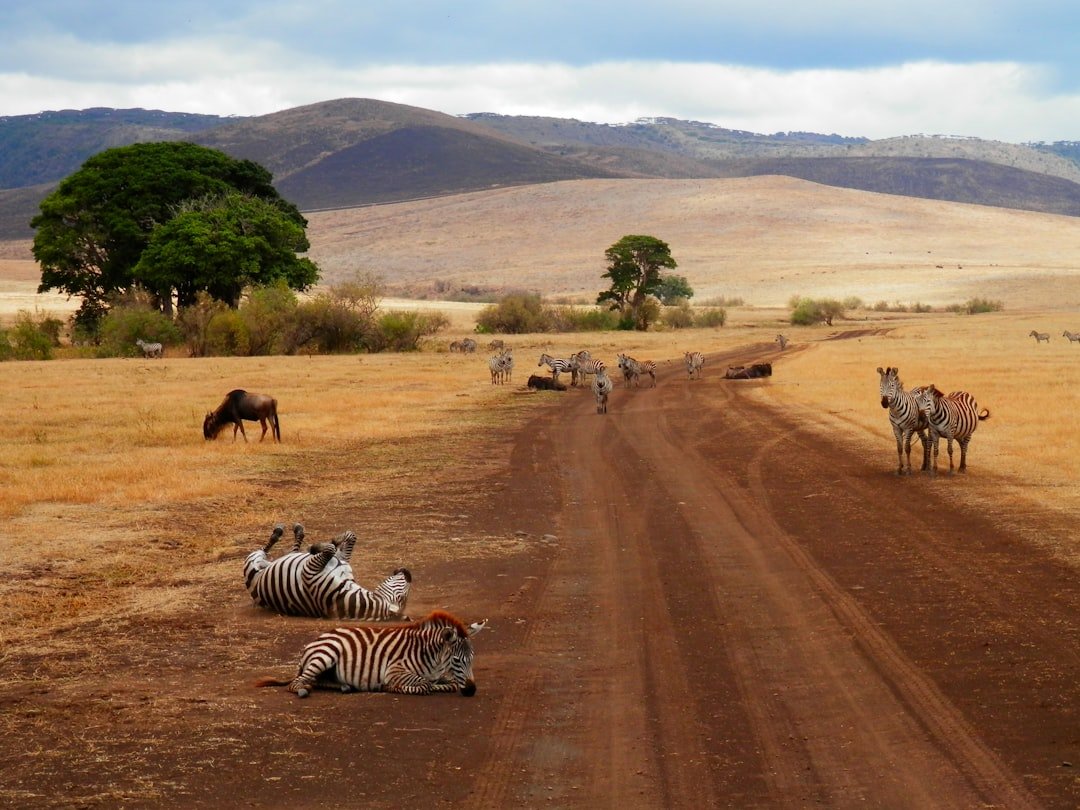
The best time for Tanzania safari is June–October (dry season) for game viewing and Great Migration river crossings. August–September peak for Mara River crossings. January–February for calving season drama. May and November offer excellent value with far fewer crowds. Tanzania has year-round wildlife — every month has a distinct highlight.
Tanzania is one of Africa's premier safari destinations, and timing your visit can make the difference between a good safari and an extraordinary one. From the explosive drama of wildebeest river crossings to the quieter, budget-friendly green season teeming with baby animals, each month offers a genuinely distinct experience. This complete month-by-month guide tells you exactly what to expect — wildlife, weather, crowds, prices — so you can plan the perfect Tanzania safari for 2026.
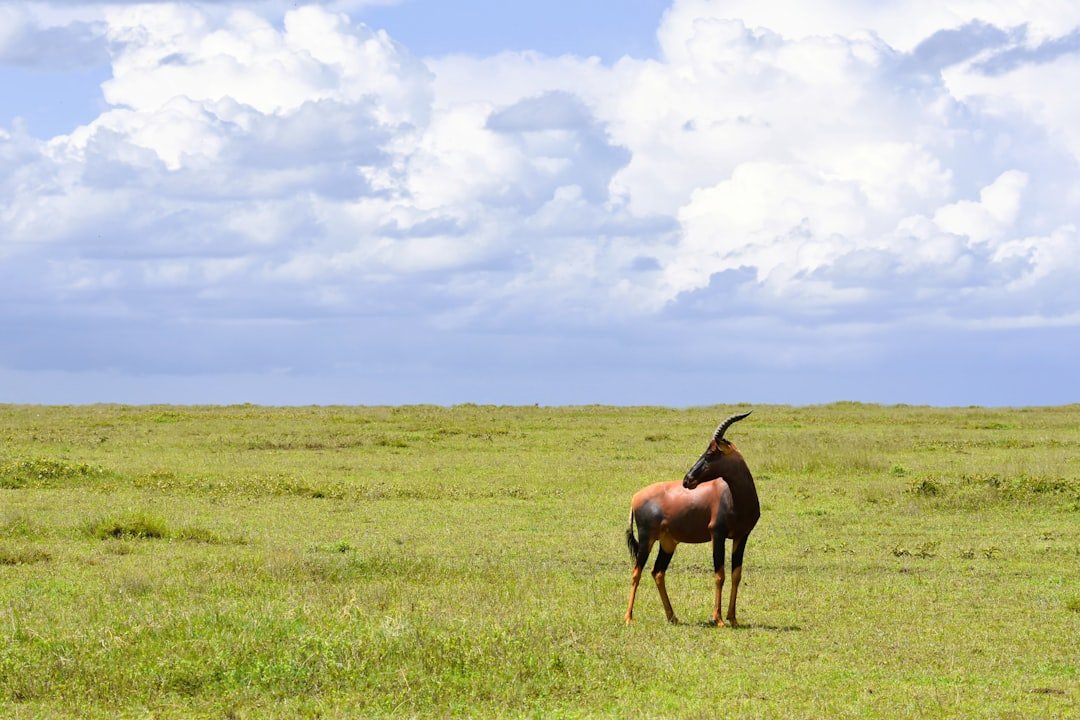
Tanzania's Two Safari Seasons Explained
Tanzania sits just south of the equator, giving it a tropical climate moderated by altitude (Arusha sits at 1,400m, the Serengeti plains at 1,500m, the Ngorongoro Crater rim at 2,300m). Two main seasons drive everything:
- Dry season (June–October): Little to no rain. Vegetation thins, wildlife concentrates around rivers and waterholes, roads are solid. Highest prices and crowds — but unbeatable game viewing.
- Wet season (November–May): Divided into short rains (Nov–Dec) and long rains (March–May). Landscapes are lush and green, newborn animals everywhere, migratory birds arrive, prices drop 20–40%. Jan–Feb (calving season) is actually one of the most action-packed times of year despite being "wet season."
Neither season is wrong. The best time to visit Tanzania depends entirely on what you want to experience — river crossings, calving season, value pricing, or empty parks.
Complete Month-by-Month Tanzania Safari Calendar 2026
| Month | Season | Wildlife Highlight | Weather | Crowds | Price |
|---|---|---|---|---|---|
| January | Warm wet | Calving begins (Ndutu/southern Serengeti) | 26°C, light showers | Moderate | $$ |
| February | Warm wet | Peak calving — 500k calves in 3 weeks | 26°C, some rain | Moderate-High | $$$ |
| March | Transition | Predator action, herds moving north | Warm, increasing rain | Low-Moderate | $$ |
| April | Long rains | Green season, exceptional birdlife | Heavy rain, 25°C | Very Low | $ |
| May | Long rains | Lush landscapes, best value | Rain easing, 24°C | Very Low | $ |
| June | Dry (early) | Migration in Western Corridor | Dry, cool 22°C | High | $$$ |
| July | Dry | Grumeti River crossings | Dry, cool 21°C | High | $$$ |
| August | Dry (peak) | Mara River crossings (most dramatic) | Dry, warm 24°C | Very High | $$$$ |
| September | Dry (peak) | Peak Mara crossings, great cats | Dry, warm 25°C | Very High | $$$$ |
| October | Dry (late) | Migration heading south, Tarangire peak | Dry, warming 26°C | High | $$$ |
| November | Short rains | Birdlife peak, green scenery, great value | Brief showers 25°C | Low | $$ |
| December | Short rains | Migration returns south, festive period | Some rain 25°C | Moderate | $$–$$$ |
Month-by-Month Deep Dive
January & February — Calving Season (Excellent)
January and February are secretly two of the best months for Tanzania safari, despite falling in the "wet" season. The southern Serengeti and Ndutu Conservation Area host the world's greatest wildlife spectacle: approximately 500,000 wildebeest calves are born within just 2–3 weeks, usually peaking in mid-February. This explosion of newborn life draws every major predator — lions, cheetahs, leopards, hyenas, and wild dogs — into the open for relentless hunting action.
Rainfall is typically light showers in the afternoon, not all-day downpours. Mornings are bright and clear — perfect for photography. Ndutu roads can get muddy but remain accessible with 4x4 vehicles. The Ngorongoro Crater and Tarangire are equally excellent year-round.
Best for: Predator action, photography, moderate budget, calving season drama
Avoid if: You want guarantee of the river crossings (they happen Jul–Oct)

March — Transition Month (Good Value)
March is a transition month as the long rains approach. The first half of March often offers excellent conditions — calving action continues, predators are still active, and prices haven't reached peak season levels. By mid-to-late March, rainfall increases and some tracks in the Ndutu area become difficult. The Ngorongoro Crater is consistently excellent regardless of season.
Best for: Budget-conscious travellers who still want action, calving season tail end
Tip: Choose the first two weeks of March for the best balance of weather and wildlife
April & May — Green Season (Best Value)
April and May are Tanzania's quietest months due to the long rains. Heavy rainfall makes some bush roads impassable, and several remote tented camps close for maintenance. However, for travellers willing to embrace it, the green season offers:
- Prices 30–40% lower than peak season
- Virtually empty parks — you may be the only vehicle at a lion sighting
- Lush, dramatic landscapes that are spectacular for photography
- Exceptional birdlife — over 500 species in Tanzania, many accessible only in wet season
- Baby animals everywhere from the February–March births
The Ngorongoro Crater retains water year-round and is always accessible. Tarangire remains an excellent green-season choice as it stays drier than the Serengeti plains.
Best for: Budget travellers, birders, photographers, those who want parks to themselves
Avoid if: You want comfortable driving and maximum sightings per drive
June — Dry Season Begins (Very Good)
June marks the start of peak safari season and is one of the best months to visit Tanzania. The rains have stopped, vegetation begins to thin, and wildlife starts concentrating around permanent water. The Great Migration herds are in the Western Corridor of the Serengeti, heading toward the Grumeti River. Early-season crossings can occur in late June.
June offers an excellent balance: excellent game viewing, fewer visitors than August–September, and slightly lower prices than peak. The Serengeti, Ngorongoro, and Tarangire are all superb. Temperatures are pleasantly cool — perfect for game drives.
Best for: Excellent game viewing without peak crowds, migration beginning
Best parks: Serengeti (Western Corridor), Ngorongoro, Tarangire
July — Grumeti Crossings (Excellent)
July brings some of the most underrated wildlife viewing of the year. The Great Migration herds have reached the Grumeti River in the Western Corridor — a smaller but still dramatic river crossing compared to the Mara. Massive Nile crocodiles wait in the Grumeti pools. Meanwhile, Tarangire reaches peak elephant numbers as herds migrate into the park for the dry-season water supply.
The northern Serengeti and Kogatende area begin to see advance scouting herds. July is slightly less crowded than August but offers arguably better all-round game viewing across multiple parks.
Best for: Grumeti crossings, Tarangire elephants, excellent all-round game
Best parks: Serengeti (Western Corridor + Northern), Tarangire
August & September — Peak Season (Best for Crossings)
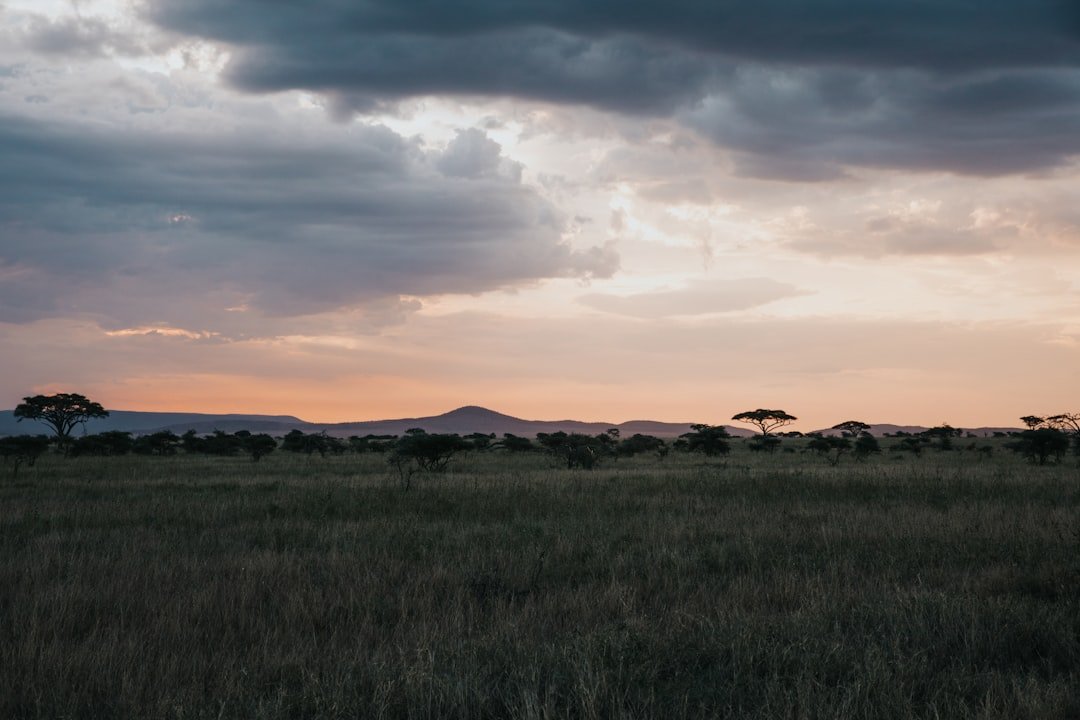
August and September are Tanzania's most popular months — and with good reason. The Mara River in the northern Serengeti is the scene of the most dramatic wildlife event on Earth: thousands of wildebeest plunging into crocodile-infested waters in mass crossings that can happen multiple times per day. The Kogatende area (northern Serengeti) is ground zero.
Game viewing across all parks is exceptional. Animals are concentrated around shrinking water sources, and the sparse, dry vegetation means maximum visibility. The Ngorongoro Crater offers superb Big Five sightings with clear, cool skies.
Downsides: Highest prices of the year. Most crowded parks. Must book 6–12 months in advance for top camps. The Mara crossings are not guaranteed on any given day.
Best for: First-time safari-goers who want it all, Mara River crossings, photography
Best parks: Serengeti (Northern — Kogatende area), Ngorongoro, Tarangire
October — Late Dry Season (Excellent & Less Crowded)
October is one of Tanzania's hidden gems. Crowds begin to thin as peak season ends, but game viewing remains spectacular. The migration herds start their southward journey from the northern Serengeti, and Tarangire reaches its absolute peak as elephant herds — sometimes 300+ animals — converge on the Tarangire River. October often offers better deals than August–September while still delivering dry-season conditions.
By late October, the short rains may begin — usually brief afternoon showers that don't significantly impact game drives and actually bring dramatic storm light for photography.
Best for: Tarangire elephants, less crowded Serengeti, good value, late migration
Best parks: Tarangire (absolute peak), Serengeti, Ngorongoro
November — Short Rains & Birdlife (Great Value)
November is one of the most underappreciated months for Tanzania safari. The short rains come as brief afternoon showers — mornings are reliably clear and game drives are rarely disrupted. The Serengeti turns green almost overnight, creating a stunning backdrop for photography. Over 200 migratory bird species arrive from Europe and Asia (Eurasian rollers, storks, eagles), joining Tanzania's resident 500+ bird species.
Wildlife viewing is excellent — animals are well-fed and active, and with fewer visitors than June–October, you'll often have prime sightings entirely to yourself. Prices drop significantly from peak season.
Best for: Birders, photographers, value seekers, green-season beauty
Best parks: Serengeti (central and south), Ngorongoro, Tarangire (still good)
December — Short Rains + Festive Season
December offers a split personality. The first half is excellent — short rains easing, landscapes still green, good game viewing. The migration herds begin returning to the southern Serengeti in preparation for calving. The second half (Christmas/New Year period) sees prices surge due to festive demand, and parks can get busy with holiday travellers.
If you're visiting in December, aim for the first two weeks for best value, or book luxury options well in advance for the festive period.
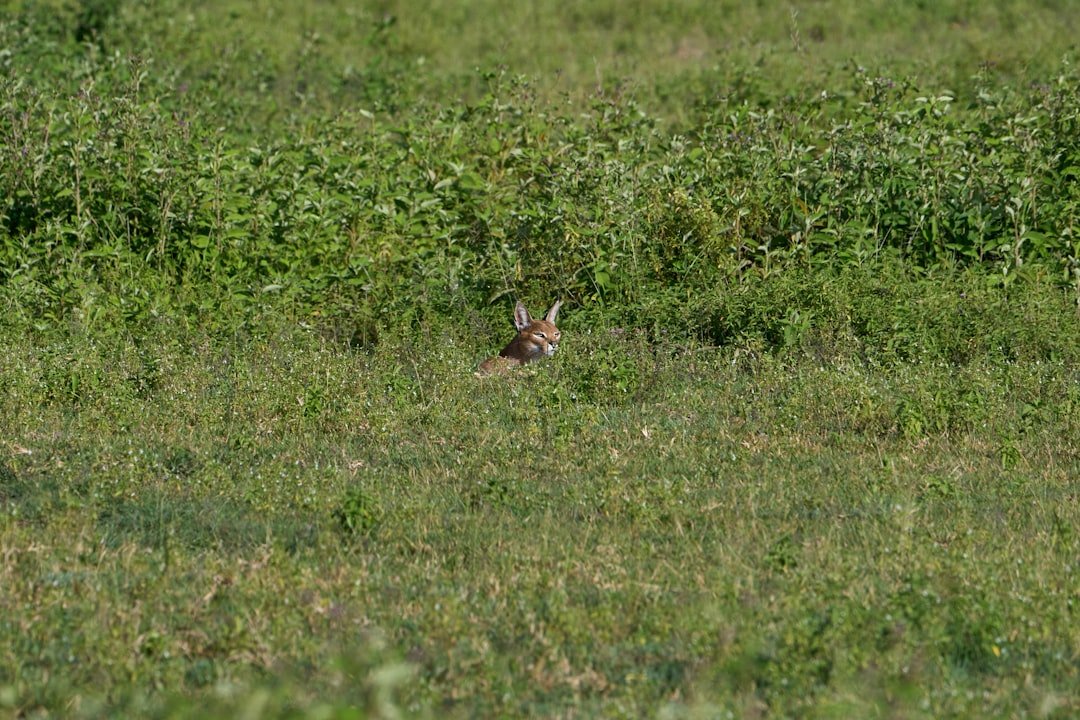
Best Time to Visit Each Tanzania National Park
| Park | Best Months | Why | Year-round? |
|---|---|---|---|
| Serengeti | Jan–Feb (calving) / Aug–Sep (crossings) | Migration phases, best game density | Yes |
| Ngorongoro Crater | Any month | Crater retains water — always full of wildlife | Yes (best view: Jun–Oct) |
| Tarangire | July–November | Elephant herds peak as they migrate in for dry season | Good year-round |
| Lake Manyara | June–October | Tree-climbing lions, large flamingo flocks | Yes but seasonal highlights |
| Ruaha | June–November | Remote, uncrowded, incredible predator density | June–Nov only (remote) |
| Selous/Nyerere | June–November | Boat safaris on Rufiji River, walking safaris | June–Nov (roads flood wet season) |
Best Time for Tanzania Safari by Travel Goal
| Your Priority | Best Months | Where to Go |
|---|---|---|
| Great Migration River Crossings | August–October | Northern Serengeti (Kogatende) |
| Wildebeest Calving Season | January–February | Ndutu / Southern Serengeti |
| Best Value / Low Crowds | April–May or November | Serengeti, Ngorongoro, Tarangire |
| Elephant Herds | July–November | Tarangire National Park |
| Birdwatching | November–April | Serengeti, Lake Manyara, Tarangire |
| Photography (dramatic light) | November–March | Ndutu, Serengeti, Ngorongoro |
| Combine Safari + Zanzibar Beach | June–October or Jan–Feb | Any Northern Circuit + Zanzibar |
| First-time Safari | June–July or October | Full Northern Circuit |
Tanzania Safari Weather: What to Expect
Tanzania's altitude keeps temperatures comfortable year-round. The Serengeti plains rarely exceed 30°C even in the hottest months. Key weather facts:
- Long rains: Late March to May — heavy, prolonged rain most days. Some roads impassable.
- Short rains: November to mid-December — brief afternoon showers only. Game drives unaffected.
- Dry season: June to October — virtually zero rain. Early mornings can be cold (10–15°C) on the Serengeti.
- Ngorongoro Crater rim: Can drop below 5°C at night year-round due to altitude (2,300m). Bring layers.
How Far in Advance Should You Book?
- August–September (peak): Book 9–12 months ahead for best camps and availability
- January–February (calving): Book 6–9 months ahead — demand is growing rapidly
- June–July & October: Book 4–6 months ahead
- April–May or November: 2–4 months ahead is usually fine
Plan Your Tanzania Safari with Local Experts
As a locally owned operator based in Arusha, we have real-time intelligence on wildlife movements, road conditions, and the best current opportunities across all parks. Our guides live here year-round — we know when the herds have crossed, which camps have the best game right now, and how to maximise every day of your safari regardless of season.
Browse our Tanzania safari packages — including our 10-day Northern Circuit safari covering Tarangire, Serengeti, and Ngorongoro — or contact us to build a custom itinerary around your ideal travel dates.
Frequently Asked Questions: Best Time for Tanzania Safari
What is the best month to go on safari in Tanzania?
For the Great Migration river crossings, August and September are the best months — the Mara River crossings in the northern Serengeti are at their peak. For calving season drama with fewer tourists, January and February are exceptional. For best value with great wildlife, June or October offer an ideal balance of game viewing and manageable prices.
What is the best time of year to see the Great Migration in Tanzania?
The migration is year-round in Tanzania. For the famous Mara River crossings: August–October in the northern Serengeti. For calving season: January–February in the southern Serengeti/Ndutu. For Grumeti River crossings: June–July in the Western Corridor. The migration never stops — only the location changes.
Is it worth going on safari in Tanzania in April or May?
Yes — if you can handle some limitations. April and May are the green season with heavy rains and some road closures. However, prices are 30–40% lower, parks are virtually empty, landscapes are stunningly lush, and birdlife is exceptional. Ngorongoro Crater and Tarangire are the safest bet in these months. Avoid remote camps that may be closed.
How many days do I need for a Tanzania safari?
A minimum of 5 nights/6 days covers the Northern Circuit (Tarangire, Serengeti, Ngorongoro). For a more relaxed experience with better wildlife photography opportunities, 7–10 days is ideal. Our 10-day Northern Circuit safari gives maximum time in each park for the best sightings across all seasons.
Is Tanzania good for safari in November?
November is one of Tanzania's most underrated months. The short rains come as brief afternoon showers that rarely disrupt morning game drives. Prices are lower than peak season, parks are less crowded, over 200 migratory bird species arrive, and the landscape is strikingly green and photogenic. Wildlife viewing is excellent across all Northern Circuit parks.
When is the cheapest time to go on safari in Tanzania?
April and May are the cheapest months for Tanzania safari — prices can be 30–40% lower than peak season. November is also excellent value. These months align with the rainy season, which keeps tourist numbers low. If your budget is a priority, May and November offer the best combination of value and still-good wildlife viewing.
What should I pack for a Tanzania safari?
Essential items: neutral-coloured clothing (khaki, olive, beige), lightweight layers for cool mornings and evenings, a fleece or jacket for Ngorongoro Crater night temperatures, high-SPF sunscreen, DEET insect repellent, a wide-brim hat, binoculars, and a camera with a zoom lens. Bring a rain jacket if visiting November–March. Tanzania uses Type D and G plugs (230V, 50Hz). See our full Tanzania safari packing list for a printable checklist.
Ready to Plan Your Tanzania Adventure?
Our local safari experts in Arusha will craft a personalized itinerary just for you. No obligation, free consultation.
Get Your Free Quote