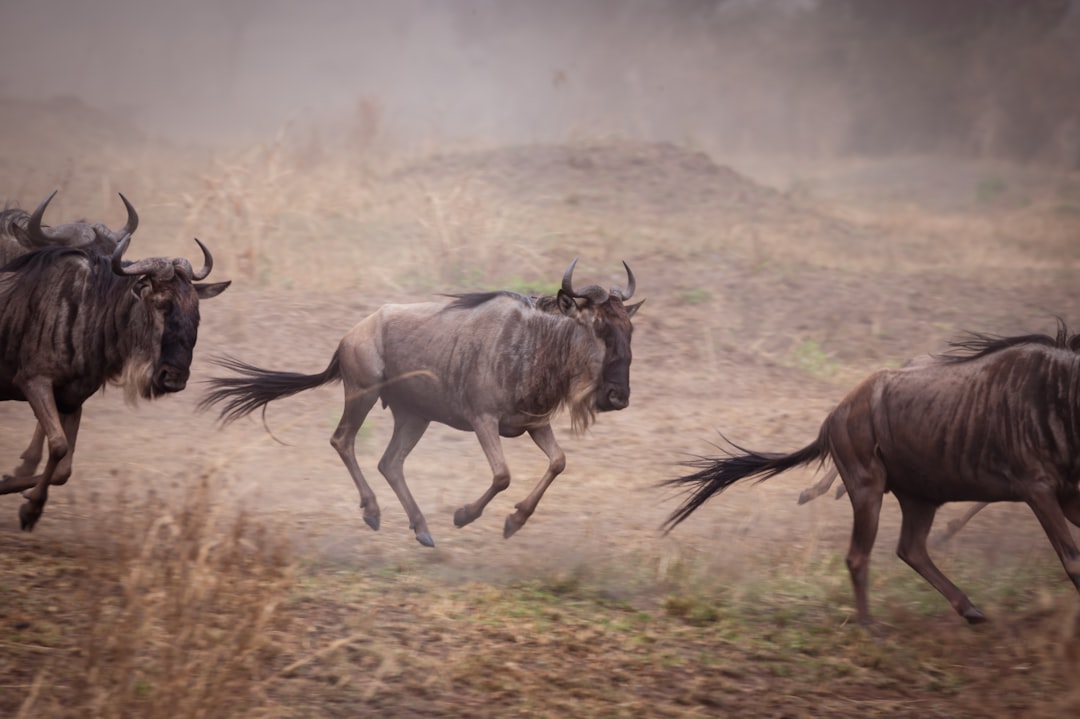
Great Migration Tanzania: When & Where to See the Wildebeest Crossings
The Great Migration is widely regarded as the greatest wildlife spectacle on Earth. Every year, over 1.5 million wildebeest, accompanied by 400,000 zebra and 200,000 gazelle, undertake a continuous circular journey across the Serengeti-Mara ecosystem in search of fresh grazing and water. This guide tells you exactly when and where to position yourself — month by month — to witness the most dramatic moments of this extraordinary natural event.
Understanding the Great Migration Cycle
Contrary to popular belief, the Great Migration is not a single event with a start and an end. It is a continuous, year-round circular movement covering approximately 800 kilometres through Tanzania's Serengeti National Park and Kenya's Masai Mara. The herds follow the rains, always moving toward areas of new grass growth.
The migration is broadly predictable based on historical rainfall patterns, but exact timing varies year to year by 2–4 weeks. Working with a local operator based in Tanzania who receives real-time intelligence from guides in the field is crucial for planning your trip around the migration's most dramatic moments.
Great Migration Calendar: Month by Month
Use this calendar to plan your safari around the migration phase that interests you most. All months offer extraordinary wildlife — the right choice depends on your priorities.
| Month | Location | Migration Phase | Key Experience | Tourist Crowds |
|---|---|---|---|---|
| January | Southern Serengeti / Ndutu | Calving season begins | First calves born, predator action | Low–Medium |
| February | Southern Serengeti / Ndutu | Peak calving | 500,000 calves born in 2–3 weeks | Medium |
| March | Southern Serengeti | Post-calving, herds still large | Massive herds on open plains | Low–Medium |
| April | Central Serengeti | Northward movement begins | Green season, dramatic skies | Very Low |
| May | Central Serengeti (Seronera) | Moving through central | Lush landscapes, uncrowded | Very Low |
| June | Western Corridor (Grumeti) | Grumeti River crossings | First river crossings, giant crocs | Medium |
| July | Western Corridor → Northern Serengeti | Grumeti → Mara transition | Crossings increasing, dramatic build-up | High |
| August | Northern Serengeti (Kogatende) | Peak Mara River crossings | Largest herds, most dramatic crossings | Very High |
| September | Northern Serengeti / Masai Mara | Peak Mara River crossings | Multiple crossings per day possible | Very High |
| October | Northern Serengeti | Herds beginning to turn south | Crossings continue, fewer crowds than Aug–Sep | High |
| November | Eastern / Central Serengeti | Return south migration | Long columns moving south, green grass | Low |
| December | Southern Serengeti / Ndutu | Herds settle south, calving imminent | Pre-calving concentration | Low–Medium |
January to March: Calving Season in the Southern Serengeti
As the short rains green up the nutrient-rich volcanic soils of the southern Serengeti and Ndutu plains, the massive herds concentrate here for calving season. This is one of the migration's most spectacular — and underrated — periods, and one that many safari-goers miss in their rush to see the river crossings.
What to expect during calving season:
- Approximately 500,000 calves are born during a concentrated 2–3 week window, typically peaking in late January to mid-February
- The open, flat Ndutu plains offer unobstructed 360-degree views of herds stretching to the horizon — exceptional for photography
- Predators — lions, cheetahs, leopards, hyenas, wild dogs, jackals — converge from across the ecosystem for the feast, creating near-constant predator-prey drama
- Newborn wildebeest can stand within minutes and run within hours — one of nature's most astonishing survival adaptations
- Calves born in the mass event have a survival advantage through sheer numbers — predators cannot take them all
The Ndutu area, straddling the border of the Serengeti National Park and the Ngorongoro Conservation Area, is the prime base for calving season. Ndutu Safari Lodge and several seasonal tented camps in this area offer excellent access to the calving grounds.
Best for: Wildlife photographers, first-time safari visitors, travelers who want dramatic action without peak-season prices or crowds. February is the single best month of the year for predator-prey interaction on the open plains.
April to May: Moving Through Central Serengeti
As the long rains arrive in April, the southern plains become waterlogged and the grass reaches its maximum height. The herds consume the available grazing and begin their northwestward march through the central Serengeti. This is the quietest period for tourism — many camps reduce capacity or close, and some roads are difficult after heavy rain.
However, for adventurous travelers willing to embrace the green season, April–May offers extraordinary rewards: dramatic storm-lit skies above vast herds, lush emerald landscapes, virtually private game viewing, and prices significantly lower than peak season. The Seronera Valley in the central Serengeti remains excellent for predators year-round.
Best for: Budget-conscious travelers, landscape photographers, visitors who prefer solitude over spectacle.
June to July: Grumeti River Crossings
By June, the herds have moved northwest and reach the Western Corridor — and their first major obstacle: the Grumeti River. Though smaller and shorter than the Mara River, the Grumeti is home to some of the largest Nile crocodiles in all of Tanzania, some exceeding 5 metres in length and weighing over 700 kilograms. These massive reptiles have evolved to specifically ambush the annual wildebeest crossing.
What to expect at the Grumeti crossings:
- Herds build up on the southern bank for days or even weeks before a critical mass triggers the crossing impulse
- When the lead animal enters, thousands follow in an explosive rush within seconds
- Crocodile attacks are frequent and visceral — this is nature's raw drama unfiltered
- Drownings and stampede injuries cause significant casualties; carcasses line the banks and attract vultures and other scavengers
- Far fewer safari vehicles here than at the Mara River crossings — a significantly more exclusive experience
The Grumeti concessions and private reserves — including Singita Grumeti and the Grumeti Game Reserve — offer some of the most exclusive and uncrowded migration viewing in the entire ecosystem. Access requires flying into the western Serengeti airstrips.
Best for: Visitors who want dramatic river crossings without the crowds of high season; luxury travelers seeking exclusivity.
August to October: Mara River Crossings — The Main Event
This is the period most associated with the Great Migration worldwide. By late July and throughout August, the herds reach the northern Serengeti — specifically the Kogatende area near the Kenya border — and face the Mara River. This wider, deeper, faster-flowing river is guarded by enormous crocodiles and flanked by steep banks that make crossing treacherous.
Why the Mara River crossings are the most dramatic wildlife event on Earth:
- The river is wider, deeper, and faster-flowing than the Grumeti, making crossings more dangerous and more spectacular
- Herds may attempt 3–6 crossings per day at different points along the river, or wait days before finally committing
- The largest crossings involve 50,000–80,000 animals in a single event that can last 2–4 hours
- Nile crocodiles up to 6 metres long hold position in the river; lions, leopards and hyenas patrol the banks
- Failed crossings — where the herd turns back mid-river and scrambles back up the bank — are as chaotic and dramatic as successful ones
- Herds cross back and forth multiple times between Tanzania and Kenya throughout this period
The northern Serengeti is more remote than the central and southern zones, requiring additional travel from Arusha — typically a flight into the Kogatende or Lamai airstrips. The reward is witnessing the single most dramatic wildlife spectacle on the planet.
Best for: Travelers who have planned their trip specifically around the migration and want the peak experience. Book 6–12 months ahead for August–September. Expect premium prices and some crowding at key crossing points.
November: The Return South
As Tanzania's short rains arrive in November, the southern Serengeti's grasses begin to green again and the herds respond instinctively. The great southward return begins — long columns of wildebeest moving through the eastern and central Serengeti. This transitional period is often overlooked but offers excellent photography: animals silhouetted against dramatic monsoon skies, with far fewer vehicles than peak season.
By late November and December, the herds are back in the southern Serengeti and Ndutu area, and the cycle prepares to begin anew with calving.
Where to Stay: Best Camps by Season
Positioning is the most critical decision for a migration safari. A great camp in the wrong location at the wrong time of year produces far fewer sightings than a simpler camp in exactly the right place. Here is how to align your accommodation with the migration:
| Period | Best Area | Camp Type | Key Experience |
|---|---|---|---|
| Dec–Mar | Ndutu / Southern Serengeti | Permanent lodge or seasonal tented camp | Calving season, predator action, flat open plains |
| Apr–May | Central Serengeti (Seronera) | Year-round lodge | Moving herds, green season, low prices |
| Jun–Jul | Western Corridor (Grumeti) | Private concession camp | Grumeti River crossings, exclusive access |
| Aug–Oct | Northern Serengeti (Kogatende) | Tented camp near Mara River | Mara River crossings, peak drama |
| Nov | Eastern / Central Serengeti | Year-round lodge | Return migration south, dramatic skies, low crowds |
Mobile camps that physically reposition throughout the year to follow the herds are the premium option for serious migration enthusiasts. These camps offer the highest chance of being in the right place at the right time, and are typically booked 12+ months in advance.
How to Increase Your Chances of Seeing a Crossing
River crossings are the most sought-after — and most unpredictable — event in all of wildlife safari. Here is how to maximise your chances:
- Stay at least 3 nights near the river. One night is a gamble; 3+ nights dramatically increases probability
- Go with an operator who has real-time field intelligence. Local guides with radio contact across the ecosystem know where the herds are building up — sometimes 24 hours before a crossing occurs
- Be at the river before 7am. Crossings most often begin in the morning when the light and temperature prompt movement. Mid-day crossings happen but are less common
- Have patience. A morning at the riverbank with no crossing is still extraordinary — you are watching 50,000 animals decide whether to risk their lives
- Choose August or September for peak probability. More animals, more crossing attempts, more days on either side of any given crossing
Great Migration Safari Costs
Migration safari costs vary significantly based on season, accommodation tier, and duration:
| Safari Type | Cost per Person per Day | Best For |
|---|---|---|
| Budget / camping | $150–$300 | Independent travelers, green season |
| Mid-range tented camp | $350–$600 | Comfortable tents, en-suite bathrooms, good guiding |
| Luxury lodge / camp | $600–$1,200 | Premium locations, excellent food, experienced guides |
| Exclusive / mobile camp | $1,200–$2,500+ | Private guides, best locations, fully all-inclusive |
A 7-night migration-focused safari typically costs $2,500–$15,000+ per person including accommodation, meals, game drives, and park fees — but excluding international flights. The Northern Circuit safari packages at iTanzania Safaris start from $2,100 per person for a week-long itinerary.
Note on peak season pricing: August and September command a 20–40% premium over shoulder months at most camps. Calving season (January–February) offers some of the best wildlife viewing at mid-season rates — arguably the best value period of the year.
Packing for a Migration Safari
- Binoculars — 8x42 or 10x42 are ideal for watching herds at distance and tracking crossing build-ups
- Camera with long zoom lens — 400mm+ for wildlife; a 100–400mm zoom is the versatile choice
- Neutral colours — khaki, olive, brown, grey. No white or bright colours that startle animals
- Layers — early morning game drives in open vehicles are cold; afternoon is hot. Temperatures swing 15°C+ in a single day
- Dust protection — the dry season crossing period (August–October) generates significant dust. A buff/scarf and sunglasses are essential
- Patience — the most important item you can bring
Frequently Asked Questions About the Great Migration
When is the Great Migration in Tanzania?
The Great Migration is a year-round event in Tanzania. The wildebeest calving season runs January–March in the southern Serengeti near Ndutu. The Grumeti River crossings happen June–July in the Western Corridor. The famous Mara River crossings — the dramatic peak of the migration — occur August–October in the northern Serengeti (Kogatende area).
Which month is best to see the wildebeest migration?
August and September are widely considered the best months. This is when the largest Mara River crossings occur, with herds of 50,000+ animals at once. However, February (calving season — 500,000 calves born) and June–July (Grumeti crossings, fewer crowds) are equally spectacular in different ways.
How long does the Great Migration last?
The Great Migration is continuous — it never stops. As a year-round circular movement covering 800km, the wildebeest are always migrating somewhere. The most dramatic phases (river crossings) span approximately 5 months total: Grumeti (June–July) and Mara (August–October).
Where exactly do I go to see the Mara River crossings?
Stay in the northern Serengeti, specifically the Kogatende area. Crossing points are concentrated along a 10km stretch of the Mara River in this region. Most camps in the area are positioned within 15–30 minutes' drive of the best crossing points. Access is via the Kogatende or Lamai airstrips.
How much does a Great Migration safari cost?
Mid-range migration safaris cost approximately $350–$600 per person per day. Luxury and mobile camps run $800–$2,500+ per day. A 7-night itinerary covering the Mara crossings typically costs $2,500–$12,000 per person including accommodation, meals, game drives, and park fees.
Do the wildebeest cross the river every day?
No — crossings are unpredictable. Herds may gather on the riverbank for 3–5 days before crossing, or attempt multiple crossings in a single day. A single animal triggers the herd to follow. Staying 3+ nights near the Mara River is the most effective way to guarantee witnessing a crossing.
Is the Great Migration only in Tanzania?
The migration crosses both Tanzania and Kenya. The wildebeest spend roughly 10 months per year in Tanzania's Serengeti and 2 months in Kenya's Masai Mara (August–October). Tanzania offers the complete migration including the calving season, which cannot be seen in Kenya. For the full experience, Tanzania is the better base.
Book Your Great Migration Safari
Planning a migration safari requires matching your travel dates to the exact phase of the migration you want to witness — and knowing which camps to book for each phase. As a locally operated safari company in Arusha, we receive daily field reports from our guides throughout the Serengeti, giving us real-time knowledge of where the herds are and where they are heading.
We design migration itineraries that adapt to conditions — if the herds shift north earlier than expected, we can reposition your camp bookings accordingly. Contact our team to start planning, or browse our Serengeti safari packages for itineraries and pricing starting from $2,100 per person.
You may also find our guides useful: the month-by-month Great Migration Serengeti calendar and our complete guide to the best time to visit Tanzania for safari.
Ready to Plan Your Tanzania Adventure?
Our local safari experts in Arusha will craft a personalized itinerary just for you. No obligation, free consultation.
Get Your Free Quote