Tansania Fakten: 50 Dinge, die Sie über Afrikas größtes Wildtierland wissen müssen
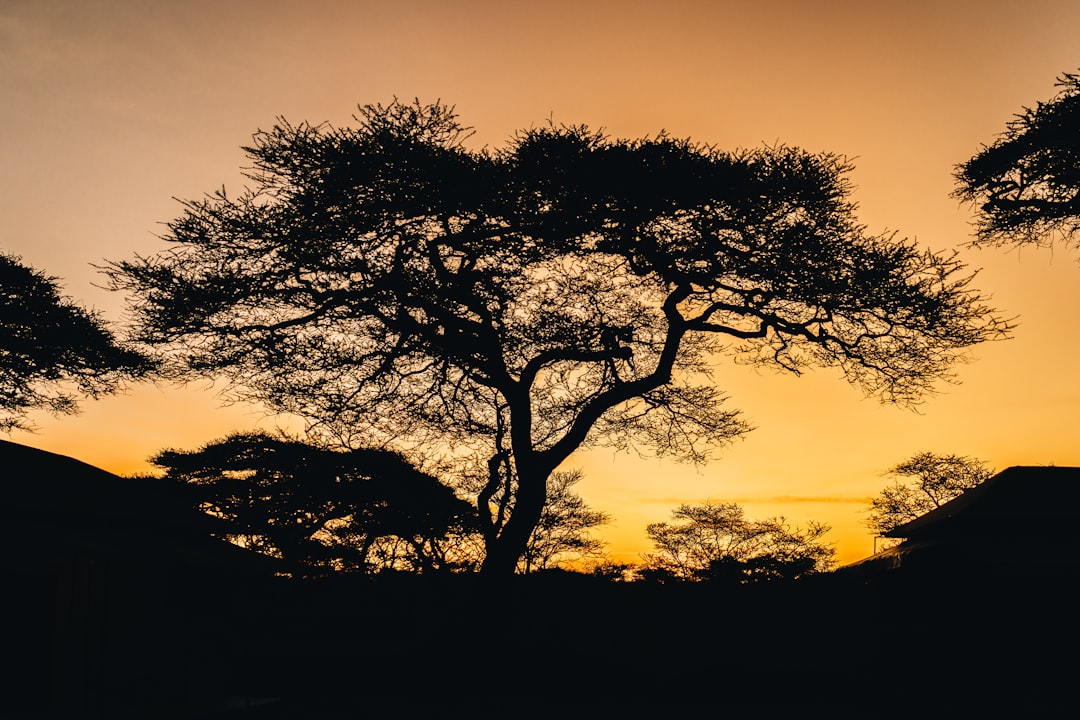
Tanzania is one of East Africa's most fascinating countries — and one of its most misunderstood by first-time visitors. Formed from the union of mainland Tanganyika and the islands of Zanzibar in 1964, it is a nation of extraordinary geographic diversity, cultural richness, and ecological importance. Here are the essential facts about Tanzania that every visitor should know.
Tanzania at a Glance
| Fact | Detail |
|---|---|
| Official name | United Republic of Tanzania |
| Capital (administrative) | Dodoma (since 1974) |
| Largest city | Dar es Salaam |
| Safari gateway | Arusha |
| Area | 945,087 km² (365,000 sq miles) — about twice the size of California |
| Population | Approximately 65 million (2024 estimate) |
| Official languages | Swahili (national) and English (official) |
| Ethnic groups | 120+ ethnic groups (no dominant majority) |
| Currency | Tanzanian Shilling (TZS); US dollars widely accepted |
| Religion | Christian (~57%), Muslim (~35%), Traditional (~5%), Other |
| Time zone | East Africa Time (EAT) — UTC+3 |
| Independence | December 9, 1961 (mainland Tanganyika) |
| Union with Zanzibar | April 26, 1964 |
| Government | Presidential constitutional republic |
| President (2024–) | Samia Suluhu Hassan (Africa's first female president, first in East Africa) |
Tanzania's Geography: The Record-Breaking Numbers
Tanzania's geography is extraordinary even by African standards:
- Highest point in Africa: Mount Kilimanjaro at 5,895m (19,341 ft) — a freestanding volcanic mountain and the world's largest
- Deepest lake in Africa: Lake Tanganyika at 1,470m depth — second deepest lake in the world after Lake Baikal in Russia
- Largest lake in Africa: Lake Victoria (shared with Uganda and Kenya) covers 68,800 km²
- Longest lake in Africa: Lake Tanganyika stretches 676 km from north to south
- Largest national park in Africa: Nyerere National Park (formerly Selous) at 54,600 km²
- Largest protected area in Africa: The Ngorongoro Conservation Area + Serengeti ecosystem
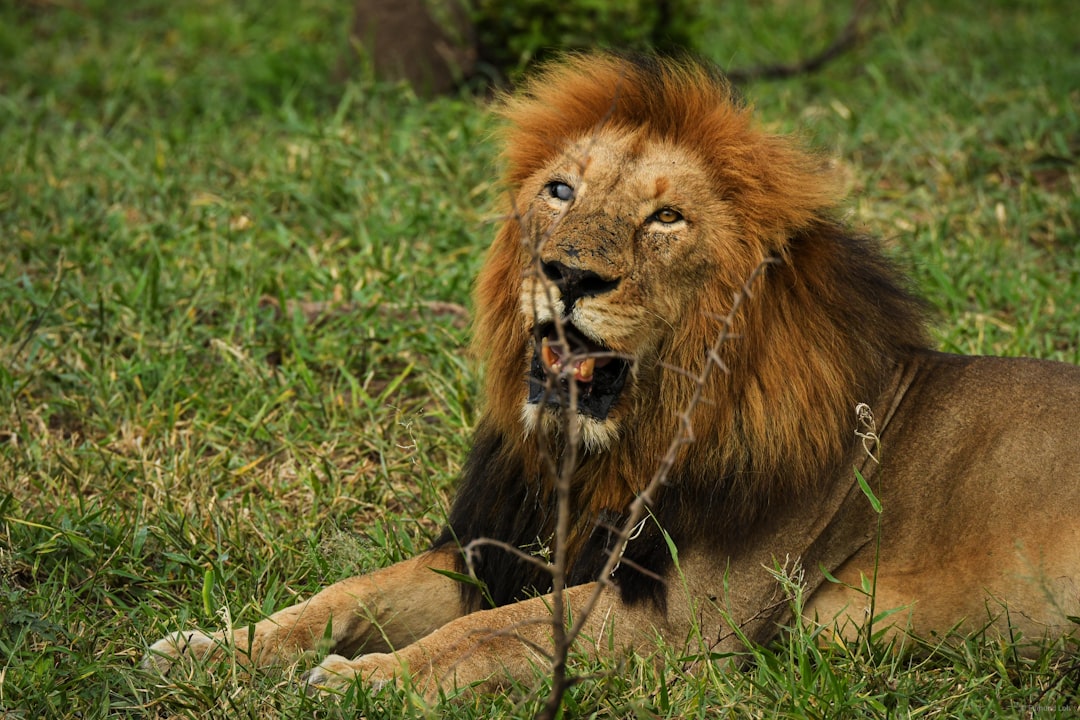
- Africa's largest population of lions: Tanzania has ~8,000–10,000 lions, ~40% of Africa's remaining population
National Parks and Protected Areas
Tanzania has one of the most impressive conservation systems in Africa. Protected areas cover approximately 38% of Tanzania's total land area — one of the highest percentages on the continent.
| Park / Area | Size | Famous For |
|---|---|---|
| Nyerere National Park | 54,600 km² | Wild dogs, elephant, hippo, boat safaris |
| Serengeti National Park | 14,763 km² | Great Migration, Big Five, big cats |
| Ruaha National Park | 22,000 km² | Large lions, wild dogs, solitude |
| Ngorongoro Conservation Area | 8,292 km² | Crater, black rhino, highest lion density |
| Tarangire National Park | 2,850 km² | Largest elephant herds, baobab trees |
| Lake Manyara National Park | 325 km² | Tree-climbing lions, flamingos |
| Gombe Stream National Park | 52 km² | Jane Goodall's chimpanzee research site |
| Mahale Mountains | 1,613 km² | Chimpanzees in remote mountain forest |
Tanzania's People: 120 Ethnic Groups, One Nation
Tanzania is home to approximately 120 distinct ethnic groups — a fact that might suggest division but has instead created remarkable national cohesion. Unlike neighbouring Kenya, where ethnic politics regularly create tension, Tanzania's tribes were unified under a single Swahili national identity by founding president Julius Nyerere. The policy — "Ujamaa" (familyhood) — created a genuinely national identity over tribal ones.
Major ethnic groups:
- Sukuma: Tanzania's largest ethnic group (~16% of population), primarily around Lake Victoria; primarily farmers
- Chagga: From the Kilimanjaro slopes; historically the most educated group; known for irrigation systems and coffee farming
- Haya: Lake Victoria region; known for traditional kingdom governance and banana beer
- Nyamwezi: Central Tanzania; historically major trade route participants connecting coastal and interior Africa
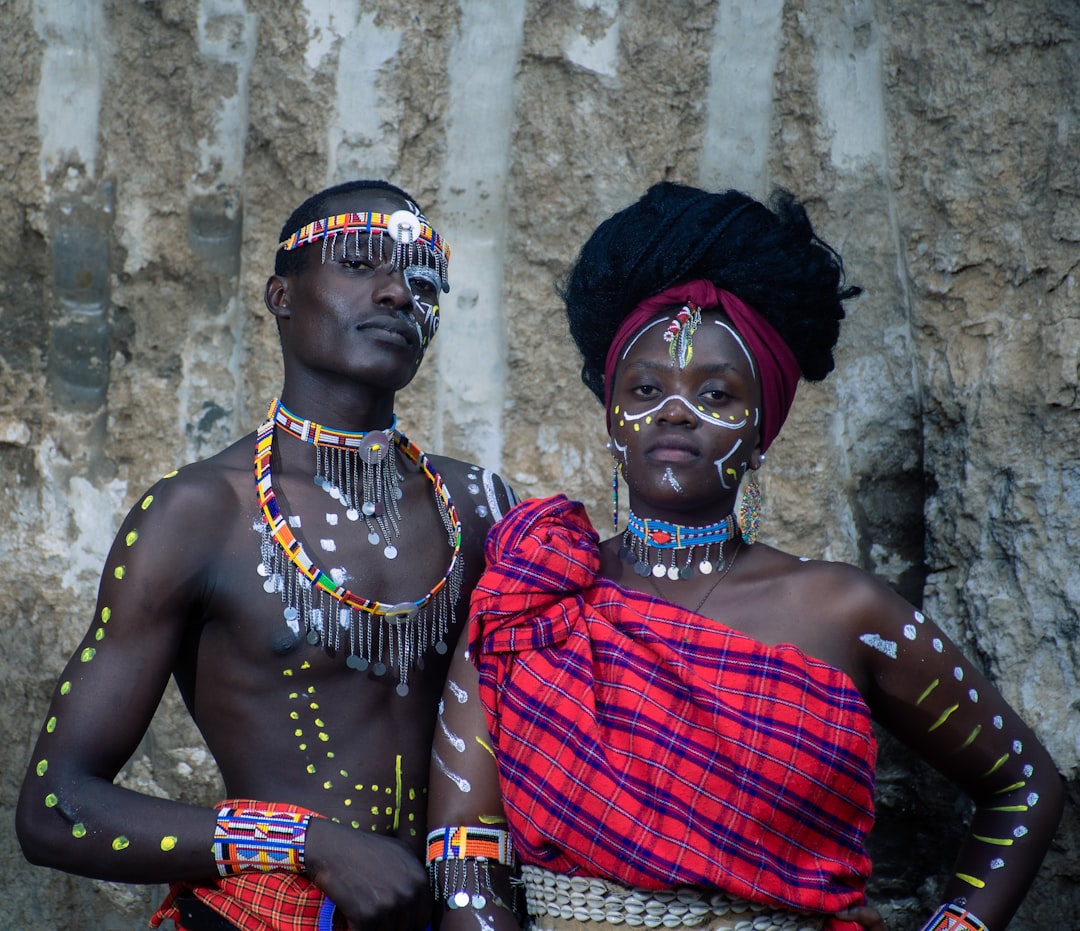
- Maasai: Semi-nomadic pastoralists spanning Tanzania and Kenya; famous worldwide for their distinctive red clothing, cattle culture, and warrior traditions
- Hadza: Hunter-gatherers near Lake Eyasi; one of the last hunter-gatherer societies in Africa; speak a click language unrelated to any other
- Datoga: Pastoralists near Lake Eyasi; famed blacksmiths who trade metal arrowheads and jewellery
- Arab-Swahili coastal communities: Descendants of centuries-old Arab, Persian, and African intermarriage along the Indian Ocean coast and Zanzibar
Tanzania's Economy
Tanzania is one of Africa's fastest-growing economies, driven by tourism, mining, agriculture, and natural gas (offshore discoveries have made Tanzania a potential major LNG exporter).
- Tourism: Tanzania's largest foreign exchange earner. The sector contributes approximately 17% of GDP. In 2023, Tanzania received over 1.5 million international visitors generating over $2.5 billion in revenue.
- Agriculture: Employs ~65% of the population. Key crops: coffee (the best is from Kilimanjaro and Ngorongoro highlands), tea, sisal, cashews, and cotton.
- Mining: Tanzania is the world's only source of tanzanite (found only in one location near Kilimanjaro). Also exports gold (one of Africa's top 5 producers), diamonds, and gemstones.
- Natural gas: Massive offshore discoveries in the 1990s–2000s position Tanzania as a future major LNG exporter when infrastructure is complete.
Tanzania's Climate Zones
Tanzania spans the equator and has dramatically different climates by altitude and geography:
| Zone | Climate | Temperature Range |
|---|---|---|
| Coastal (Dar es Salaam, Zanzibar) | Hot and humid, two rainy seasons | 24–33°C year-round |
| Northern highlands (Arusha, NCA) | Temperate, cool, seasonal rains | 8–28°C |
| Serengeti plains | Semi-arid savanna, seasonal rains | 12–35°C |
| Central plateau | Semi-arid, hot, little rain | 20–38°C |
| Mountain slopes (Kilimanjaro) | Multiple zones from tropical to arctic ice | -15°C (summit) to 30°C (base) |
| Southern highlands | Cooler, wetter | 15–28°C |
Food and Cuisine in Tanzania
Tanzanian cuisine reflects the country's diverse cultural heritage — Swahili coastal flavours influenced by Arab and Indian trade, upcountry starchy staples, and the spice islands of Zanzibar:
- Ugali: The national staple — a stiff porridge made from maize (or sometimes cassava) flour, eaten with meat, fish, or vegetable stew. Similar to sadza in Zimbabwe or nsima in Malawi.
- Nyama choma: "Roasted meat" — char-grilled goat or beef, the centrepiece of Tanzanian social eating. Found everywhere from high-end Arusha restaurants to roadside grills.
- Pilau: A spiced rice dish with Indian and Arab origins, cooked with cinnamon, cloves, cardamom, cumin, and black pepper. Found across Tanzania but especially on the coast.
- Mandazi: A slightly sweet, coconut-flavoured deep-fried dough — Tanzania's equivalent of a doughnut, eaten for breakfast with chai.
- Zanzibar pizza: A unique street food from Stone Town — thin dough folded around fillings (meat, egg, cheese, vegetables) and griddled. Nothing like Italian pizza. Completely delicious.
- Fresh fruit: Mangoes, pineapples, passion fruit, papayas, and coconuts are abundant and extraordinary in flavour compared to imported equivalents elsewhere.
- Tanzanian coffee: Kilimanjaro single-origin coffee (arabica grown at high altitude on the mountain's slopes) is exceptional — fruity, clean, and complex. Significantly better than international commodity coffee.
- Konyagi: Tanzania's local gin-like spirit, distilled from sugarcane. Affordable and popular locally.
Tanzania's UNESCO World Heritage Sites
Tanzania has seven UNESCO World Heritage Sites — more than almost any other African country:
- Serengeti National Park — the Great Migration and one of the world's most important wildlife areas
- Ngorongoro Conservation Area — the crater and its unique ecosystem; also contains Olduvai Gorge, one of the most important paleoanthropological sites on Earth
- Kilimanjaro National Park — Africa's highest peak and its unique alpine ecosystems
- Stone Town of Zanzibar — a trading port of exceptional cultural and architectural significance with Arab, Indian, African, and European influences
- Selous Game Reserve (now Nyerere NP) — one of the largest protected wildlife areas in Africa
- Ruins of Kilwa Kisiwani and Songo Mnara — remarkable mediaeval Swahili coastal trade ports
- Kondoa Rock Art Sites — prehistoric cave paintings dating back at least 2,000 years
Historical Facts Every Tanzania Visitor Should Know
- Olduvai Gorge (within the Ngorongoro Conservation Area) is where Louis and Mary Leakey made the paleoanthropological discoveries that shaped our understanding of human evolution. Fossils found here show our earliest ancestors walked upright nearly 2 million years ago.
- Tanzania was part of the Swahili Coast trade network from around 800 AD — connecting East Africa, Arabia, Persia, India, and China. The Arab-influenced stone architecture of Kilwa Kisiwani, Zanzibar's Stone Town, and numerous coastal ruins are physical legacies of this trade.
- The slave trade through Zanzibar was one of history's most brutal — the island was the largest slave market in East Africa, exporting an estimated 50,000 people per year to Arabia, Persia, and India at its peak. The slave trade was abolished in 1873 under British pressure on the Sultan of Zanzibar.
- Tanganyika gained independence from Britain on December 9, 1961 under Julius Nyerere, one of Africa's most respected founding leaders. Zanzibar became independent in December 1963 and merged with Tanganyika to form Tanzania on April 26, 1964.
- Julius Nyerere ("Mwalimu" — Teacher) is Tanzania's founding hero. His portrait is on the Tanzanian shilling. He is genuinely beloved — not for economic achievements (his socialist policies produced mixed results) but for his extraordinary unification of a multi-ethnic, multi-linguistic nation and his personal integrity and intellectual depth.
Tanzania and Wildlife Conservation: Why It Matters
Tanzania is arguably the most important country in the world for African wildlife conservation. This is not marketing language — it is measurable fact:
- ~40% of Africa's lions live in Tanzania
- The Serengeti ecosystem contains the world's largest mammal migration (1.5 million wildebeest, 250,000 zebra, 500,000 gazelle)
- Tanzania has the largest population of African elephants in East Africa
- Gombe Stream National Park is where Jane Goodall conducted the longest continuous field study of any animal species in history — 60+ years of chimpanzee research
- 38% of Tanzania's land area is formally protected — one of the highest conservation percentages of any country
When you visit Tanzania on safari, tourism revenue directly funds this conservation. National park fees, lodge revenues, and the livelihoods of guides, rangers, and lodge staff are all financed by visitor spending. A Tanzania safari is not just a holiday — it is direct participation in one of the world's most important wildlife conservation systems.
Ready to experience Tanzania for yourself? Talk to our team in Arusha — we are here to help you plan the right trip.
Bereit Ihr Tansania Abenteuer zu planen?
Unsere lokalen Safari Experten in Arusha werden eine personalisierte Reiseroute speziell für Sie erstellen. Ohne Verpflichtung, kostenlose Beratung.
Holen Sie sich Ihr kostenloses Angebot