Kilimanjaro Besteigungstouren
Stehen Sie auf dem Gipfel Afrikas höchstem Berg auf 5.895m. Professionelle Guides, hochwertige Ausrüstung und ein Erlebnis das Sie niemals vergessen werden.
Finden Sie Ihren Weg zum Gipfel
Jede Route bietet ein einzigartiges Erlebnis. Wählen Sie basierend auf Ihrer Fitnessstufe, Zeit und der Landschaft die Sie bevorzugen.
| Eigenschaft | Machame | Lemosho | Marangu |
|---|---|---|---|
| Dauer | 7 Tage | 8 Tage | 6 Tage |
| Schwierigkeit | Moderat-Schwer | Moderat | Moderat |
| Erfolgsquote | 90%+ | 95%+ | 80%+ |
| Landschaft | Ausgezeichnet | Am besten | Gut |
| Unterkunft | Camping | Camping | Hütten |
| Menschenmenge | Mittel | Niedrig | Hoch |
Choose Your Route
Three world-class routes, all guided by KINAPA-certified professionals with a 90%+ summit success rate. Add routes to your enquiry kart to compare, then send us one enquiry.
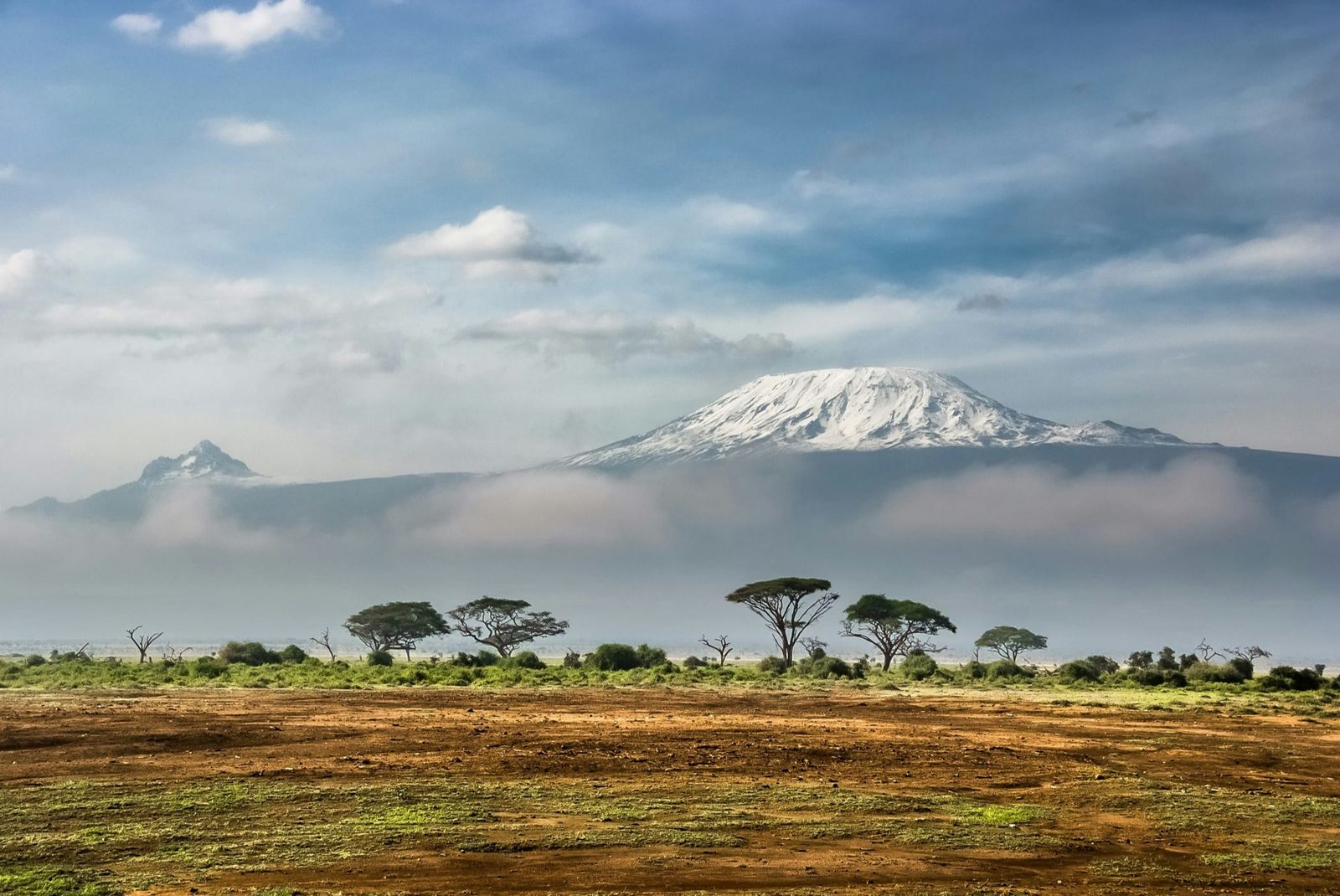 Most Popular
Machame Route
The scenic "Whiskey Route" — dramatic ridge walking, varied vegetation zones, and excellent summit views. Best for fit hikers who want the full Kilimanjaro experience.
Highest Success
Lemosho Route
The finest route on the mountain — long approach through pristine forest, superb acclimatisation, and the best summit success rate. Ideal for those who want to maximise their chances.
Classic Route
Marangu Route
The original Kilimanjaro route — the only one with hut accommodation. Shorter duration makes it ideal for travellers with limited time. KINAPA-certified guides throughout.
Planen Sie Ihr Kilimanjaro Abenteuer
Kontaktieren Sie uns für ein personalisiertes Kilimanjaro Besteigungsangebot. Wir schneiden die perfekte Route und das perfekte Paket an Ihre Erfahrungsstufe und Ihr Budget an.
Kilimanjaro FAQ
Wichtige Antworten für die Planung Ihrer Kilimanjaro Besteigung.
Wie fit muss ich sein um Kilimanjaro zu besteigen?
Welche Kilimanjaro Route hat die höchste Erfolgsquote?
Wann ist die beste Zeit Kilimanjaro zu besteigen?
Ist Höhenkrankheit ein Problem beim Kilimanjaro?
Empfohlene Artikel
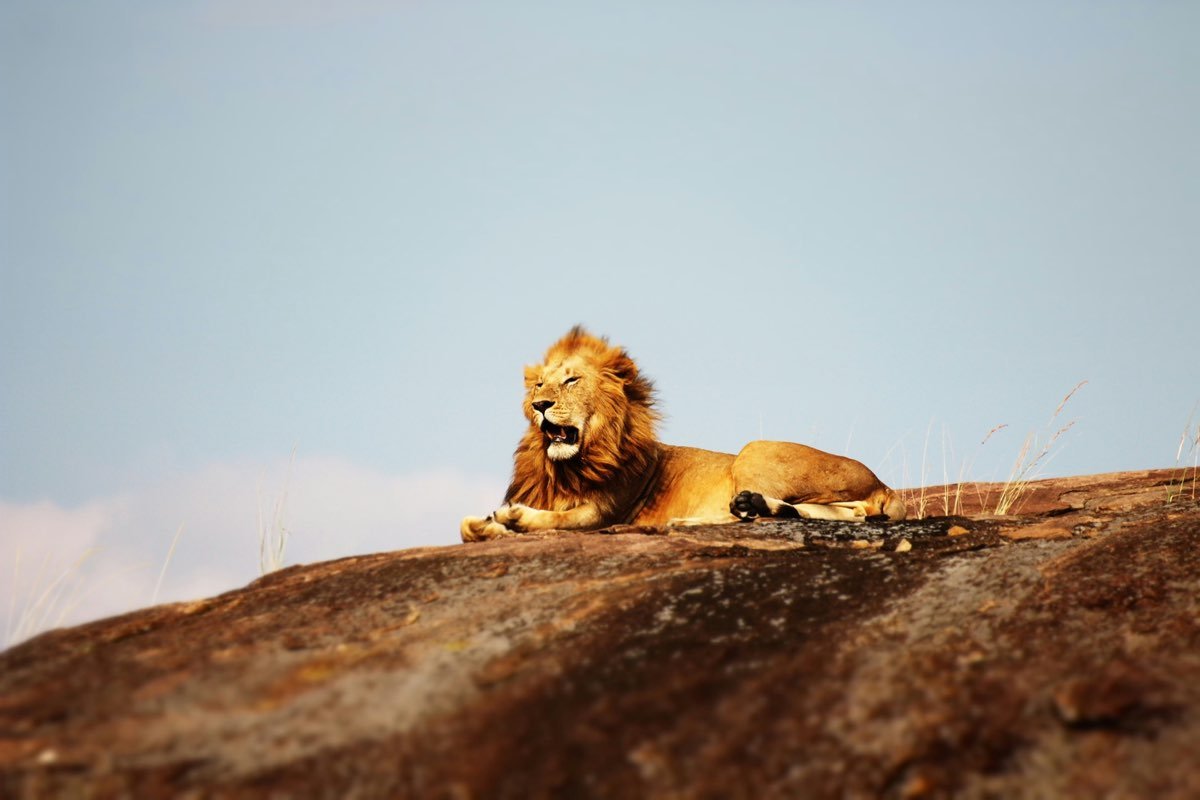 Planung
Tanzania Safari Packliste 2026: Ausrüstung & Kleidung Guide
Vergessen Sie nichts mit unserer von Experten zusammengestellten Tanzania-Safari-Packliste. Von neutraler Kleidung über Kameraausrüstung bis hin zu Gesundheitsmitteln.
Artikel lesen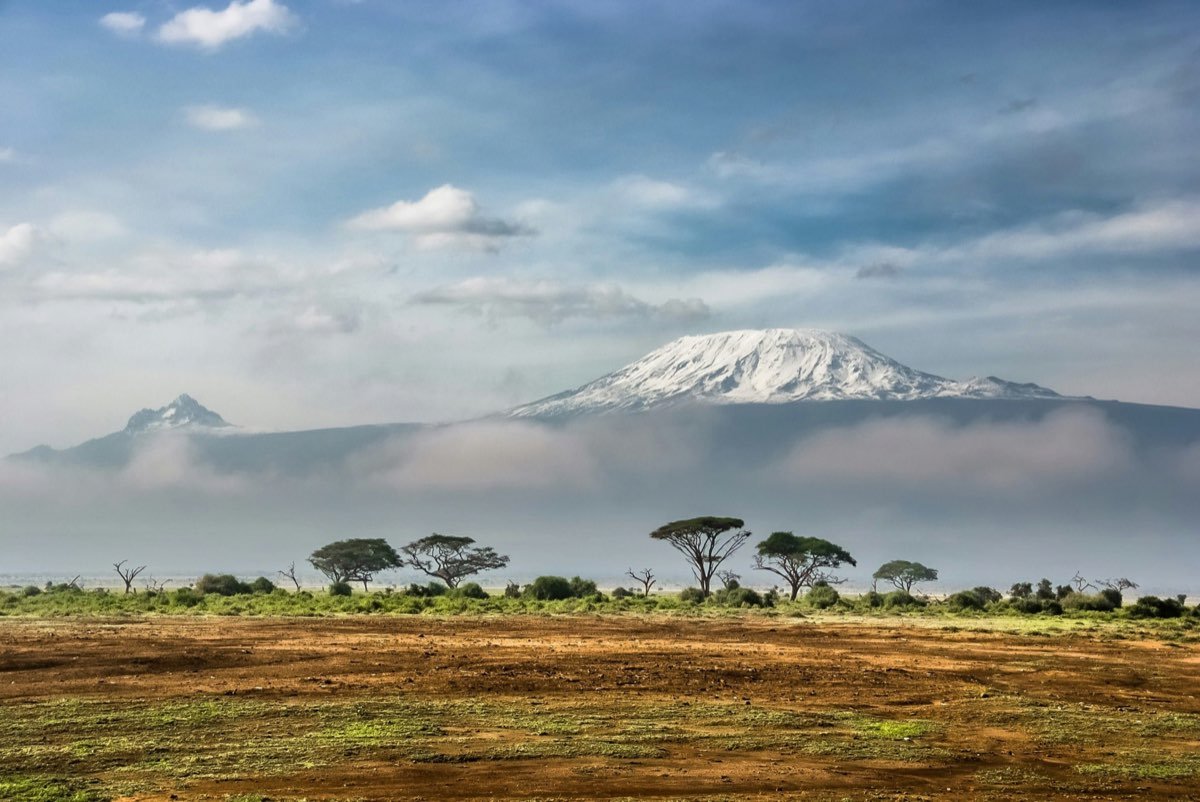 Kilimanjaro
Kilimanjaro Besteigungsguide: Routen, Kosten & Erfolgsquoten 2026
Planen Sie Ihren Kilimanjaro-Gipfel mit unserem umfassenden Kletterführer. Vergleichen Sie alle Routen, Kosten, Erfolgsquoten und erhalten Sie Expertentipps.
Artikel lesen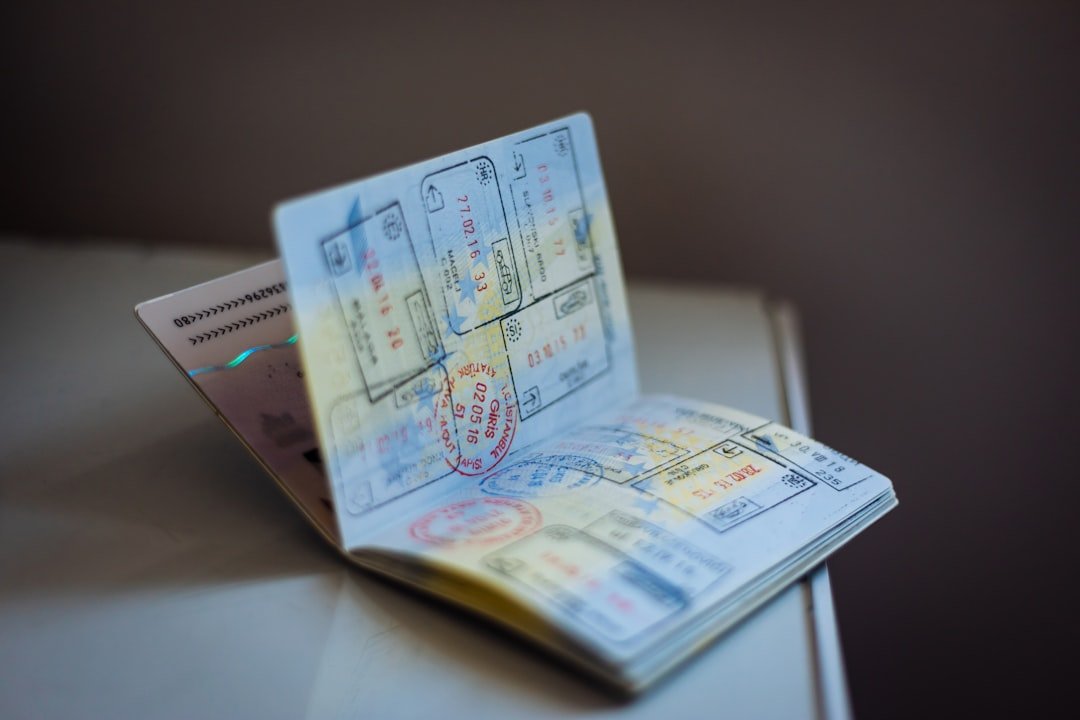 Planung
Tanzania Visaanforderungen & Impfungen: Reisegesundheitsguide 2026
Alles, was Sie über die Tanzania-Einreiseanforderungen, Touristenvisa, Pflichtimpfungen, Malariaschutz und Reiseversicherung für Safari wissen müssen.
Artikel lesenKilimanjaro Climbing FAQ
Most Kilimanjaro climbs take 6–9 days depending on the route. The Marangu route is 6 days, Machame 7 days, and Lemosho 8 days. Longer routes offer better acclimatization and higher summit success rates. We recommend a minimum of 7 days for the best chance of reaching Uhuru Peak (5,895m).
iTanzania Safaris achieves a 90%+ summit success rate thanks to our KINAPA-certified guides, proper acclimatization schedules, and individualized pace management. Overall rates across the mountain range from 45–85% depending on route and operator.
Packages start from $2,100 per person for the 6-day Marangu route, up to $3,800+ for the 9-day Northern Circuit. Price includes park fees (~$700), all camping equipment, meals, guides, porters, and rescue fees. International flights are not included.
The Lemosho route (8 days) is considered the best overall — excellent scenery, good acclimatization, and moderate crowds. The Machame route (7 days) is the most popular. The Marangu route (6 days) is the only route with hut accommodation.
No technical climbing experience is required. Kilimanjaro is a trekking peak. However, good cardiovascular fitness is essential — we recommend a 3–4 month training program focusing on hiking, cardio, and leg strength before your climb.
The best times are January–March and June–October when conditions are driest. The rainy seasons (April–May and November) bring more challenging conditions but fewer crowds and lower prices.