Große Migration Tanzania: Wann & Wo die Gnus-Überquerungen sehen
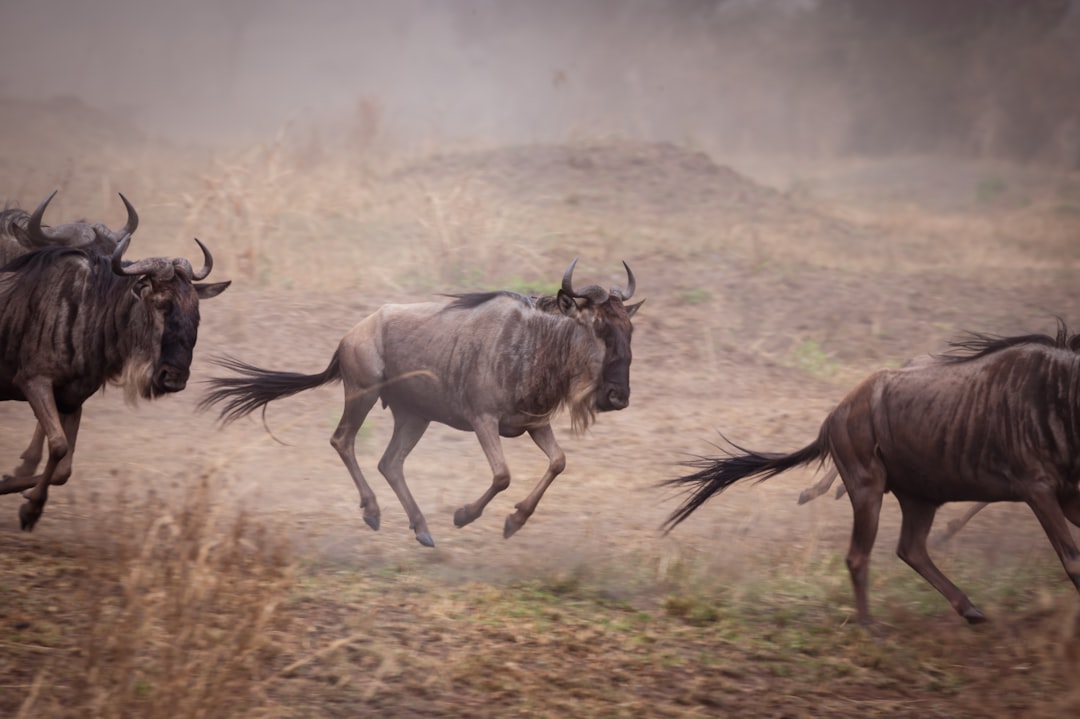
The Great Migration follows a circular route through Tanzania year-round. Calving season: January–February (Southern Serengeti/Ndutu). Grumeti River crossings: June–July (Western Corridor). Mara River crossings: July–October (Northern Serengeti). The migration never stops — only the location changes each season.
Die Große Migration gilt weithin als das größte Wildtierschauspiel der Erde. Jedes Jahr unternehmen über 1,5 Millionen Gnus, begleitet von 400.000 Zebras und 200.000 Gazellen, eine kreisförmige Reise durch das Serengeti-Mara-Ökosystem auf der Suche nach frischem Grasland und Wasser. Dieser Leitfaden zeigt Ihnen genau, wann und wo Sie sich positionieren müssen, um die dramatischsten Momente dieses außergewöhnlichen Naturereignisses zu erleben.
Den Migrationskreislauf verstehen
Entgegen der landläufigen Meinung ist die Große Migration kein einzelnes Ereignis und keine einfache Reise von A nach B. Es handelt sich um eine kontinuierliche, ganzjährige kreisförmige Bewegung von rund 800 Kilometern durch den Serengeti-Nationalpark in Tansania und die Masai Mara in Kenia. Die Herden folgen dem Regen und ziehen dorthin, wo neues Gras wächst.
Die Migration ist auf Grundlage historischer Regenmuster grob vorhersehbar, aber das genaue Timing variiert von Jahr zu Jahr. Die Zusammenarbeit mit einem in Tansania ansässigen Veranstalter, der über Echtzeit-Informationen zu Herdenstandorten verfügt, ist entscheidend für die Planung Ihrer Reise rund um die Migration.
Dezember bis März: Kalbungszeit in der Südlichen Serengeti
Wenn die kurzen Regen die nährstoffreichen vulkanischen Böden der südlichen Serengeti und der Ndutu-Ebenen befeuchten, konzentrieren sich die riesigen Herden hier zur Kalbungszeit. Dies ist eine der spektakulärsten – und unterschätztesten – Phasen der Migration.
Was Sie erwarten können:
- Rund 500.000 Kälber werden in einem konzentrierten Zeitraum von 2–3 Wochen geboren, typischerweise im Februar
- Die offenen, flachen Ebenen bieten ungehinderte Sicht auf Herden, die bis zum Horizont reichen
- Raubtiere (Löwen, Geparden, Hyänen, Wildhunde) versammeln sich zum Festmahl und sorgen für non-stop Raubtier-Beute-Aktionen
- Kälber können innerhalb von Minuten nach der Geburt stehen und laufen – eine bemerkenswerte Überlebensanpassung
Das Ndutu-Gebiet, an der Grenze zwischen der Serengeti und dem Ngorongoro-Schutzgebiet gelegen, ist der ideale Beobachtungsort. Einige unserer besten Tierfotos stammen von Safaris während der Kalbungszeit.
April bis Mai: Durch die Zentrale Serengeti
Mit dem Einsetzen der langen Regen werden die südlichen Ebenen überschwemmt und das Gras aufgezehrt. Die Herden beginnen ihren Marsch nordwestwärts durch die zentrale Serengeti. Dies ist die ruhigste Tourismusperiode, mit geschlossenen Camps und möglicherweise anspruchsvollen Straßenverhältnissen.
Für abenteuerlustige Reisende bietet die Grüne Saison jedoch dramatische Gewitterhimmel, üppige Landschaften und nahezu private Wildtierbeobachtung zu deutlich günstigeren Preisen.
Juni bis Juli: Grumeti-Flussüberquerungen
Die Herden erreichen den Westlichen Korridor und stehen vor ihrem ersten großen Hindernis: dem Grumeti-Fluss. Obwohl kleiner als der Mara-Fluss, beherbergt der Grumeti einige der größten Nilkrokodile der Serengeti, manche davon über 5 Meter lang.
Was Sie erwarten können:
- Herden stauen sich manchmal tagelang an den Flussufern an, bevor eine kritische Masse eine Überquerung auslöst
- Überquerungen können explosiv sein – Tausende Tiere stürzen sich gleichzeitig ins Wasser
- Krokodilattacken, Ertrinken und Massenpanik erzeugen rohe, intensive Dramatik
- Deutlich weniger Safarivehicle als bei den späteren Mara-Flussüberquerungen
Die Grumeti-Konzessionen bieten einige der exklusivsten und ruhigsten Migrationssichtungen im gesamten Ökosystem.
August bis Oktober: Mara-Flussüberquerungen – Das Hauptereignis
Dies ist der Zeitraum, den die meisten Menschen mit der Großen Migration verbinden. Die Herden erreichen die nördliche Serengeti (Kogatende-Gebiet) und müssen den Mara-Fluss überqueren – eine gewaltige Barriere aus schnell fließendem Wasser, steilen Ufern und riesigen Krokodilen.
Warum die Mara-Überquerungen so dramatisch sind:
- Der Fluss ist breiter, tiefer und gefährlicher als der Grumeti
- Herden können an einem Tag mehrmals an verschiedenen Stellen des Flusses versuchen zu überqueren
- Manche Überquerungen umfassen 50.000+ Tiere in einem einzigen Ereignis, das stundenlang dauert
- Krokodile von bis zu 6 Metern lauern im Wasser; Löwen und Leoparden patrouillieren die Ufer
- Gescheiterte Überquerungen – wo die Herden auf halbem Weg umkehren – sind ebenso dramatisch wie erfolgreiche
Die nördliche Serengeti ist abgelegener und erfordert mehr Reisezeit ab Arusha, aber die Belohnung ist das Erleben des wohl dramatischsten Wildtierereignisses der Erde.
November: Die Rückkehr nach Süden
Mit Beginn der kurzen Regen im November reagieren die Herden auf das Ergrünen der südlichen Ebenen und beginnen ihre lange Reise südwärts. Die östliche Serengeti erlebt in dieser Übergangsperiode große Tierbewegungen. Im Dezember beginnt der Kreislauf von Neuem, wenn sich die Herden in den Ndutu- und südlichen Serengeti-Ebenen niederlassen.
Wo man während der besten Migrationszeiten übernachten sollte
Für Safari-Migrationssichtungen ist die Positionierung alles. Hier sind die wichtigsten Gebiete nach Saison:
| Zeitraum | Bestes Gebiet | Wichtigstes Erlebnis |
|---|---|---|
| Dez–März | Ndutu / Südliche Serengeti | Kalbungszeit, Raubtieraktivität |
| Apr–Mai | Zentrale Serengeti (Seronera) | Ziehende Herden, Grüne-Saison-Preise |
| Jun–Jul | Westlicher Korridor (Grumeti) | Grumeti-Flussüberquerungen |
| Aug–Okt | Nördliche Serengeti (Kogatende) | Mara-Flussüberquerungen |
| Nov | Östliche / Zentrale Serengeti | Rückkehrmigration nach Süden |
Mobile Camps, die der Migration folgen, sind eine ausgezeichnete Wahl für begeisterte Migrationsbeobachter, da sie sich das ganze Jahr über neu positionieren, um in der Nähe der Aktion zu bleiben.
Buchen Sie Ihre Große-Migrations-Safari
Die Große Migration ist von Natur aus unvorhersehbar, aber jahrzehntelange Erfahrung gibt uns ein fundiertes Verständnis davon, wo sich die Herden zu einem gegebenen Zeitpunkt aufhalten werden. Als lokal betriebenes Safariunteranehmen in Arusha erhalten wir Echtzeit-Berichte von unseren Guides im Feld und können Reisepläne anpassen, um Ihre Chancen zu maximieren, die dramatischsten Momente der Migration zu erleben.
Kontaktieren Sie unser Team, um eine migrationsfokussierte Safari zu planen, oder stöbern Sie in unseren Serengeti-Safari-Paketen für Ausgangs-Itinerarys und Preise.
Bereit Ihr Tansania Abenteuer zu planen?
Unsere lokalen Safari Experten in Arusha werden eine personalisierte Reiseroute speziell für Sie erstellen. Ohne Verpflichtung, kostenlose Beratung.
Holen Sie sich Ihr kostenloses Angebot