Mejores Lodges en Karatu: La Alternativa Inteligente al Borde del Cráter Ngorongoro
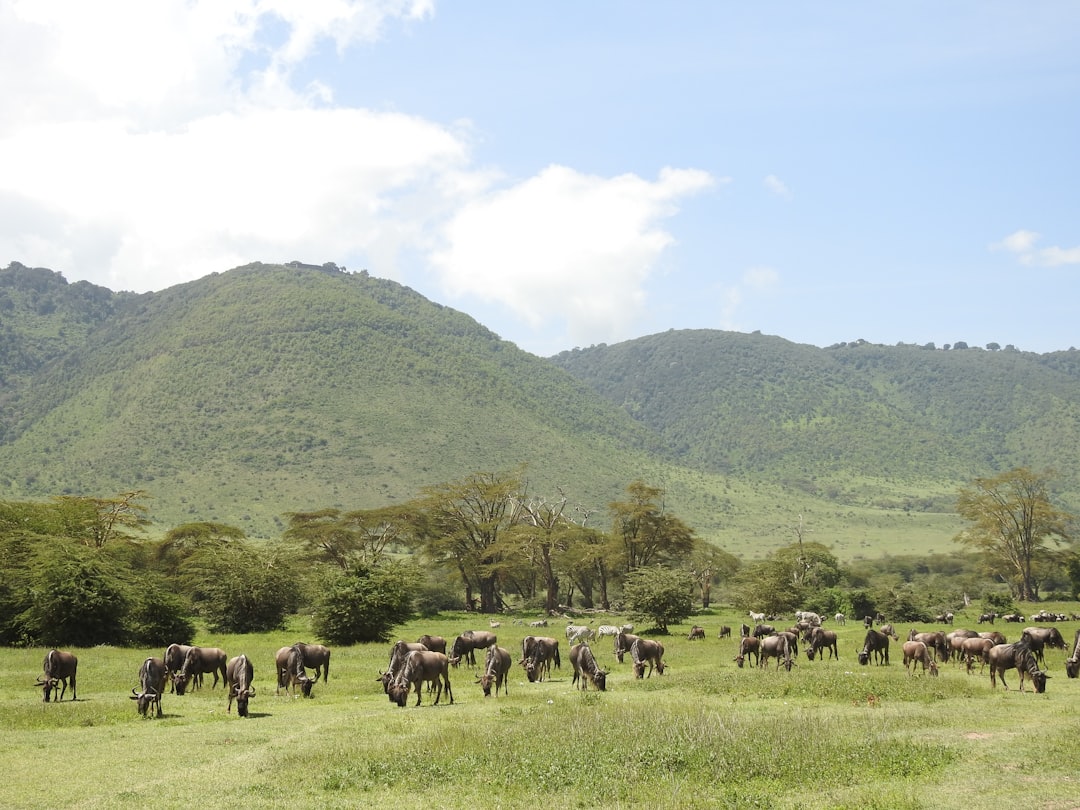
Most first-time Tanzania safari travelers do the same thing: they search "where to stay near Ngorongoro Crater," see the rim lodges, notice the dramatic photos of mist-covered caldera views, and book one without checking what that actually costs in total. We do not blame them. The rim lodges are beautiful. But for travelers on mid-range budgets, there is a smarter move — and it sits 35 kilometres down the road in the highland agricultural town of Karatu. You still visit the crater. You still get your full game drive inside the caldera. You just do not pay $80 per person per night in conservation fees to sleep above it.
Where Is Karatu and Why Does It Matter?
Karatu is a busy, genuinely Tanzanian highland town in the Karatu district of the Arusha Region, sitting at roughly 1,500 metres above sea level in the Mbulu Highlands. It is surrounded by lush coffee plantations, banana farms, and the terraced fields of the Iraqw people — one of the most fascinating indigenous cultures in the country. The evenings are cool, the air smells of woodsmoke and vegetation, and the landscape looks nothing like the dry savannah most people expect in northern Tanzania.
Karatu sits approximately 35 kilometres from the Ngorongoro Crater rim as the road runs. More importantly, it sits just outside the Ngorongoro Conservation Area boundary — a legal and financial distinction that changes everything about the cost of your stay.
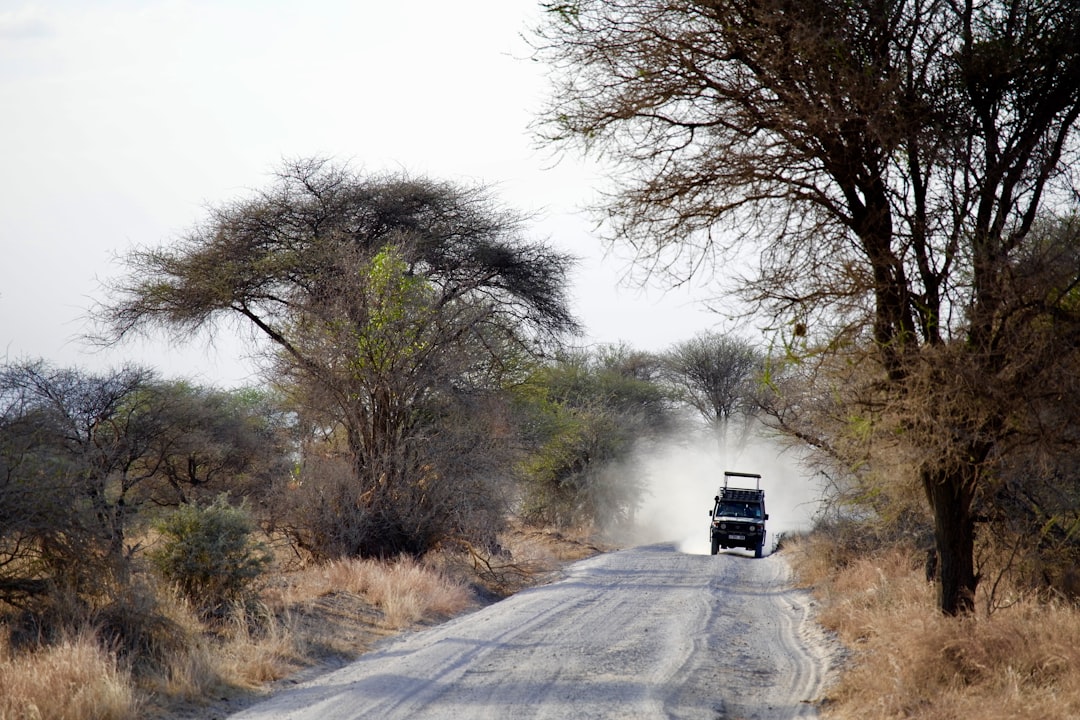
The drive from Karatu into the NCA and down to the crater floor takes between 35 and 45 minutes depending on traffic at the gate. That drive passes through some of the finest highland forest in Tanzania — thick montane vegetation, colobus monkeys in the trees, and sweeping views opening up as you gain altitude through the conservation area. Experienced travelers consider it part of the experience, not a commute.
The Real Cost Saving — Why Karatu Makes Sense
Let us put real numbers on this, because the difference is significant enough to fund additional safari days.
Staying inside the NCA at a rim lodge costs you three separate things simultaneously. First, the lodge rate itself: crater rim lodges typically run between $400 and $900 per person per night for accommodation alone, depending on the property and season. Second, the NCA vehicle fee: approximately $300 per vehicle for a 24-hour period if you are staying inside the conservation area. Third, and the one most travelers miss entirely when comparing prices: the NCA conservation fee of $80 per person per night is charged if you are staying inside the NCA boundary. This is on top of your lodge rate. It is not discretionary.
Staying in Karatu, the math changes completely. Lodge rates range from $150 to $500 per person per night depending on the property — and there is no NCA staying fee because you are outside the boundary. When you drive into the crater for the day, you pay a crater descent vehicle fee (approximately $200–$300 per vehicle per descent), but that is it. You pay for access when you use it, not for simply sleeping near it.
Here is what this means practically for two people spending two nights in the Ngorongoro area:
- Rim lodge option: two nights at a mid-range rim lodge at $450ppn = $1,800 accommodation, plus $160 in NCA staying fees (2 nights x $80 x 2 people), plus $600 in NCA vehicle fees (2 nights x $300). Total: approximately $2,560 before meals or crater descent fees.
- Karatu option: two nights at a quality Karatu lodge at $250ppn = $1,000 accommodation, plus one crater descent vehicle fee of $250. Total: approximately $1,250 for two people — with the same crater game drive.
The saving of over $1,300 for two people over two nights is real money. It could pay for a night in the central Serengeti, a balloon safari, or simply reduce the overall cost of your trip significantly. This is not a compromise — it is a better financial decision for anyone who is not specifically buying the experience of sleeping on the crater rim itself.
Top 5 Karatu Lodges — Honestly Reviewed
We have sent hundreds of clients through Karatu and worked with these properties directly. These are our honest assessments, not marketing copy.
1. The Plantation Lodge — Best Overall ($350–500 per person per night)
The Plantation Lodge is the standout property in Karatu by a clear margin. Built on a former coffee plantation, the lodge has 18 spacious rooms with individually designed interiors, garden views, a swimming pool, a wine cellar, and a gourmet restaurant that genuinely earns the description. The food here is better than what you will eat at most crater rim lodges — the kitchen takes its produce and presentation seriously.
What makes the Plantation interesting beyond its physical qualities is its location: it sits within easy walking distance of the Karatu town market, which means guests who want authentic local atmosphere can get it without a special cultural excursion. You can walk to the market on a morning before your crater drive and be back in time for your briefing. That combination of boutique quality and genuine local character is rare in Tanzanian lodge properties.
The price puts it at the top of the Karatu range, but compare it to a crater rim lodge at the same or higher rate and you are getting comparable or better accommodation without the NCA fees sitting on top. Best for: couples, honeymooners, and anyone who wants genuine quality without crater rim pricing.
2. Tloma Lodge — Best Views ($280–420 per person per night)
Tloma Lodge is built on a hillside with a position that earns its reputation for views. The lodge looks out toward the Ngorongoro highlands and the forested escarpment, and the infinity pool terrace is one of the better sundowner spots in Karatu. At 36 rooms it is larger than the Plantation, which means it handles group bookings without feeling crowded, but the hillside layout keeps it from feeling like a standard block hotel.
The spa is a genuine amenity — useful on multi-night stops when you want something to do between a crater morning drive and the evening. Food quality is consistently good, and the guide briefing area is well set up for pre-dawn departures. Best for: travelers who want a luxury feel and elevated position without paying crater rim prices, and those travelling in small groups.
3. Bougainvillea Safari Lodge — Best Value ($150–220 per person per night)
Bougainvillea is the workhorse of the Karatu lodge scene in the best possible sense. The 32 stone cottages are set in genuinely lush tropical gardens, the pool is well maintained, the bar works, and the restaurant produces reliable, good-quality food. It lacks the boutique character of the Plantation or Tloma's views, but it does not pretend to be something it is not.
Most mid-range Tanzania safari operators use Bougainvillea as their standard Karatu property, which means it handles a high volume of guests professionally. The staff are experienced with safari schedules — they know how to coordinate early morning departures, packed lunches for crater days, and late arrivals after long drives from Serengeti. That operational experience matters more than most travelers realize. Best for: budget-conscious travelers who need reliability and comfort without sacrificing standards, and tour groups with mixed comfort expectations.
4. Acacia Farm Lodge — Best Boutique ($200–300 per person per night)
Acacia Farm Lodge is a working flower farm with 18 accommodation rooms. This is the property for travelers who genuinely want to connect with the landscape rather than observe it from a pool terrace. The farm setting means meals include home-grown vegetables, and the atmosphere is intimate in a way that larger lodges cannot replicate — evening bonfires are a standard feature rather than a special occasion event.
The lodge also arranges traditional Mbulu cultural experiences, which are among the better-structured cultural visits in the Karatu area. The Mbulu (Iraqw) people have a distinctive culture and architecture quite different from the Maasai experience most travelers expect — if that interests you, Acacia is the right base. Best for: travelers who want authentic local connection, those doing Lake Eyasi day trips, and anyone spending three or more nights in the Karatu area.
5. Gibbs Farm — Premium Option ($500–700 per person per night)
Gibbs Farm is in a category of its own in Karatu. The property is a working organic coffee and vegetable farm with 30 spacious cottages, and the restaurant is considered one of the best in northern Tanzania — farm-to-table in a genuine rather than marketing sense, with produce from the farm appearing on the table the same day. Guided farm walks, coffee tastings, and garden tours are available and worth doing.
At $500–700ppn, Gibbs Farm is expensive by Karatu standards. But compare it to crater rim luxury lodges at $700–900ppn with NCA fees on top, and the numbers still favor Gibbs. You are getting a world-class food and hospitality experience without the conservation area surcharges. The spa is well-regarded and the setting — dense highland garden, cool breezes, views across the Ngorongoro highlands — is as beautiful as anything on the crater rim. Best for: those who want a genuine luxury experience with strong food and farm character, and travelers who appreciate quality produce and provenance.
Karatu vs Crater Rim — Comparison Table
| Property | Location | Price / Night (ppn) | Pool | Best For | Our Rating |
|---|---|---|---|---|---|
| The Plantation Lodge | Karatu town | $350–500 | Yes | Couples, honeymooners | 5/5 |
| Tloma Lodge | Karatu hillside | $280–420 | Infinity pool | Groups, views | 4.5/5 |
| Bougainvillea Safari Lodge | Karatu gardens | $150–220 | Yes | Value, reliability | 4/5 |
| Acacia Farm Lodge | Working farm, Karatu | $200–300 | No | Cultural experiences | 4/5 |
| Gibbs Farm | Highland farm, Karatu | $500–700 | Yes | Luxury, food lovers | 5/5 |
| Ngorongoro Serena (rim) | Crater rim, inside NCA | $450–700 + NCA fees | Yes | Dawn crater access | 4.5/5 |
| Ngorongoro Sopa (rim) | Crater rim, inside NCA | $350–550 + NCA fees | Yes | Crater views from room | 4/5 |
What to Do in Karatu Beyond Ngorongoro
One of the underrated aspects of staying in Karatu is the range of activities available in the surrounding area that crater rim guests rarely access. If you are spending two or more nights in the Ngorongoro circuit, Karatu rewards exploration.
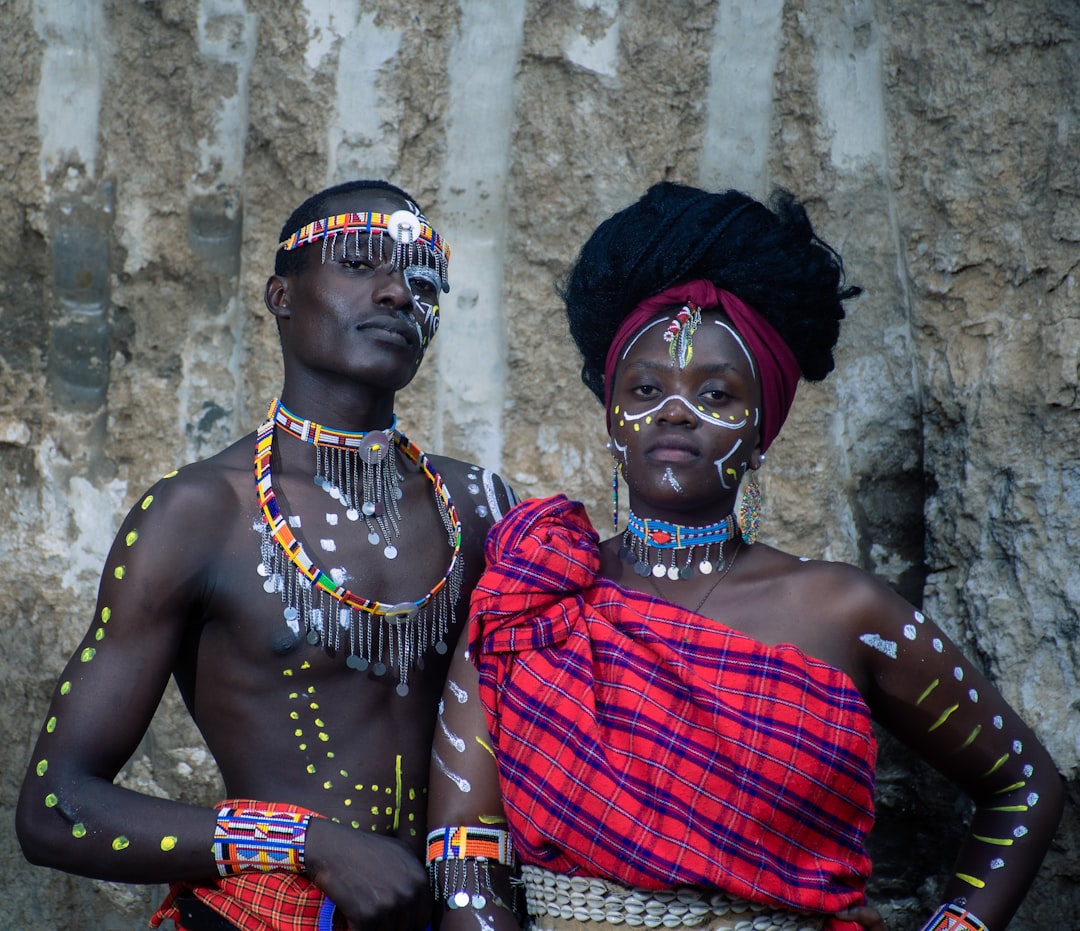
- Iraqw tribe cultural visits: The Iraqw (also called Mbulu) are one of Tanzania's most distinctive indigenous groups — Cushitic-speaking farmers who migrated from the north thousands of years ago and developed an unusual fortified village architecture. A morning visit to an Iraqw homestead near Karatu is more authentic and less choreographed than most Maasai village visits on the safari circuit. Ask your lodge to arrange a visit through a community-based guide.
- Coffee plantation tours: Several working coffee farms around Karatu offer guided tours that show the full cycle from cherry to cup. The Plantation Lodge and Gibbs Farm both run these. Even if you are not a coffee enthusiast, the highland farm landscape is beautiful and the process is genuinely interesting.
- Karatu market mornings: The main market in Karatu town operates daily but is busiest in the morning. Walking through it takes 30–45 minutes and gives a completely unfiltered view of daily Tanzanian highland life — produce sellers, livestock traders, small hardware shops, and local food vendors all operating together.
- Lake Eyasi day trip: Lake Eyasi lies about 50 kilometres south of Karatu through the Rift Valley escarpment. It is home to the Hadza people — one of the last remaining hunter-gatherer communities in Africa — and the Datoga pastoralists. A guided walk with Hadza hunters is one of the most genuinely unusual experiences on the northern Tanzania circuit. Adding a day to your Karatu stay specifically for Lake Eyasi is worth serious consideration, particularly if your itinerary already includes Ngorongoro and Serengeti.
- Ngorongoro forest walk: The montane forest on the outer slopes of the NCA is accessible on guided walks arranged through lodges with NCA permits. The forest is home to bushbuck, buffalo, and occasionally elephants, and the birdlife is exceptional. This is a slower, more meditative experience than a crater game drive and a good complement to it.
Who Should NOT Stay in Karatu
We are honest operators and Karatu is not the right choice for everyone. Here are the situations where a crater rim lodge is genuinely the better option.
- Single-night Ngorongoro visitors who want first entry at dawn: The crater gates open at 06:00 and close to new entries at 15:00. From a rim lodge, you can be at the gate in 5–10 minutes. From Karatu, you are looking at a 35–45 minute drive to reach the crater floor entry point. In peak season, this means missing the golden hour and the early-morning predator activity that makes the crater so special. If you have only one day and you want to be absolutely first in, stay on the rim.
- Travelers who specifically want the crater rim experience: Waking up to mist rising from the caldera, watching the light change over the crater wall from your lodge veranda — this is a genuinely beautiful experience and some people book the rim specifically for it. That is a legitimate reason and not something a Karatu lodge can replicate. If the view from your accommodation matters as much as the view from your vehicle, pay for a rim lodge.
- Families with young children on tight morning schedules: If your children's wake-up routine is unpredictable and a 35-minute extra drive before a full game day creates logistical stress, the proximity of a rim lodge simplifies the morning. The extra buffer Karatu requires is manageable for most families, but if your particular family is not a smooth early-morning operation, remove the variable.
Our Recommendation
We book clients into Karatu regularly and we recommend it without hesitation for anyone spending two or more nights in the Ngorongoro area on a mid-range or upper-mid-range budget. The cost saving is substantial, the lodges are excellent, and the Karatu area itself adds genuine value to the overall safari experience. The extra 35 minutes of driving is not a trade-off — it is a forest drive through one of Tanzania's most beautiful highland landscapes.
If you are doing a single-night stop at Ngorongoro as part of a longer northern circuit and your budget comfortably reaches a rim lodge, the rim is a fine choice. If the NCA fees would push your budget to its limit, Karatu is not the compromise option — it is the sensible one.
For a two-person, two-night stay, the Karatu saving typically runs to $1,000–1,500 over the equivalent rim lodge combination. That is enough to add a night in the central Serengeti, upgrade your flying option, or simply return home having spent less while seeing exactly the same wildlife.
Read our full Ngorongoro Crater safari guide for everything you need to know about the crater day itself, including what to expect, when to go, and how the park fees work. For a full comparison of crater rim accommodation options, see our Ngorongoro crater accommodation guide. And if you are still deciding between budget, mid-range, and luxury for your overall Tanzania safari, our budget vs luxury safari Tanzania guide breaks down exactly what changes at each price point.
¿Listo para Planificar tu Aventura en Tanzania?
Nuestros expertos locales de safari en Arusha crearán un itinerario personalizado solo para ti. Sin compromiso, consulta gratuita.
Obtén tu Presupuesto Gratuito