Ngorongoro Crater Accommodation Guide: Rim Lodges, Karatu & Everything In Between
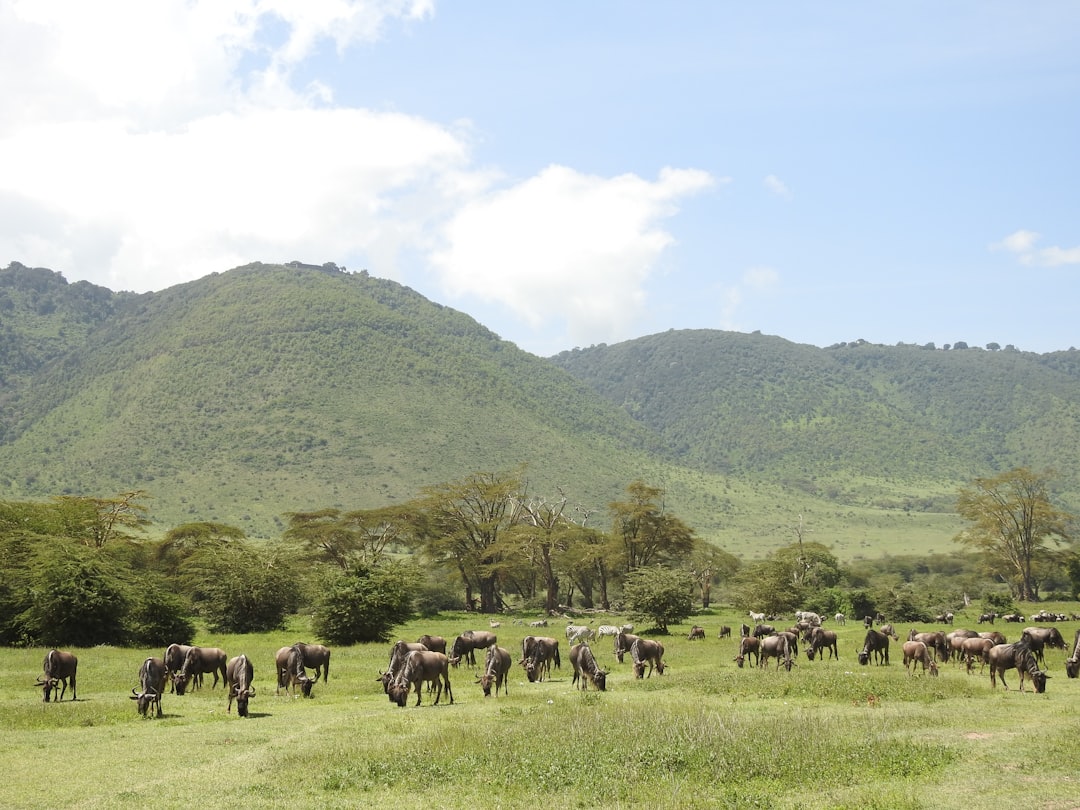
The Ngorongoro Crater is 260 square kilometres of enclosed Eden — a collapsed volcanic caldera that forms one of the most concentrated and self-contained wildlife ecosystems in the world. Roughly 25,000 large animals live permanently inside it, including one of Africa's densest lion populations, a large black rhino population, tens of thousands of wildebeest, and year-round flamingo flocks on Lake Magadi. The crater never disappoints. What varies enormously, however, is the accommodation choice surrounding it — in price, quality, location, and the practical experience of actually getting into the crater each morning. Understanding those choices before you book can save you hundreds of dollars, or conversely help you justify a premium that is genuinely worth paying.
The Three Accommodation Options for Ngorongoro
Every visitor to Ngorongoro effectively chooses from one of three options, each with a different set of trade-offs.
- Option A — Crater rim lodges: Located inside the Ngorongoro Conservation Area, directly on the rim. Premium pricing, dramatic settings, and the ability to watch the sunrise and sunset over the crater from your lodge terrace. The rim sits at roughly 2,300 metres, which means cold nights and spectacular early-morning mist in the crater below.
- Option B — Karatu lodges: The town of Karatu lies approximately 35 kilometres from the crater rim, about 30–40 minutes by road through the NCA forest. Lodges here charge a fraction of rim prices, offer more amenities (larger pools, more space, gardens), and avoid the NCA accommodation levy. The trade-off is the extra morning drive — though as we explain below, that drive is genuinely enjoyable.
- Option C — Crater floor camping: Two basic TANAPA-operated campsites sit on the crater floor itself. This is an extraordinary experience available only to a tiny number of visitors, restricted by permit and limited facilities. It is not a realistic option for most travellers but deserves a full explanation for those willing to pursue it.
Crater Rim Lodges — Worth the Premium?
The short answer is: for one night, almost certainly yes. The rim experience — watching cloud spill into the crater at dawn, seeing the full 19-kilometre bowl spread before you at sunset — is something that photographs cannot replicate and that you will not forget. Whether you need two or three rim nights to justify the cost is a different question.
Ngorongoro Serena Safari Lodge (~$500–800 per person per night)
Seventy-four rooms built into the crater rim hillside using volcanic stone and natural thatch, the Serena is the most architecturally impressive lodge in the Ngorongoro Conservation Area. It genuinely feels as though it grew from the landscape rather than being placed on it — terraced rooms descend through indigenous vegetation, with crater views from virtually every angle. The pool, though not large, has an extraordinary outlook. Multiple dining areas, a well-stocked bar, and spacious rooms complete the picture.
The lodge is a short walking distance from one of the main rim viewpoints, making sunrise and sunset visits trivially easy without a vehicle. For photography, the soft early-morning and late-afternoon light on the crater interior from this vantage point is exceptional.
Best for: Splurge nights, serious photographers, couples wanting a memorable atmospheric stay, first-time visitors to Ngorongoro who want the full rim experience.
Ngorongoro Sopa Lodge (~$350–550 per person per night)
Ninety-seven rooms spread across the southern rim make Sopa the largest lodge in the area. The atmosphere is more hotel-like than Serena — think reliable mid-range international standard rather than boutique immersion. Five-course dinners are a nightly feature, the pool is larger than Serena's, and the property manages high occupancy smoothly. The position is slightly less dramatic than Serena, sitting on the southern rim rather than the more elevated northern section, but crater views are still present from room terraces and the main lounge.
Sopa's main advantage is price relative to Serena, and its ability to handle families and larger groups without feeling cramped. Service standards are consistent and the kitchen is reliable.
Best for: Families, groups, travellers who want rim accommodation without paying Serena prices, those who prioritise comfort and food quality over architectural drama.
Ngorongoro Wildlife Lodge (~$280–420 per person per night — TANAPA)
Government-operated by TANAPA and the most affordable option for accommodation actually on the crater rim. Seventy-five rooms, functional rather than elegant, with the rim position that the more expensive lodges command. The Wildlife Lodge tends to be overlooked by operators who prefer to earn commission from private properties, which means it is often available when other rim lodges are full — and at prices that make the location surprisingly accessible.
Facilities are no-frills but the basics are well-maintained. Hot water, reliable food, and a rim terrace that offers the same fundamental crater views as its neighbours at a meaningfully lower price point. For budget-conscious travellers determined to sleep on the rim rather than in Karatu, this is the option.
Best for: Budget travellers who want the rim experience, travellers whose operators recommend private lodges but who want to investigate the TANAPA alternative.
Ngorongoro Crater Lodge (~$1,200–2,000 per person per night — Luxury)
Three intimate camps of twelve suites each, with extraordinary banana-leaf-adorned interiors, butler service, and a design aesthetic unlike anything else in East Africa. The Crater Lodge is widely regarded as one of the finest lodges on the continent — a benchmark for what crater-rim luxury can mean. We include it here not as a realistic recommendation for most of our clients, but because understanding what exists at the top of the market gives context to everything below it. If budget is genuinely not a constraint and the Ngorongoro visit is the centrepiece of a honeymoon or milestone trip, this property is in a different category from its neighbours.
Karatu Lodges — The Honest Alternative
Here is the honest case for Karatu: the crater experience is identical regardless of where you sleep. The crater floor is the crater floor. A lion sighting at 8am looks the same from a Land Cruiser departing a Karatu lodge as it does from one departing a rim lodge. The difference is where you have breakfast and what you see from your bedroom window.
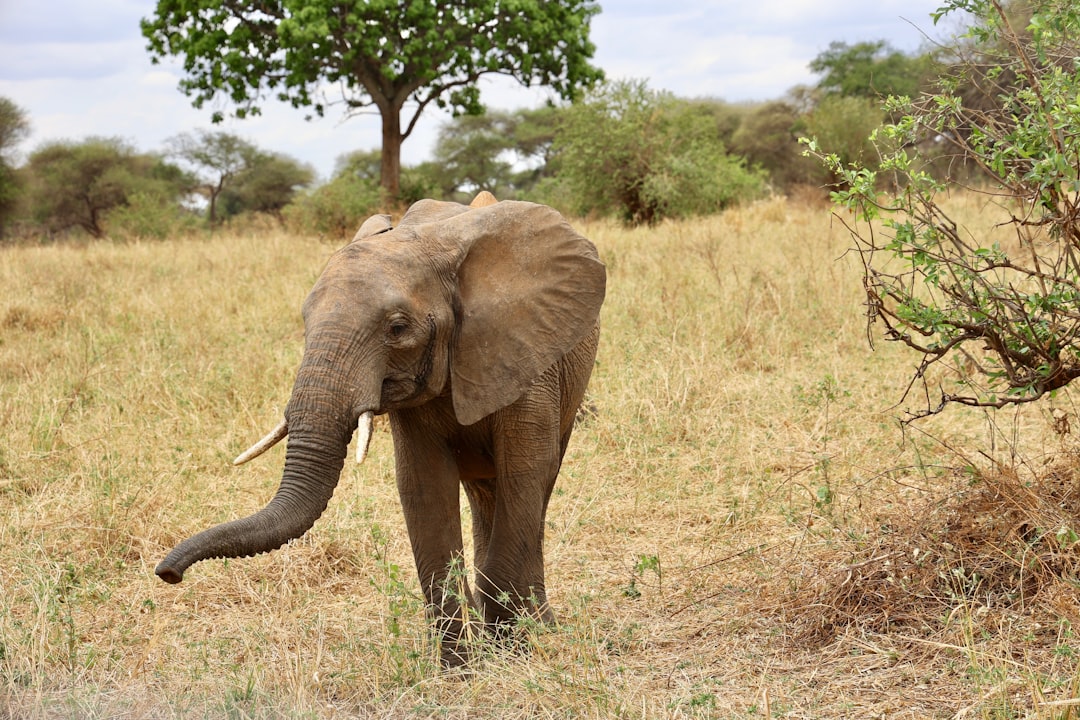
The 35-kilometre drive from Karatu to the crater rim passes through the NCA forest — a belt of montane woodland that is itself excellent for wildlife. Buffalo are common, elephant frequent, and hyena sightings along this road are almost routine on early-morning departures. It is not dead time. It is a legitimate part of the safari experience.
The financial logic is compelling. Karatu lodges typically cost 60–70% less than rim lodges. For a couple spending two nights, that differential often exceeds $1,500 — enough to fund an additional night in the Serengeti, upgrade a bush flight, or simply represent meaningful savings with no real sacrifice in wildlife viewing quality.
The best Karatu properties each have a distinct character. The Plantation Lodge is the finest overall — beautiful colonial farmhouse architecture, superb gardens, and excellent food that rivals anything on the rim. Gibbs Farm is the best choice for food specifically — a working organic farm that produces much of what ends up on the table. Tloma Lodge offers the best views of the Karatu highlands. Bougainvillea Safari Lodge delivers the best value per dollar. Acacia Farm Lodge suits travellers who want a boutique, intimate atmosphere without paying Plantation Lodge rates.
| Accommodation Type | Est. Price (2 pax, 2 nights) | NCA Fees (2 vehicles, 2 days) | Total Est. Cost |
|---|---|---|---|
| Rim Lodge (mid-range — Sopa) | $1,400–2,200 | $400–600 (already inside NCA) | $1,800–2,800 |
| Rim Lodge (upper — Serena) | $2,000–3,200 | $400–600 (already inside NCA) | $2,400–3,800 |
| Karatu (mid-range — Bougainvillea) | $400–700 | $800–1,200 (daily vehicle fees both days) | $1,200–1,900 |
| Karatu (best — Plantation Lodge) | $700–1,100 | $800–1,200 (daily vehicle fees both days) | $1,500–2,300 |
Crater Floor Camping — The Ultra-Rare Option
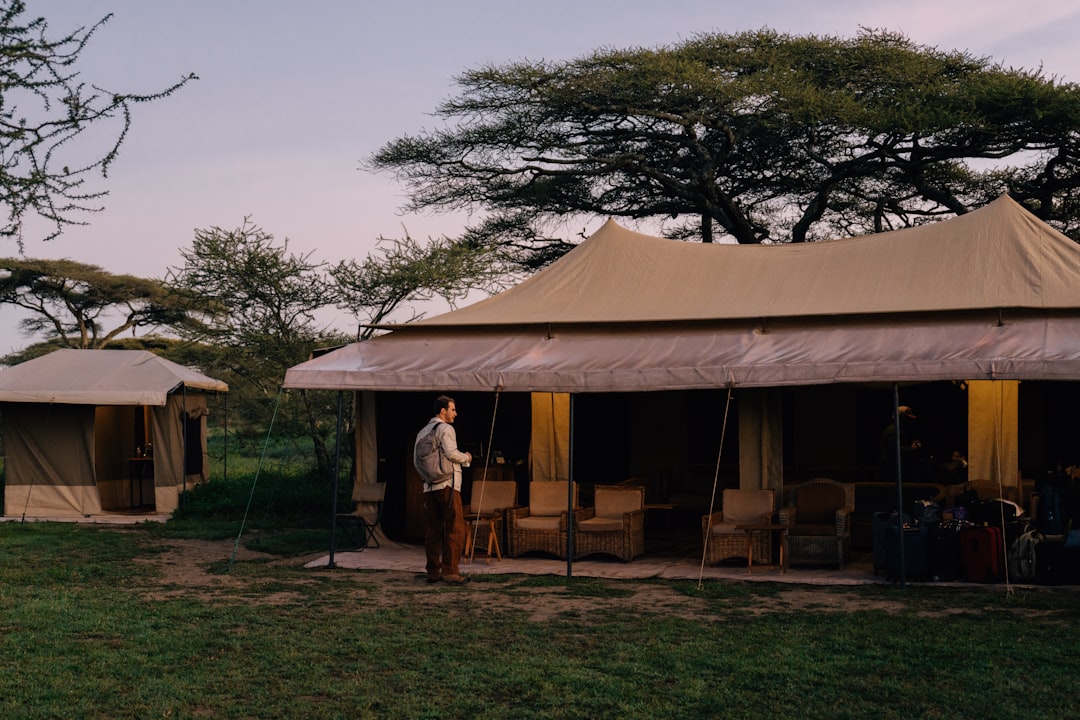
TANAPA operates two basic campsites on the crater floor, and the experience of spending a night there is unlike anything else in Tanzanian safari. The facilities are minimal — pit toilets, no showers, no running water. You bring your own tent and sleeping gear, your own food, and your own firewood. In exchange, you sleep inside one of the world's most concentrated wildlife ecosystems, with no fence between you and the animals that move through camp at night.
Lions have walked through these camps. Hyenas are a nightly presence. Buffalo graze at the crater floor edges in the early morning. If you step outside your tent before dawn, the darkness and silence inside the 600-metre-deep caldera has a quality that cannot be described adequately.
The restrictions are significant. Permits are limited and must be booked directly through TANAPA months in advance — this is not something any operator can arrange through the normal booking channels. Availability is extremely constrained and the process is bureaucratic. We recommend this option only to serious, experienced wildlife enthusiasts who are comfortable with basic conditions, who have done their research on the booking process, and who understand that the discomfort is part of the point. It is absolutely not appropriate for first-time safari visitors, travellers with comfort requirements, or those travelling with children.
Key Fees to Understand
The Ngorongoro Conservation Area has a fee structure that confuses many visitors because it differs from standard national park pricing.
- NCA vehicle fee: $200–300 per vehicle per 24-hour period inside the NCA. This is the primary access cost and it covers one crater descent per 24-hour period.
- Conservation levy (if sleeping inside the NCA): Approximately $80 per person per night for accommodation within the NCA boundaries. This applies to all rim lodges and the Ndutu area camps — it does not apply to Karatu lodges, which sit outside the NCA.
- Crater descent: There is no separate crater entrance fee. One descent is included within the vehicle access fee for each 24-hour period.
- Camping fees (crater floor): Additional permit fees apply for crater floor camping and must be arranged directly through TANAPA.
The practical implication is straightforward: Karatu travellers save the per-person NCA accommodation levy every night they sleep outside the NCA boundary. For a couple on two crater nights, that is roughly $320 in additional fees avoided — which substantially changes the comparison with rim lodges.
The Practical Day Plan from Each Accommodation Type
A common concern about staying in Karatu is losing early-morning access to the crater. In practice, the disadvantage is smaller than most people expect.
From a rim lodge: You depart directly for the descent gate at opening time — roughly 6:30am — and are typically on the crater floor by 7:00–7:15am. Rim lodges have the clear timing advantage here.
From Karatu: Departing at 6:00am gets you to the NCA main gate by approximately 6:45am. After a brief stop for permits, you reach the crater descent road and are on the floor by around 7:30–7:45am. The difference is 30–45 minutes of early-morning game drive time. In practical terms, the crater floor at 7:30am with fewer vehicles (many rim-lodge guests depart slightly later once breakfast is complete) can actually be more productive than being first on the floor at 7:00am alongside every other rim-lodge vehicle.
Our Recommendation for Ngorongoro Accommodation
For a single-night Ngorongoro visit: we recommend a rim lodge if budget allows. The experience of watching the crater at dawn and dusk from your own accommodation is genuinely worth paying for once, and it is the kind of memory that persists long after the cost is forgotten. Ngorongoro Serena is our first choice in this category; Ngorongoro Wildlife Lodge is the right answer if budget is the primary constraint.
For two or more nights: a split approach works well for most clients — one night on the rim for the experience, then one or more nights in Karatu for value and a different atmosphere. Alternatively, two nights entirely in Karatu with excellent lodges like The Plantation Lodge or Gibbs Farm delivers a high-quality experience at considerably less cost. The crater visit itself is in no way diminished.
For families with children: Karatu is consistently the better choice. Pool access, more outdoor space, relaxed meal timings, and a less price-sensitive atmosphere make the Karatu properties genuinely family-friendly in a way that the rim lodges — smaller, more formal, focused on the rim views — are not optimised for.
For more on planning your Ngorongoro visit, see our complete Ngorongoro Crater safari guide and our detailed review of the best Karatu lodges for Ngorongoro visits. If you are combining Ngorongoro with the Serengeti, the comparison of inside vs outside Serengeti accommodation follows similar logic and is worth reading alongside this guide.
Ready to Plan Your Tanzania Adventure?
Our local safari experts in Arusha will craft a personalized itinerary just for you. No obligation, free consultation.
Get Your Free Quote