Staying Inside vs Outside Serengeti National Park: Which Is Better?
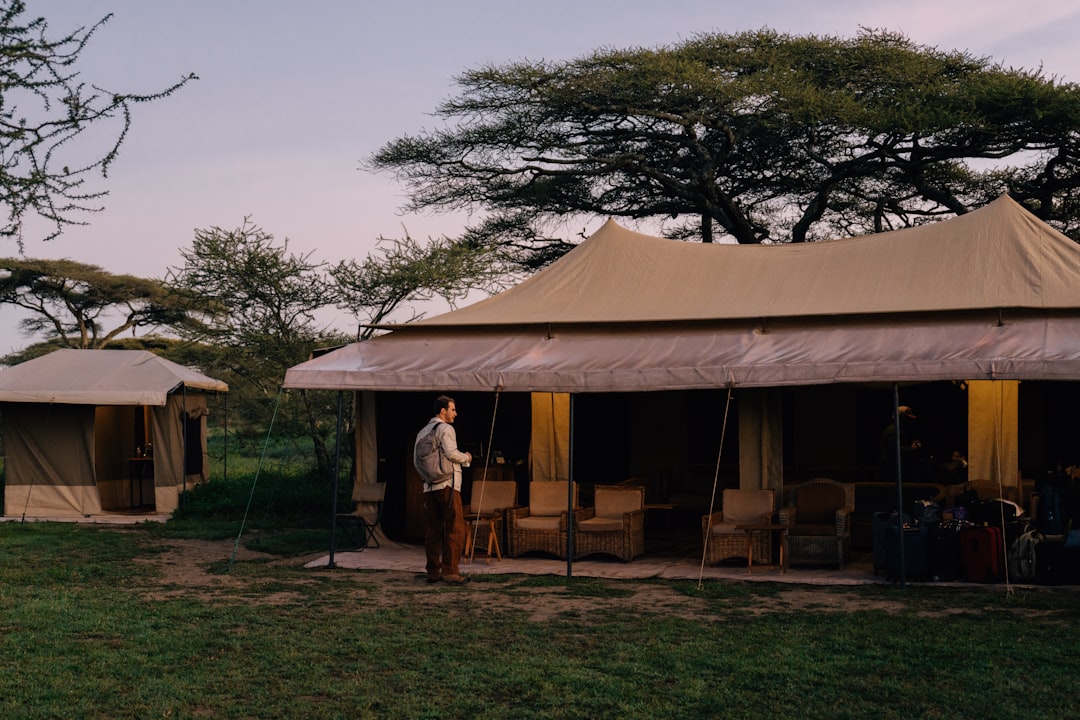
Staying inside the Serengeti means no fence between you and the wildlife — animals walk through camp at night and game drives start immediately. Outside lodges (Karatu area, Ngorongoro rim) are typically 20–40% cheaper. Inside is recommended for serious wildlife photography and immersive experience; outside suits budget-conscious travellers or those spending more nights in-park.
Every week we get some version of the same question from travelers planning their Serengeti safari: does it actually matter whether I stay inside or outside the park? The short answer is yes — but not always in the way people expect. The longer answer depends on how many nights you have, what time of year you are going, and which part of the Serengeti you are near. We have been putting clients in Serengeti camps for over a decade from our base in Arusha, and this guide gives you our honest field view — no upselling, no vague promises.
What "Inside the Park" Actually Means
Serengeti National Park covers 14,763 square kilometres of northern Tanzania. That is roughly the size of Connecticut and Delaware combined. Saying you are "inside the Serengeti" is a bit like saying you are somewhere in New England — the detail of where inside matters enormously.
The park boundary is enforced strictly. All gates open at 6:30am and close at 7:00pm. If you are staying outside and your vehicle is not back at the gate by 7pm, you will be camping in the parking area whether you planned to or not. Rangers do not bend this rule. This gate timing is one of the most underappreciated logistics in Serengeti trip planning.
Park fees apply to every visitor regardless of where they sleep. As of 2025, park entry fees for international visitors run approximately $70 per adult per day, plus vehicle fees. Staying outside does not exempt you from paying these fees every day you enter the park. That fact changes the cost comparison between inside and outside accommodation more than most people realize.
Given the park's size, where you are positioned within the Serengeti dictates the wildlife you see. The northern Mara River crossing zones, the central Seronera valley cat country, the short-grass calving plains of the south, and the western corridor riverine forests are all dramatically different ecosystems. A lodge in the wrong zone during the wrong season can mean long drives with disappointing results.
The Case for Staying Inside Serengeti
The core advantage is simple: you are already there. When you are staying inside the park, your morning game drive begins the moment your vehicle leaves camp. You are not spending 30 to 60 minutes in a transfer from an outside lodge to a park gate, burning the best morning light on tarmac.
Morning in the Serengeti is everything. Lions are still active on kills before the heat builds. Cheetahs are scanning termite mounds for prey at first light. Leopards are returning to trees before the day warms up. If you are doing that first golden hour from inside park boundaries with your guide already alert and scanning, you are getting a fundamentally different experience than the guest who arrives at the gate at 8am after a dusty road transfer.
The same logic applies to sundowner drives. When you are inside, late afternoon drives can stretch right through sunset and back to camp in the dark — legally, because you are never crossing a gate. The atmosphere at dusk inside the Serengeti, hearing hyena calls start up and watching the sky turn orange over the acacia plains, is something that outside-park travelers simply cannot replicate.
Night sounds matter too. Sleeping inside the park means going to sleep to lion roars and waking to birdsong at first light. It is not a manufactured experience — it is actual Africa, and it changes how the whole trip feels.
Central Serengeti (Seronera area)
The Seronera valley is the year-round wildlife hub of the Serengeti, with the highest permanent concentration of predators in the park. Resident lion prides, leopards along the Seronera River, and large cheetah populations make this area reliable in any month.
- Serengeti Serena Safari Lodge — One of the best-located lodges in central Serengeti. Built into a rocky kopje, with excellent elevated views. Solid food, reliable service, good pool. Rates run approximately $400–600 per person per night inclusive.
- Serengeti Sopa Lodge — A large property (71 suites) on a hill near Seronera with panoramic views. Very reliable, popular with family groups, well-run kitchen. Rates typically $280–380 per person per night.
- Seronera Wildlife Lodge — Run by TANAPA (Tanzania National Parks Authority), this is the best-value inside-park option in the Serengeti. Built on a kopje right at Seronera, it is basic but functional and dramatically located. At around $180 per person per night, nothing else inside the park touches this price point.
- Kubu Kubu Tented Lodge — A more intimate tented camp near Seronera, well-regarded for guiding quality and personal atmosphere. Rates around $450–650 per person per night full board.
Northern Serengeti (Kogatende / Mara River area)
The northern zone is where the dramatic wildebeest river crossings happen from July through October. Outside these months, the north is quieter but still excellent for resident predators and elephants.
- Lobo Wildlife Lodge — A TANAPA-managed lodge in a dramatic boulder setting in the northern Serengeti. One of the most underrated inside-park lodges, with excellent access to migration crossings during peak season. Rates approximately $280–400 per person per night.
- Sayari Camp — Upper-end luxury, small and exclusive, positioned very well for the river crossings. One of the top camps in Tanzania by most metrics. Priced accordingly.
Southern Serengeti and Ndutu
The southern short-grass plains around Ndutu are technically on the Ngorongoro Conservation Area side of the border, but they function as the calving grounds from December through March and offer extraordinary wildlife density during that window.
- Ndutu Safari Lodge — The original Ndutu property, legendary among wildlife photographers and naturalists. Excellent guiding, authentic atmosphere, and right in the middle of calving season action. A classic.
- Migration Camp — Located on the eastern Serengeti near the Moru Kopjes. Mid-range tented, good all-round wildlife.
Western Corridor
- Grumeti Serengeti Tented Camp — Positioned along the Grumeti River for the May to July western corridor migration crossing. Excellent hippo and crocodile sightings year-round alongside the migration action.
The Case for Staying Outside (or Just Adjacent to) Serengeti
"Outside the Serengeti" means different things depending on context. It could mean a lodge in Karatu town (over an hour from the nearest gate), a guesthouse in Mto wa Mbu, or — far more relevant to serious safari travelers — a lodge in one of the private Wildlife Management Areas (WMAs) that border the park.
The honest primary advantage of staying outside is price and choice. Outside the park boundary, lodges are not constrained by TANAPA fee structures and tend to offer lower rack rates, especially at the mid-range level. For travelers on a tighter budget or doing a one-night stop as part of a longer multi-park itinerary, an outside lodge can be a sensible financial choice.
But the more interesting outside-park option is the WMA category. Wildlife Management Areas like the Ikoma WMA, the Ikorongo Game Reserve, and the Grumeti WMA border the Serengeti and support genuine wildlife populations. Critically, WMA camps are permitted to offer walking safaris and night game drives — both of which are strictly prohibited inside national parks. If walking in the bush or spotting nocturnal predators by spotlight is something you want, an outside WMA camp is the only way to get it.
- Ehlane Plains Camp — A well-run mid-range tented camp outside the western Serengeti boundary, in an area with good wildlife and the added value of walking and night drive options.
- Ikoma Bush Camp — Located near the Ikoma Gate on the western side, simple and honest, used often as a budget option that still gets clients inside the park quickly each morning.
When does outside genuinely make sense? For a one-night stopover on a longer itinerary where the Serengeti is not your primary destination. For travelers combining with Ngorongoro who need a midpoint that is more affordable. And for those specifically wanting walking or night drive activities that park rules prohibit.
Zone Matters More Than Inside vs Outside
Here is something most generic safari guides will not tell you plainly: being inside the Serengeti in the wrong zone during the wrong season is worse than being outside in a well-positioned WMA camp. A lodge in the northern Kogatende area in January, when every animal has moved south to the calving plains, will have guests driving for two hours each day seeing very little. The wildlife moved. The lodge did not.
This is why zone selection is the single most important accommodation decision for a Serengeti safari. The migration calendar is the tool you need, not just an inside-versus-outside checklist.
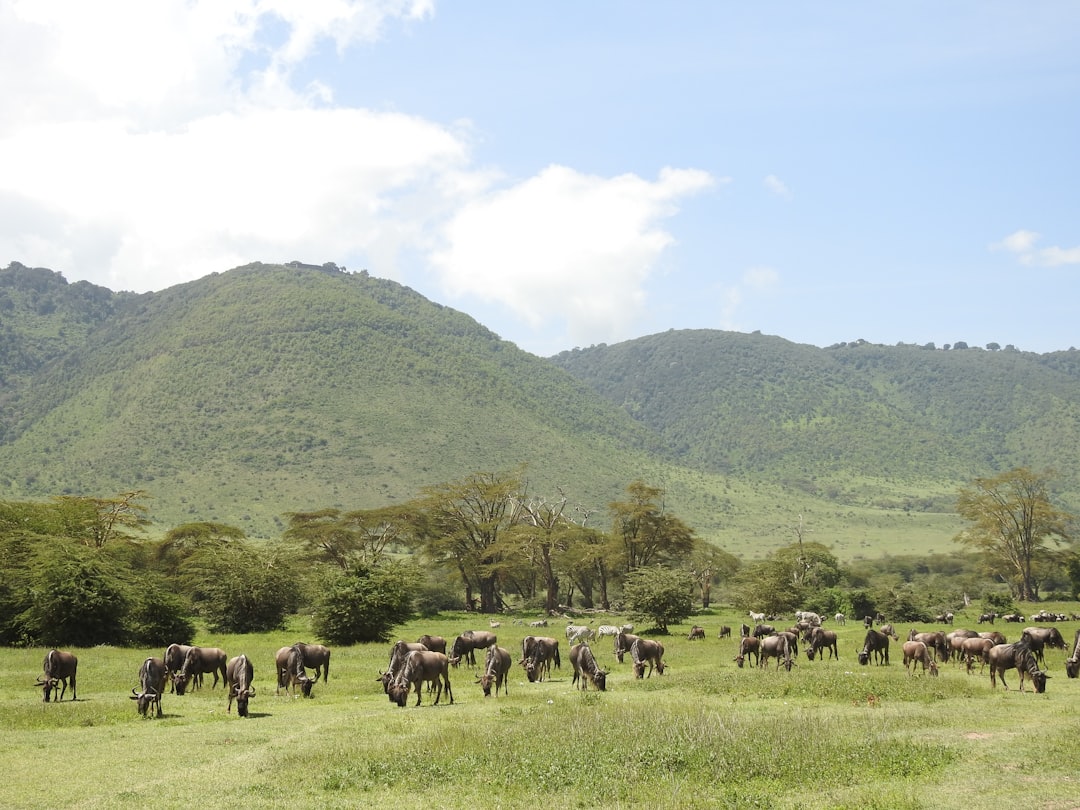
The broad seasonal pattern works like this: the wildebeest calving concentrates in the southern short-grass plains from December through March. The herds push northwest through the central Seronera area in April and May. They move into the western corridor from May through July for the Grumeti River crossings. By July through October, the main herds are in the north at the Mara River for the famous crossings. Then they drift back south. Central Seronera is productive for predators year-round, regardless of where the migration is.
| Zone | Best Months | Key Sightings | Representative Lodge |
|---|---|---|---|
| Central (Seronera) | Year-round | Lions, leopards, cheetah, hippos | Serengeti Serena Safari Lodge |
| Southern (Ndutu Plains) | December – March | Wildebeest calving, cheetah, newborn predator prey | Ndutu Safari Lodge |
| Western Corridor (Grumeti) | May – July | River crossings, hippos, massive wildebeest herds | Grumeti Serengeti Tented Camp |
| Northern (Kogatende / Mara) | July – October | Mara River crossings, lion, elephant, resident predators | Lobo Wildlife Lodge |
If you are spending only two or three nights in the Serengeti, pick one zone and position yourself well within it. Moving between zones takes time and adds driving that eats into game drive hours. Better to be deep in the right zone than trying to cover everything.
The Verdict — Our Honest Recommendation
After years of building Serengeti itineraries, here is where we land:
For stays of three nights or more: Stay inside the park, in the right zone for your travel season. The cumulative benefit of early morning access, sundown drives without gate pressure, and immersive nights adds up quickly over multiple days. The premium over outside lodges is real, but it is justified when you are spending enough nights to fully absorb it.
For a single-night stopover: An outside lodge is a perfectly reasonable choice. Save the money. You will still get full days inside the park, and one night without lion roars outside your tent will not ruin the experience. Use the savings to upgrade somewhere else on the itinerary.
For families and budget travelers wanting inside access: Seronera Wildlife Lodge is the answer. TANAPA-run, positioned dramatically on a rocky kopje right at the Seronera junction, with game drives starting from inside the park. At around $180 per person per night full board, nothing else inside the Serengeti touches it for value. Facilities are basic — do not expect a plunge pool — but as a base for wildlife viewing, it is exceptional.
For travelers wanting walking safaris or night drives: Go to a WMA camp outside the park. These activities are simply not legal inside national parks. If that experience matters to you, combine one or two nights at a WMA camp with your inside-park nights.
The Serengeti rewards planning. Choose your zone first, then decide inside versus outside based on budget and trip length. For help building the right itinerary, read our detailed Serengeti safari guide, our Tanzania safari timing guide, and our breakdown of where to stay in the Serengeti. Or contact us in Arusha — this is what we do every day.
Ready to Plan Your Tanzania Adventure?
Our local safari experts in Arusha will craft a personalized itinerary just for you. No obligation, free consultation.
Get Your Free Quote