塞伦盖蒂国家公园住宿指南:2026年分区完整酒店攻略
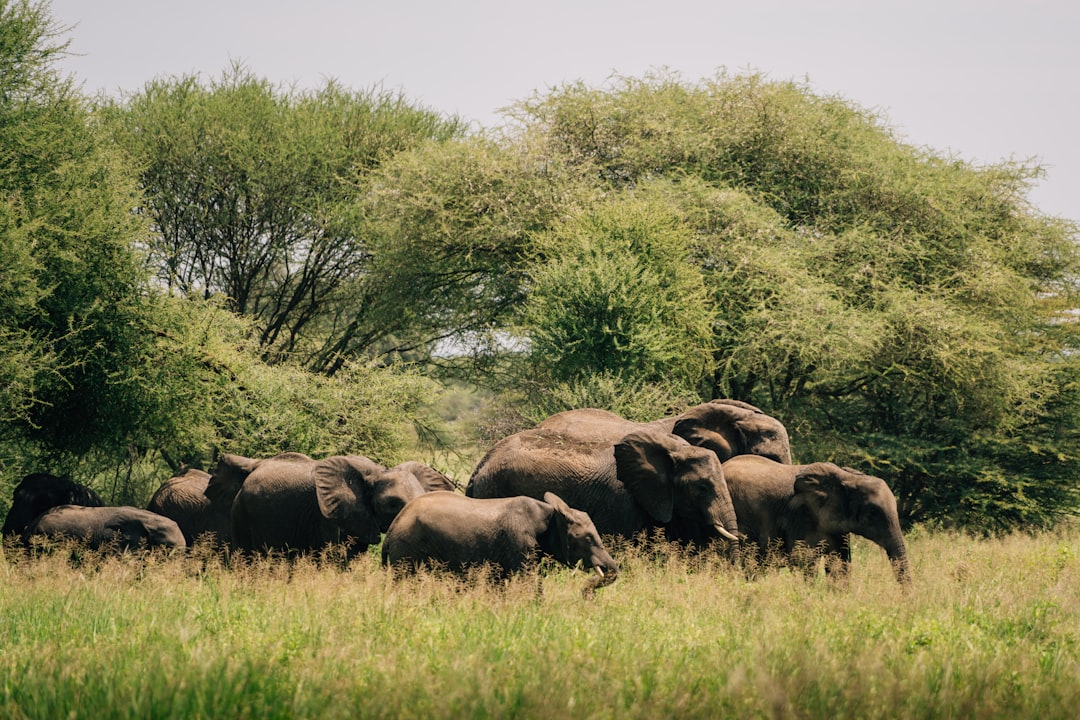
The Serengeti covers 14,763 square kilometres — roughly the size of Northern Ireland. That is not a park you can casually explore from a single fixed point. Where you sleep determines which wildlife spectacles you witness, which terrain your game drives cover, and whether the Great Migration passes through your front yard or plays out 200 kilometres away. In our experience booking hundreds of Serengeti safaris, clients who choose their zone first and their lodge budget second consistently have better experiences than those who approach it the other way around.
The Four Zones of the Serengeti — Why They Matter
The Serengeti is loosely divided into four geographic zones, each with its own ecosystem, wildlife character, and accommodation options. More importantly, each zone sits at a different point on the Great Migration circuit — the annual movement of roughly 1.5 million wildebeest, 200,000 zebra, and 500,000 gazelle around the Serengeti-Mara ecosystem.
The migration follows a broad clockwise loop through the year. In simplified terms: the herds calve in the south (December–March), move through the western corridor (April–June), push north to the Mara River (July–October), and drift back south again through the central plains (November). Book the wrong zone at the wrong time of year and you will enjoy good wildlife — the Serengeti always delivers — but the migration itself will be elsewhere.
Central Serengeti is the exception. Year-round resident populations of lions, leopards, and cheetahs make it a reliable choice regardless of season. Every other zone has a clear peak window.
Southern Serengeti and the Ndutu Area (December–March)
The short-grass plains of the southern Serengeti transform between December and March into one of the greatest wildlife spectacles on Earth. This is calving season: roughly 500,000 wildebeest calves are born within a concentrated six-week period, drawing enormous concentrations of lions, cheetahs, leopards, hyenas, jackals, and wild dogs. Nothing in East Africa compares to predator density during peak calving.
One important distinction for accommodation planning: the best calving-season camps are located in the Ndutu area, which falls within the Ngorongoro Conservation Area, not Serengeti National Park proper. This matters for two reasons. First, different fee structures apply. Second, and more importantly, guided walking safaris are permitted in the NCA — an activity not allowed inside Serengeti National Park. For photography enthusiasts and serious wildlife watchers, this is a meaningful advantage.
Key Lodges — Southern Serengeti / Ndutu
- Ndutu Safari Lodge — The original calving-season camp and still a benchmark. Thirty-five bandas spread across acacia woodland, a swimming pool, reliable food, and a loyal repeat clientele of professional photographers. Old-school in the best sense. Estimated price: $380–550 per person per night all-inclusive.
- Lemala Ndutu — A smaller, more intimate tented camp with just ten tents. Guides here are consistently excellent, and the camp atmosphere is genuinely relaxed. Excellent for couples or small groups who want something more personal than Ndutu Lodge. Estimated price: $450–700 per person per night.
- Ubuntu Migration Camp — A premium mobile camp that establishes itself in the Ndutu area specifically for calving season. Limited tents, exceptional guiding, and the kind of exclusive feel that justifies the upper-end price point. Best booked at least six months in advance.
Best for: Photographers, predator enthusiasts, families who can visit December–March, anyone specifically targeting the calving spectacle.
Central Serengeti and the Seronera Valley (Year-Round)
The Seronera Valley in central Serengeti is the most reliably productive big-cat habitat in East Africa. Two permanent rivers — the Seronera and the Orangi — attract year-round resident populations of lions, leopards (particularly visible in sausage trees along the riverbanks), and cheetahs on the open plains. The central zone also sits roughly in the middle of the migration circuit, meaning the herds pass through in both directions: southward around November and northward around May–June.
Central Serengeti is the best zone for flexible or short-stay visitors, for anyone on a tight schedule who cannot plan twelve months ahead, and for budget-conscious travellers who want to maximise wildlife value without committing to the premium pricing of the far north.
Key Lodges — Central Serengeti
- Serengeti Serena Safari Lodge — Sixty-six rooms built across a granite kopje (a rocky outcrop), with sweeping views, a large pool, and multiple dining areas. Architecturally handsome and well-managed. The best overall mid-range option inside the park for central Serengeti. Estimated price: $380–550 per person per night.
- Seronera Wildlife Lodge — Operated by TANAPA (Tanzania National Parks Authority) and built directly into the granite kopjes above the Seronera River. The location is genuinely unbeatable — lions have been known to rest on the rocks below the terrace. Rooms are simple but perfectly functional. This is the best budget option inside the park. Estimated price: $180–250 per person per night.
- Serengeti Sopa Lodge — Seventy-three rooms, more hotel-like in atmosphere, and reliable across the board. The Sopa brand delivers consistent quality without surprises. Good for families and groups. Estimated price: $260–380 per person per night.
- Kubu Kubu Tented Lodge — Twenty-five tents in the central Seronera area, offering the tented camp atmosphere with more amenities than a basic mobile camp. Intimate feel, solid guiding. Estimated price: $450–650 per person per night.
- Kati Kati Tented Camp — A smaller eco-camp with a semi-permanent setup in the central zone, following the herds when possible. More rustic than Kubu Kubu but well-priced for the experience. Estimated price: $280–420 per person per night.
Best for: Year-round big cats, flexible travel dates, short Serengeti stays of one or two nights, budget-to-mid-range travellers.
Western Corridor and the Grumeti Area (May–July)
The western corridor is the Serengeti's best-kept secret. Between May and July, the migrating herds funnel through this narrow strip of woodland and riverine forest on their way north, crossing the Grumeti River — a waterway crowded with enormous Nile crocodiles and dense hippo pods. The Grumeti crossings are smaller in scale than the famous Mara River crossings further north, but they are far less visited, which means the experience is more exclusive and the game drive pressure is minimal.
The western corridor is also considerably closer to Arusha by road than the northern zone, making it accessible by a long but manageable drive via the park's Ndabaka gate.
Key Lodges — Western Corridor
- Grumeti Serengeti Tented Camp — Ten tents in a classic East African style, positioned directly on the migration path along the Grumeti River. Intimate, well-run, and genuinely wild in atmosphere. Estimated price: $500–800 per person per night.
- Kirawira Luxury Tented Camp (Serena) — An Edwardian-colonial-style tented camp on an elevated ridge with superb views across the western plains. Pool, butler service, beautifully appointed tents. The most elegant property in the western corridor. Estimated price: $500–800 per person per night.
- Speke Bay Lodge — Located on the Lake Victoria shoreline at the western edge of the park, this lodge offers an entirely different experience — sunsets over the lake, boat trips, and access to the western circuit without paying full inside-park rates. Budget-to-mid-range at $150–250 per person per night. Best used as a base for day-trip game drives into the western corridor.
Best for: May–July Grumeti River crossings, travellers who want migration without the northern crowds, private game drives in undervisited terrain.
Northern Serengeti and the Kogatende Area (July–October)
This is the zone that dominates every Serengeti documentary. Between July and October, the migrating herds mass along the Mara River, waiting to cross. The crossings themselves — thousands of wildebeest launching into crocodile-filled water, panicking, turning back, and surging forward again — are one of the most dramatic wildlife events anywhere on the planet. If you have a single specific target on a Tanzania safari, there is a strong argument for making it a Mara River crossing in the northern Serengeti.
The trade-off is logistics. The northern Serengeti's Kogatende area is the most remote section of the park — a full day's drive from Arusha if you choose road. Almost all serious travellers targeting the north use bush flights from Arusha or from camps further south. Fly-in pricing is built into most northern camp rates, but it adds $200–400 per person each way.
Key Lodges — Northern Serengeti
- Lobo Wildlife Lodge — Seventy-five rooms, TANAPA-operated, built into a spectacular granite kopje in the northern zone with a swimming pool and extraordinary panoramic views. This is the best mid-range option for the northern migration — far more affordable than the private camps but with an iconic location. Estimated price: $280–400 per person per night.
- Sayari Camp (Asilia Africa) — Fifteen tents on the banks of the Mara River, Sayari is consistently rated among the top migration camps in Africa. Premium in every sense — guiding, food, design, and experience. Estimated price: $800–1,400 per person per night.
- Lamai Serengeti — A clifftop position with sweeping views of the Mara River plains below. Intimate, beautifully designed, and one of the most photographed camps in the Serengeti. Estimated price: $700–1,200 per person per night.
- Lemala Kuria Hills — Fifteen tents on a private concession north of the Serengeti boundary, offering walking safaris and night drives in addition to standard game drives. Excellent value for the luxury tier. Estimated price: $600–1,000 per person per night.
Best for: The quintessential migration experience, July–October river crossings, serious wildlife photographers, those who want the definitive Serengeti moment.
Choosing by Budget — Quick Reference
| Budget Tier | Best Lodge | Zone | Est. Price (ppn) | Best Season |
|---|---|---|---|---|
| Budget | Seronera Wildlife Lodge | Central | $180–250 | Year-round |
| Budget | Speke Bay Lodge | Western (lake-side) | $150–250 | May–July |
| Mid-range | Serengeti Sopa Lodge | Central | $260–380 | Year-round |
| Mid-range | Lobo Wildlife Lodge | Northern | $280–400 | July–October |
| Mid-range | Serengeti Serena Safari Lodge | Central | $380–550 | Year-round |
| Upper Mid-range | Ndutu Safari Lodge | Southern | $380–550 | December–March |
| Luxury | Sayari Camp | Northern | $800–1,400 | July–October |
Should You Fly or Drive to the Serengeti?
Bush flights from Arusha operate on scheduled circuits to the Serengeti's internal airstrips — Seronera (central), Kogatende (north), Grumeti (west), and several others. A one-way flight costs roughly $200–400 per person and takes 45 minutes to an hour, compared to a seven-to-eight-hour drive from Arusha via the Ngorongoro highlands and the Naabi Hill gate.
Our general guidance is this: flying is worth it for northern Serengeti stays. Kogatende is so far from Arusha that the road option consumes nearly a full day in each direction — time you could spend on game drives. For central Serengeti, we actually prefer the drive for clients who have never done it. The route passes through the Ngorongoro highlands, descends into the Ngorongoro Conservation Area, crosses the Ndutu plains, and enters the park through genuinely spectacular scenery. It is a worthwhile experience in itself.
A practical compromise for longer itineraries: drive in, fly out, or vice versa. You see the landscape from both perspectives, and you avoid paying for flights in both directions.
How We Book Serengeti Accommodation for Our Clients
Our philosophy at iTanzania Safaris is zone first, budget second. We start by establishing what the client wants to see, then work backward to which zone hosts that experience at what time of year, and only then do we apply budget parameters to find the best lodge within that zone.
We also maintain real-time field contacts throughout the Serengeti who report on herd movements. Migration timing shifts year to year — sometimes by two to three weeks. In years with early or late rains, the herds adjust accordingly, and we adjust our accommodation recommendations with them. A camp that is perfectly placed in an average year can be an hour's drive from the action in an unusual one.
For peak season (July–October), we strongly recommend booking six to twelve months in advance. The best northern camps — Sayari, Lamai, Lemala Kuria Hills — fill to capacity months before the season begins. For shoulder and green season travel, three months ahead is typically sufficient, and you will often find better rates on the same properties.
For further planning, see our complete Serengeti safari guide, our detailed breakdown of where and when to find the Great Migration, the comparison of inside vs outside Serengeti accommodation, and our overview of the best time to visit Tanzania on safari.