坦桑尼亚游猎穿什么:2026年完整服装指南
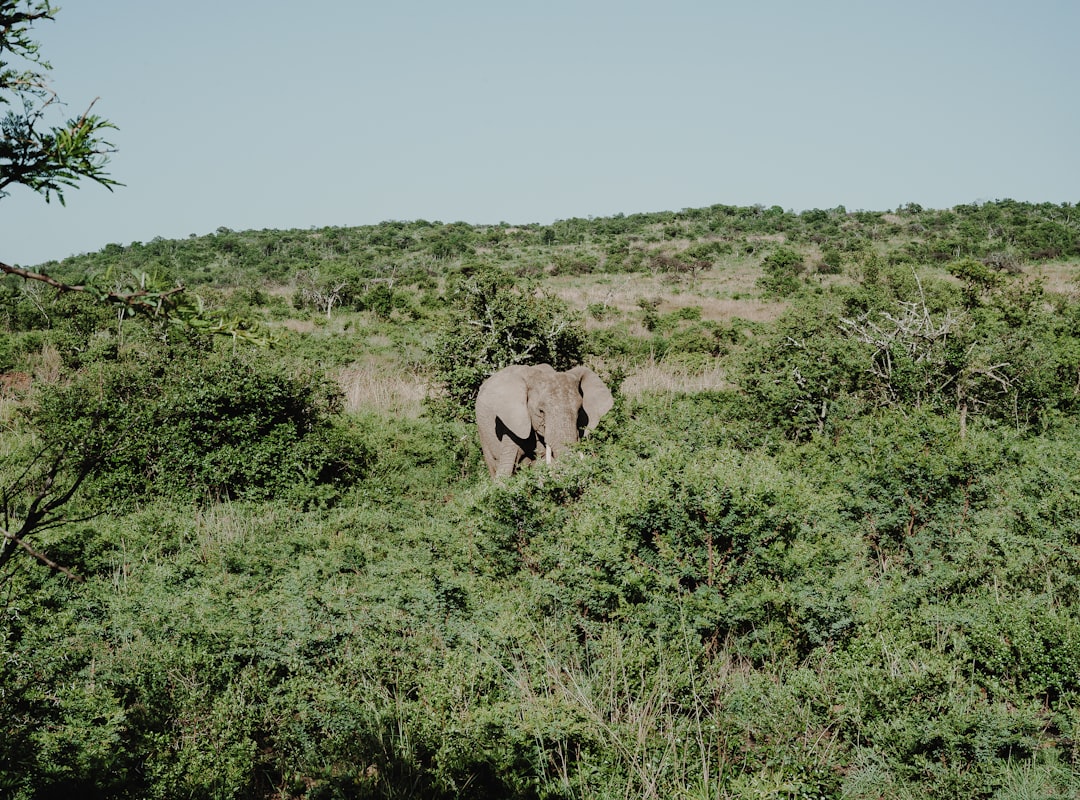
Wear neutral colours — khaki, olive, beige, tan. Avoid white (shows dust), black (attracts heat), and camouflage (illegal in Tanzania). Pack layers: lightweight shirts for game drives, a fleece for Ngorongoro mornings (5–10°C). Essential items: wide-brim hat, long trousers for evenings, closed shoes, DEET repellent.
What you wear on safari matters more than most first-timers realise. It is not about fashion — it is about comfort across extreme temperature swings, insect protection, and not attracting wildlife attention through colours or movement. This guide covers everything you need to wear on a Tanzania safari, season by season and activity by activity.
The Core Safari Clothing Rule: Neutral Colours
The most important rule in safari clothing is colour. Wear neutral, earthy tones: khaki, tan, olive green, brown, grey, and beige. Avoid:
- White and bright colours — visible at long distances, reflect light, attract insects
- Blue and black — scientifically proven to attract tsetse flies, which inflict painful bites
- Camouflage patterns — illegal to wear in Tanzania. Military-style clothing is prohibited by law; penalties can be severe. This is strictly enforced at borders and checkpoints.
The reason for neutrals on game drives is not because bright clothing causes animals to flee (they mostly don't). It is because muted colours are better for photography (no subject-distracting foreground reflections), are more comfortable in direct sun (white is actually hotter in humid conditions), and minimise bee, wasp, and tsetse attention.
The Tanzania Temperature Reality: It's Not Always Hot
Many visitors pack for tropical heat and arrive at a 5am game drive shivering. Tanzania's safari areas span a wide altitude range:
- Serengeti plains: 1,500m elevation — cold mornings (8–12°C / 46–54°F), hot midday (28–35°C / 82–95°F)
- Ngorongoro Crater rim: 2,300m elevation — genuinely cold (4–8°C mornings, 18–20°C days), frequent mist and drizzle
- Tarangire: 1,100m — warmer, more consistently hot in dry season
- Arusha: 1,400m — mild and pleasant, cool evenings
- Zanzibar coast: Sea level — hot and humid, especially December–March
The golden rule: layer up for early morning game drives. You can always peel off layers as the temperature rises. You cannot warm up from the back of an open-sided Land Cruiser at speed at dawn if you only brought t-shirts.
Essential Safari Clothing Items
Lightweight Long-Sleeve Shirts (3–4)
Long sleeves are not optional — they are essential for sun protection and insect protection during dawn and dusk game drives when mosquitoes are most active. Choose lightweight, breathable fabrics: merino wool (regulates temperature, resists odour) or technical synthetics (quick-dry, moisture-wicking). Cotton works but dries slowly and becomes heavy with sweat in heat.
Colour: khaki, tan, olive, light grey. Button-down safari shirts with chest pockets are practical — they look right, have useful storage, and the collar can be popped for neck sun protection.
Short-Sleeve Shirts (2–3)
For midday heat and casual lodge wear. Same colour rules apply. A simple neutral polo or linen shirt works well.
Safari Trousers (2 pairs)
Zip-off convertible trousers (long pants that zip into shorts) are the most versatile safari item. They solve the morning cold / midday heat problem in one garment. Look for:
- Lightweight nylon or polyester (not cotton — too heavy and slow-drying)
- Multiple secure pockets for phone, sunscreen, etc.
- Neutral colour: khaki, tan, olive
- Quick-dry capability — important if caught in an unexpected downpour
Safari Shorts (1–2 pairs)
For warm afternoons at the lodge pool area and casual wear. Khaki or neutral cargo shorts work perfectly. Avoid very short styles — lodges vary in their dress codes, and some more formal lodges expect covered knees at dinner.
Mid-Layer / Fleece Jacket
Non-negotiable for Ngorongoro Crater rim and early morning Serengeti game drives. A lightweight fleece (200g) in olive or grey is ideal. It compresses into a backpack easily for the midday removal. If visiting in June–August (cooler dry season), consider a slightly heavier mid-layer.
Warm Outer Layer (Windproof Jacket)
For the Ngorongoro rim in the evening and during the cool season (June–August), a windproof/light waterproof shell is valuable. At 2,300m, the crater rim gets cold, misty, and occasionally rainy even in dry season. A packable rain jacket doubles as wind protection and is worth its small packing space.
Comfortable Walking Shoes / Trail Shoes
Heavy hiking boots are not needed for most Tanzania safari activities. A good pair of trail running shoes or light hiking shoes is sufficient for lodge walks, cultural visits, and bush walks with a ranger. Requirements:
- Closed toe (not sandals — thorns, rocks, and occasional snake territory)
- Good grip for rocky kopje terrain at Serengeti
- Neutral colour — dark brown, tan, grey
If climbing Kilimanjaro, proper waterproof hiking boots are absolutely required — but that is a separate category. For safari only, trail shoes are perfect.
Flip Flops / Sandals (1 pair)
For around the lodge pool and tent, not for game drives or walks. Light, practical, easy to pack.
Sun Hat
Essential. The Tanzania sun at altitude is intense. A wide-brimmed hat (5+ cm brim) protects your face, ears, and neck. Options:
- Wide-brim floppy hat (Tilley-style) — best sun coverage, crushable, durable
- Baseball cap — less protection but more stable at speed in open vehicles
- Buff/neck gaiter — doubles as neck protection and dust cover
In pop-top Land Cruisers, the wind is significant at driving speed. Secure your hat with a chin strap or it will be gone by kilometre two of your morning game drive.
Buff / Neck Gaiter
Invaluable on dusty Serengeti plains — pull it up as a face mask when dust is heavy. Also useful as a neck warmer on cold mornings and an improvised sun protector. Pack two if space allows.
Lightweight Gloves
Optional but surprisingly useful for the Ngorongoro crater rim in the early morning during June–August. A simple pair of thin liner gloves weighs almost nothing and is very welcome when temperature drops to 4°C.
What to Wear at Night and for Dinner
Safari lodges vary widely in formality. Most mid-range lodges have a relaxed smart-casual dress code for dinner — clean trousers or a skirt with a nice top. A few more formal lodges (particularly crater rim properties) suggest collared shirts for men at dinner.
The universal rules: no swimwear at dinner, covered footwear in the main dining area, and a light layer (fleece or lightweight cardigan) because lodges and camps get cold at night regardless of daytime temperature.
Safari Clothing for Zanzibar (Beach Extension)
If you are combining a safari with Zanzibar, your clothing requirements shift:
- Beach resort area: Normal beach wear (swimwear, sundresses, shorts and t-shirts) is completely appropriate within resort grounds
- Stone Town and local areas: Zanzibar is majority Muslim — modest dress (shoulders covered, knees covered) is required when not in beach resort areas. Women should carry a light wrap or scarf. Men: shorts are fine, but tank tops are inappropriate in town.
- Mosques and local homes: Remove shoes before entering, women cover hair with a scarf
What NOT to Bring
- Camouflage patterns — illegal in Tanzania; leave at home entirely
- Brightly coloured clothing — not useful and not culturally appropriate
- Heavy jeans — very hot in tropical heat and slow to dry; almost useless on safari
- Business or formal wear — not needed unless combining with a Dar es Salaam business trip
- Too many items of any type — bush flight luggage limits are real: typically 15kg total in a soft bag, no rigid suitcases on light aircraft
Safari Clothing Luggage Rules: The Bush Flight Problem
If any part of your itinerary includes a scheduled bush flight (common for Serengeti northern sector or remote camps), you will face strict luggage limits — typically 15 kg total including hand luggage, in a soft-sided bag only. Rigid wheeled suitcases cannot be loaded on Cessna Caravans and Twin Otters.
This rule fundamentally shapes your packing strategy. It means:
- Travel light — everything must fit in a duffel bag or rucksack
- Fast-dry fabrics are essential — 3–4 shirts for a 7-day trip, not 7
- Most lodges offer a laundry service (often free or for a small charge) — use it
- Leave the extra shoes and the formal dinner jacket at home
Summary: The 7-Day Tanzania Safari Clothing List
| Item | Quantity | Notes |
|---|---|---|
| Long-sleeve lightweight shirt | 3 | Merino or technical synthetic, neutral |
| Short-sleeve shirt/polo | 2 | Neutral, casual lodge wear |
| Zip-off safari trousers | 2 | Neutral, quick-dry |
| Shorts | 1 | Casual, neutral |
| Fleece mid-layer | 1 | Essential for cold mornings |
| Windproof/light rain jacket | 1 | Packable, required for Ngorongoro |
| Trail running shoes | 1 pair | Closed toe, neutral |
| Flip flops | 1 pair | Lodge use only |
| Wide-brim sun hat | 1 | Chin strap recommended |
| Buff / neck gaiter | 1–2 | Multi-use essential |
| Underwear | 5–6 | Quick-dry preferred |
| Socks | 4 pairs | Regular and light wool for cold mornings |
| Sunglasses | 1 | UV400 protection essential |
| Evening top/blouse | 1 | Smart casual for lodge dinners |
| Swimwear | 1 | Many lodges have pools |
For a 10-day safari with Zanzibar, add 2–3 additional beach casual items and your modest cover-up for Stone Town.
Need help planning your Tanzania safari? Contact our Arusha team — we're happy to advise on what to pack for your specific itinerary, season, and activity mix.