Budget vs Luxury Safari Tanzania: Which Experience is Right for You?
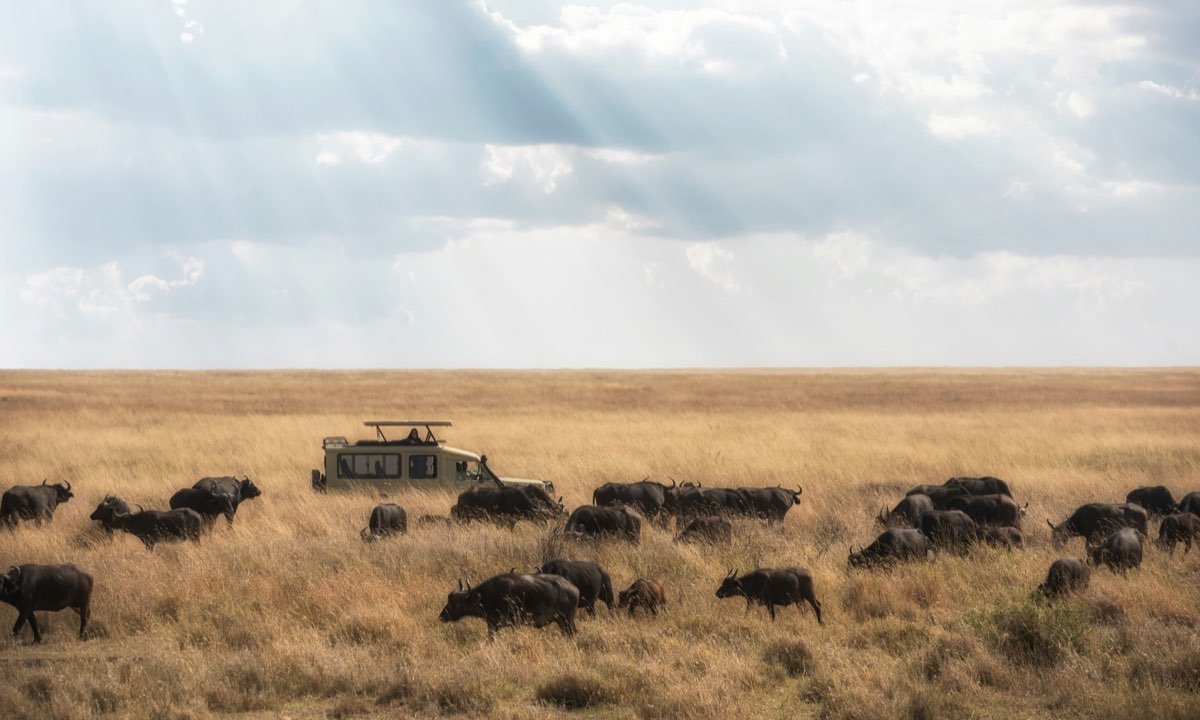
Budget Tanzania safaris (camping, shared vehicles) start from $150–$250/person/day. Mid-range lodge safaris: $350–$600/day. Luxury private camps: $600–$1,500+/day. The key differences are accommodation, vehicle privacy, and guide exclusivity — not the wildlife itself, which is equally spectacular at every price point.
One of the most important decisions when planning a Tanzania safari is choosing your accommodation and service level. From budget camping under the stars to ultra-luxury lodges with private plunge pools, the range of options can feel overwhelming. This guide breaks down exactly what you get at each level so you can choose the safari style that matches your expectations and budget.
Understanding Safari Categories in Tanzania
Tanzania safari operators generally categorize their offerings into three to four tiers. While the exact names vary, the industry standard breaks down as follows:
- Budget: $180-350 per person per day
- Mid-Range: $400-800 per person per day
- High-End: $600-1,200 per person per day
- Premium/Luxury: $1,000-2,000+ per person per day
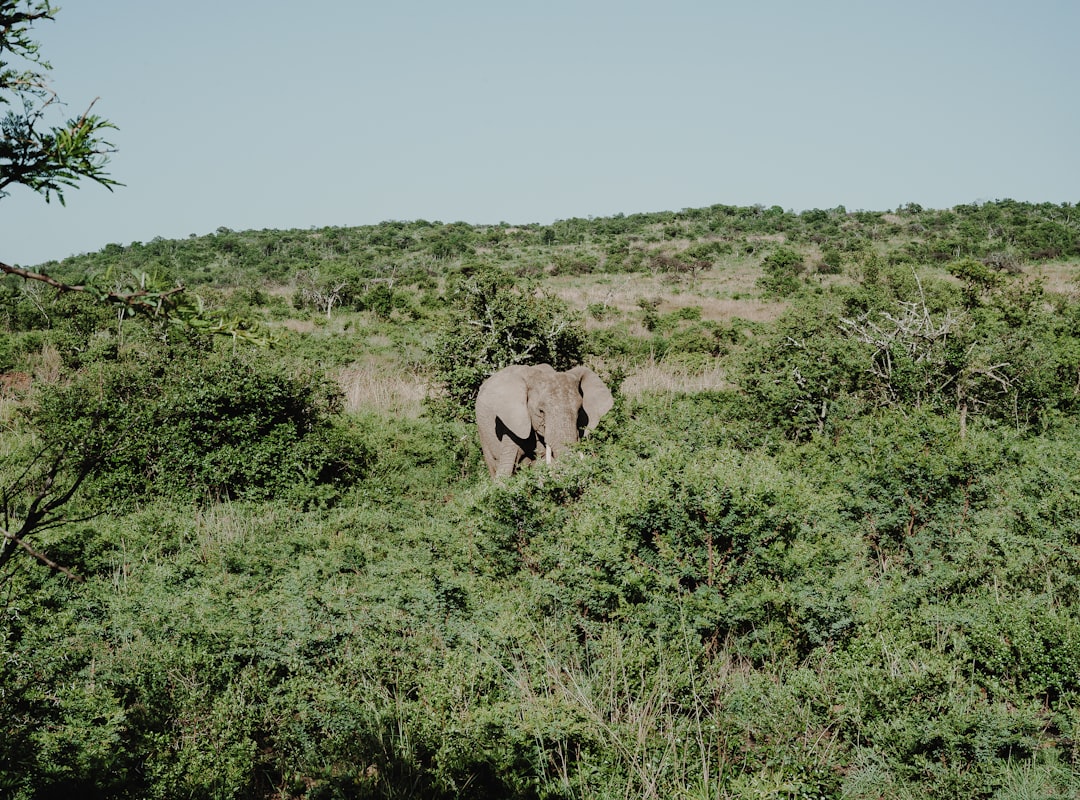
The critical thing to understand is that all tiers visit the same national parks and see the same wildlife. A lion does not care whether you are staying in a $200/night camp or a $2,000/night lodge. The differences lie in accommodation comfort, service quality, exclusivity, and included activities.
Accommodation: Camping vs Lodges vs Luxury Camps
Budget Camping Safari: What a Real Day Looks Like
A budget camping safari in Tanzania is not a glamping experience dressed up as "adventure." It is functional, direct, and when done well, it puts more of your money into actual park time than into a lodge's spa budget. Here is what a typical budget camping safari day actually looks like from the inside.
5:30am — Wake-up call. Your camp cook or guide knocks on your tent. Hot tea or coffee is ready at the communal dining area — a tarp-covered table with folding chairs. You are on a public campsite inside or near the park: Seronera Public Campsite in the central Serengeti, or Ndabaka Gate Campsite near the western entrance, or Simba A/B/C campsites on the Ngorongoro Crater rim. These are designated TANAPA public campsites with basic long-drop toilets and a water point. No electricity, no permanent structures beyond the toilet block.
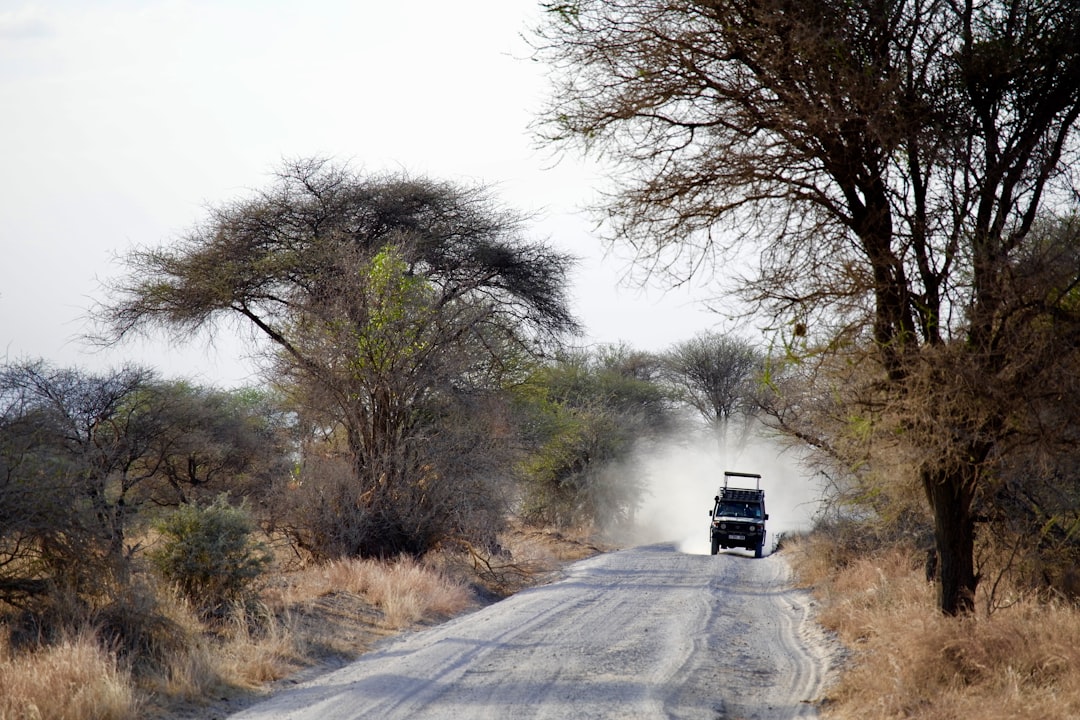
6:00am — Game drive departure. You load into a shared Land Cruiser with up to 6–7 other passengers. The vehicle has a pop-top roof that opens for game viewing — the same roof configuration used in mid-range and luxury operators, though the vehicle's age and maintenance quality will vary. Your driver-guide navigates via radio communication with other guides about sightings. You follow the same roads and see the same animals as the $1,500-per-night camp next door. A lion kill at Seronera does not discriminate.
Game drive, mid-morning. A packed lunch is distributed — typically a box or bags containing a sandwich, fruit, hard-boiled eggs, juice, and a snack. You eat on the game drive or at a designated picnic site inside the park. No hot meals between breakfast and dinner on most budget itineraries.
1:00–3:30pm — Camp break. Return to camp during the hottest part of the day when animal activity slows. This is downtime: read, rest in your tent, charge devices if your operator supplies a camp solar charger. Some operators skip this return entirely and stay in the park for a full day drive, which gives more game viewing time but means lunch is cold food in the field.
Shower situation: Public campsites do not have running showers. Some budget operators rig a basic bucket shower — a canvas bag hung from a tree branch with a nozzle — filled with water heated on the cook stove. Cold water is the default unless you specifically ask your operator how showers are handled. This is the most significant comfort gap between budget and mid-range, and it is worth knowing before you arrive.
6:30pm — Sundowner and dinner. Sunsets on the Serengeti plains are consistent and spectacular regardless of your budget. Your cook prepares a hot dinner — typically a protein (chicken, beef, or fish), rice or ugali, vegetables, and soup. Camp cooks on reputable budget operators produce good food with limited equipment. Dinner is at the communal table by headlamp or lantern.
What is included in a budget package:
- All park entrance fees and camping fees
- Driver-guide and shared 4WD vehicle
- Tent (typically 2-person dome tent, not the canvas ensuite tents of mid-range), sleeping bag or bedding on request
- All meals from Day 1 dinner to last day lunch
- Drinking water (filtered or bottled) during drives
- Airport/hotel transfers within the circuit
What is typically excluded:
- Flights (international and domestic) — budget safaris almost always use road transfers between parks
- Alcoholic beverages
- Visa fees, travel insurance
- Ngorongoro Conservation Area fee for entering the crater ($70/vehicle) — sometimes billed separately
- Balloon safaris (Serengeti, $599 per person) and other optional activities
- Gratuities for guide and cook
Specific public campsites inside the Serengeti:
- Seronera Public Campsite — Central Serengeti, adjacent to the Seronera River. Closest public campsite to the Seronera Valley's resident lion prides and leopard territory along the Seronera and Wandamu rivers. Basic long-drop facilities, designated fire areas, water point. Animals walk through camp at night — this is normal and part of the experience, not a safety failure. We brief clients on camp animal protocols on arrival.
- Ndabaka Gate Campsite — Western Serengeti, near the Grumeti River. A quieter site most often used by budget groups entering from the west. During June–July, the wildebeest migration crosses the Grumeti, and this campsite puts you within 20–30 minutes of the river crossing action. Far less traffic than Seronera.
- Lobo Public Campsite — Northern Serengeti near Lobo, used as a base for July–October migration season when the herds have pushed north toward the Mara River. Very few operators bring clients this far north on a budget itinerary, which means dramatically less vehicle congestion at sightings.
Mid-Range: Specific Lodges by Park
The mid-range tier is where the majority of Tanzania's established lodge infrastructure sits. These are permanent lodges with real rooms, restaurants, bars, and swimming pools — built to deliver consistent quality at a price point that the upper-middle market can sustain. What defines "mid-range" is not the comfort of the room but the service model: you share a vehicle with other guests (maximum 6), the dining is set menu rather than a la carte, and activities are structured around the lodge's schedule rather than your personal preferences.
Serengeti — Serengeti Sopa Lodge: Located on a rocky kopje in the Nyamuma Hills southeast of Seronera, Sopa is one of the most established mid-range lodges in the Serengeti. 97 rooms built into the hillside with views across the Serengeti plains. Rates run approximately $280–380 per person per night sharing in high season (July–September), inclusive of meals, park fees, and shared game drives. The infinity pool on the kopje overlooks a waterhole that attracts elephant in the evenings. The vehicle sharing model means up to 6 guests per Land Cruiser; drives depart at fixed times (6:00am and 3:30pm) unless you pay for a private vehicle supplement.
Ngorongoro — Ngorongoro Sopa Lodge: Perched on the western crater rim at 2,400m, Ngorongoro Sopa Lodge offers crater-rim rooms with direct views into the caldera. 197 rooms — significantly larger than luxury crater-rim properties. Rates approximately $220–320 per person per night sharing. Set menu dining at the main restaurant; breakfast begins at 5:30am to allow early crater descent. Lodge vehicles with shared seating take guests down the Sopa Gate road into the crater floor. The lodge's size means it serves large tour groups; manage expectations on service personalisation accordingly.
Tarangire — Tarangire Sopa Lodge: Situated in the park's northern sector near the Tarangire River, this lodge has 75 rooms with views over the Tarangire River valley — where elephants congregate in very high density during the dry season (June–October). Rates approximately $200–280 per person per night sharing. Stone-and-thatch construction, en-suite bathrooms, swimming pool, restaurant. The vehicle model is shared with a maximum of 6 guests; game drives follow the Tarangire River corridor where elephant sightings are essentially guaranteed in dry season.
What "mid-range" means in practice:
- No private vehicle or guide — shared vehicle with up to 6 guests, fixed departure times
- Set menu dining — quality is good and dietary requirements are accommodated, but the menu rotates on a fixed cycle, not prepared on request
- Standard room — en-suite bathroom, hot water, air conditioning or fan, often a veranda with views; not a private pool, not butler service
- Drinks not typically included — meals are included in the rate, but alcoholic beverages are charged separately or at a supplement
- Laundry service available, usually at additional cost
- Wi-Fi in common areas at most properties; signal quality varies significantly
Luxury: Specific Camps and What Exclusive Actually Means
The luxury tier in Tanzania operates on a fundamentally different service model, not just a more expensive version of mid-range. The core differences are: private vehicle and guide from the moment you arrive in Tanzania, small camp sizes that create genuine exclusivity, and access to activities — night drives, guided bush walks, off-road driving in private concessions — that are not available to standard park visitors. Here are the specific properties and rates that define this segment.
Serengeti — Four Seasons Safari Lodge Serengeti: Positioned in the Seronera area with 77 suites and villas, the Four Seasons is the largest "luxury" property in the Serengeti and the most accessible entry point to the luxury tier in terms of booking process (Four Seasons global reservation system). Rates run $900–1,400 per person per night sharing in peak season. Private vehicle is available at supplement; the standard rate includes a shared game drive vehicle. The infinity pool overlooking a lit waterhole and the underground viewing chamber are the property's signature features.
Serengeti — Singita Grumeti: Located in the 350,000-acre Grumeti Reserves private concession on the western Serengeti. Rates from $2,000 per person per night sharing, including all meals, all beverages, game drives, and most activities. Maximum camp sizes across Singita's three Grumeti properties (Sasakwa Lodge, Sabora Plains Camp, Faru Faru River Lodge) average 8–12 rooms. The private concession means no other operator vehicles — only Singita guests access this territory. Night drives, guided walks, and off-road driving are all included. Rates include a significant conservation levy that funds the Grumeti Fund's anti-poaching and community programs.
Serengeti — Asilia's Namiri Plains: Located in the eastern Serengeti, in a concession area that was closed to tourism for 20 years specifically to allow cheetah populations to recover. It worked — Namiri Plains consistently delivers the highest cheetah sighting frequency of any camp in the Serengeti ecosystem. Rates $700–1,100 per person per night sharing. 10 tents, fully all-inclusive, private vehicle. The eastern Serengeti plains are also where the calving season concentrates in January–February, making Namiri a top choice for that season.
Ngorongoro — Ngorongoro Crater Lodge: Built on the crater rim at 2,400m above sea level, Crater Lodge is among the most architecturally distinctive safari properties in Africa — Maasai-inspired design combined with what the original owners called "banana republic baroque." 30 suites divided across three camps (North, South, and Tree Camps), each with private butler service. Rates $1,200–1,800 per person per night sharing, all-inclusive. Butler brings your morning coffee to your bedside before the 6:00am crater descent. Private vehicle into the crater is standard — no shared vehicles at this price point. Views from the crater-rim suites, particularly from North Camp, directly into the caldera are genuinely extraordinary.
What "exclusive" means in practice at the luxury tier:
- Private vehicle and guide from arrival to departure — not a shared Land Cruiser, not a fixed schedule. Your guide plans each day around what you want to see and how long you want to stay at a sighting.
- Fly-in transfers — most luxury clients fly between parks on scheduled or charter flights (Coastal Aviation, Auric Air, or dedicated charter). A Serengeti-to-Ngorongoro road transfer takes 5–6 hours; the same journey by light aircraft takes 35 minutes. The time saving across a 7-day itinerary is significant.
- Butler service — at properties like Ngorongoro Crater Lodge and Singita Sasakwa, a personal butler manages your schedule, prepares your room, coordinates with the kitchen on dietary preferences, and is available throughout the day. This is genuine service, not a title.
- Bush dinners and sundowners — dinner served in the field, around a fire, on a riverbed, or at a scenic viewpoint. These are not occasional add-ons at luxury camps; they are scheduled as standard elements of the stay.
- Maximum 4–6 guests in a vehicle — most luxury operators cap vehicles at 4 guests; several properties (Singita, &Beyond, Asilia) run 2–4 guests per vehicle as a standard. At a sighting, a private vehicle means your guide can position optimally, not negotiate position with 8 other vehicles.
- Private concession access — camps like Singita Grumeti operate in private conservancies where TANAPA rules do not apply. Off-road driving, night drives, and guided bush walks are available. In TANAPA-managed parks, off-road driving is prohibited, night drives are prohibited, and walking outside a vehicle is prohibited except in designated areas.
Five Questions to Determine the Right Tier for You
Most people know roughly how much they want to spend, but the tier decision involves more than budget. These five questions sharpen the choice faster than any price comparison.
1. What is your group size?
Solo travelers and couples benefit most from mid-range or luxury — you pay a private vehicle supplement at budget, which often narrows the cost gap to mid-range more than you expect. Groups of 4–6 fit efficiently into a shared vehicle on a budget safari and can cost-share a private vehicle at mid-range rates, making mid-range more accessible per person. Groups of 8+ typically split into two vehicles regardless of tier.
2. What are your photography goals?
If you carry serious camera equipment and expect to photograph predators, a private vehicle is close to mandatory. With a shared vehicle, you cannot control positioning at a sighting, you cannot ask the driver to wait 40 minutes at a lion kill, and you cannot adjust the vehicle angle for the light. Every one of these matters in photography. Budget camping with a private vehicle supplement is possible and sometimes cheaper than mid-range. Alternatively, mid-range or luxury with a confirmed private vehicle resolves this entirely.
3. How do you feel about camping?
This is honest self-assessment, not a judgment. Some people sleep well in a dome tent on a public campsite with elephants moving through camp at 2:00am — they find it thrilling. Others find it genuinely stressful and spend the safari tired and anxious. If you are not sure, the answer is probably mid-range. A bad night's sleep at a public campsite compounds over a 7-day itinerary.
4. How flexible is your budget, and what would you cut?
A budget safari uses road transfers, which save significant money but add travel time. The road from Arusha to Seronera in the central Serengeti is 330km and takes approximately 7–8 hours. A flight takes 50 minutes and costs roughly $350 one way per person. Over a 7-day circuit (Tarangire, Serengeti, Ngorongoro), flying versus driving adds approximately $900–1,200 per person to the total cost. Whether that is worth it depends on how you value time versus money. Luxury safaris almost always include fly-in transfers; budget safaris almost never do.
5. How much total time do you have in Tanzania?
Budget safaris compensate for their lower daily cost by spending more days in the parks — 8–10 days is standard. Luxury safaris achieve high impact in fewer days because of private vehicles, fly-in logistics, and prime locations, making a 5–6 day luxury itinerary substantively richer than a 5-day budget circuit. If you have 10+ days, budget camping gives you more raw wildlife time per dollar. If you have 5–6 days and want a complete, high-quality experience, the efficiency of luxury justifies the cost difference.
Hidden Value at Each Tier
Budget Safari: The Value That Does Not Appear in Brochures
More time in parks per dollar. A budget safari running 8–10 days at $200–300 per day gives you 80–100 hours inside national parks. A 5-day luxury safari at $1,200 per day gives you 40–50 hours. The budget safari has twice the park time for two-thirds of the total cost. For someone whose priority is wildlife volume and variety — seeing the migration, finding all the Big Five, photographing multiple species — the budget model delivers more of the primary goal per dollar spent.
Less administration, more flexibility. Budget camping safaris have fewer moving parts. There are no flight connections to miss, no in-camp scheduling, no reservations to honour. If you spend an extra hour at a cheetah sighting and arrive at camp at sunset instead of midday, nobody minds. This spontaneity is harder to maintain in lodges with set meal times and structured activity schedules.
Social dimension. Sharing a vehicle and campfire with other travelers from different countries is a specific type of experience that some people value highly and others actively dislike. It is the backpacker hostel versus private hotel trade-off applied to safari. Budget camping tends to attract a particular type of traveler — younger, flexible, willing to trade comfort for experience — and the social dimension can be a meaningful part of the trip.
Luxury Safari: The Value That Justifies the Price
Time saved is real money. At $1,500 per day, the time calculus changes. A private vehicle means no waiting for other guests at departure. Fly-in transfers eliminate full driving days. Your guide adjusts the day based on radio reports of sightings — you spend your time at animals, not driving past empty plains toward a lunch stop. Across a 6-day luxury itinerary, these efficiencies typically translate to 20–30% more actual game viewing time than the activity schedule suggests.
Access to experiences that don't exist in standard parks. Night drives in private concessions are the clearest example — nocturnal predator behavior, bushbaby sightings, hyena hunts, and leopard activity are largely invisible to standard safari guests who must be out of vehicles and off-road by 7:00pm. Walking safaris with armed rangers read tracks, identify insects, and interpret the landscape at a level impossible from a vehicle. These experiences have no budget equivalent.
The compounding effect of a great guide. Luxury operators can pay specialist guides significantly more — $3,000–5,000 per month versus $800–1,500 at budget operators. The result is that the best guides in Tanzania disproportionately work at luxury camps. A Singita or Asilia guide who has spent 10–15 years in a specific ecosystem knows individual animals by sight, predicts behavior based on observation, and interprets what you are seeing at a depth that makes the safari genuinely educational rather than just photographic. This is the hardest luxury advantage to quantify but the one our returning clients most consistently cite.
Wildlife Viewing: Does Budget Mean Less Wildlife?
This is the most common misconception about safari tiers. The short answer is: no. The animals are the same regardless of your accommodation level. However, there are subtle differences in the wildlife viewing experience:
Budget Safari Wildlife Experience
- Shared safari vehicle (4-6 passengers) — your schedule is shared with others
- Standard game drive times (morning and afternoon) with fixed durations
- More time spent driving to and from parks if accommodation is outside park boundaries
- Experienced guides, though possibly with less specialized training
Luxury Safari Wildlife Experience
- Private vehicle with a dedicated expert guide — your schedule, your pace
- Flexible game drive timing — stay with a sighting as long as you want
- Night drives and walking safaris available in private concessions
- Highly trained specialist guides (many with degrees in ecology or zoology)
- Camp locations inside parks mean you are already in prime territory when you start your drive
Service Levels and Included Amenities
| Feature | Budget | Mid-Range | Luxury |
|---|---|---|---|
| Vehicle | Shared (4-6 pax) | Private or small group | Private, custom vehicle |
| Guide | Professional driver-guide | Experienced guide | Expert specialist guide |
| Meals | Set menu, good quality | Varied menu, above average | Gourmet, dietary catering |
| Drinks | Water, tea, coffee | House wines, local beer | Premium wines and spirits |
| Laundry | Not included | Usually included | Daily included |
| Wi-Fi | Rarely | Common areas | In-room at some properties |
| Transfers | Road transfers | Road or domestic flights | Charter flights available |
| Activities | Game drives | Game drives, cultural visits | Game drives, walks, night drives, balloons |
Which Safari Style Suits You?
Choose a budget safari if:
- Your primary goal is seeing wildlife and you are flexible on accommodation comfort
- You enjoy meeting other travelers and do not mind sharing a vehicle
- You want to maximize the number of days on safari within a set budget
- You are young, adventurous, and prioritize experiences over amenities
Choose a mid-range safari if:
- You want a balance of comfort and value
- Private vehicle and flexible schedule matter to you
- You appreciate good food, a pool to return to, and en-suite facilities
- You are traveling as a couple or family and want privacy
Choose a luxury safari if:
- You are celebrating a special occasion (honeymoon, anniversary, retirement)
- Exclusivity, privacy, and personalized service are priorities
- You want access to private concessions with activities beyond standard game drives
- Budget is less of a constraint than quality of experience
Frequently Asked Questions
Is a budget safari in Tanzania safe?
Yes, when booked through a licensed operator. Tanzania's national parks are managed by TANAPA, and the basic safety infrastructure — warden presence, vehicle standards, radio communication — is the same regardless of your accommodation level. The risks that increase at lower price points are not safety risks but experience quality risks: less experienced guides, older vehicles, or operators who do not enforce animal safety protocols at camp. Book with a licensed operator registered with the Tanzania Association of Tour Operators (TATO) and ask directly about guide certification and vehicle maintenance schedules. Budget does not mean unsafe; unlicensed does.
Can I combine a budget Serengeti safari with a luxury night at Ngorongoro?
Yes, and this is one of the most cost-effective strategies for Tanzania. The logic is simple: inside the Serengeti, you spend most of your waking hours in a vehicle and return to camp mainly to eat and sleep. The marginal value of upgrading from a public campsite to a mid-range lodge inside the park is real but not dramatic. Ngorongoro is different. You spend one night at the crater rim and descend for a single full day in the crater. The view from a crater-rim room — waking up to the caldera below at sunrise — is one of the defining Tanzania experiences. Spending $500–700 more per person for one night at a crater-rim lodge like Ngorongoro Sopa or Rhino Lodge is a logical splurge even on an otherwise budget-focused itinerary. We build these mixed itineraries regularly.
Do budget and luxury safaris see the same animals?
In TANAPA national parks, yes — the same roads, the same animals, the same parks. A shared Land Cruiser at Seronera and a private Four Seasons vehicle at Seronera drive the same tracks and access the same sighting locations. The difference is flexibility: a private vehicle can wait 90 minutes for a cheetah to make a kill; a shared vehicle with 5 other guests who want lunch cannot. In private concessions used by luxury operators (Grumeti Reserves, Namiri Plains concession), the wildlife access is genuinely exclusive and includes nocturnal species and behavioral sequences not visible from standard vehicles.
What is the minimum budget for a decent Tanzania safari?
Budget roughly $180–220 per person per day all-inclusive for a camping safari — this covers park fees, camping fees, guide, vehicle, meals, and accommodation. On a 7-day Northern Circuit (Tarangire, Serengeti, Ngorongoro), that works out to $1,260–1,540 per person before flights and international travel. Below $150 per day, you are in territory where park fees alone make a sustainable, ethical operation difficult — something is being cut, usually crew wages or vehicle maintenance. Above $350 per day you are crossing into mid-range territory with lodges, private rooms, and more experienced guides. Our own budget packages start at $180 per person per day and include TATO-licensed guides, good camp food, and reliable vehicles.
How much should I tip on a Tanzania safari?
The industry standard for gratuities is $10–15 per guest per day for the driver-guide, and $5–7 per guest per day for the camp cook on camping safaris. On a 7-day safari with one guide and one cook, that is approximately $105–150 for the guide and $35–50 for the cook. Tips are given directly in cash at the end of the safari. At luxury camps, the tip is sometimes pooled for the entire camp staff — your camp manager will advise on the preferred method. Tipping is not mandatory but is expected and represents a significant portion of guide and crew income in Tanzania's tourism economy.
Our Recommendation: Mix Your Levels
One of the smartest approaches is mixing accommodation levels across your itinerary. For example:
- Spend your Ngorongoro night at a luxury crater rim lodge — the views are worth the splurge
- Stay at mid-range camps in the Serengeti — you will spend most of your time in the vehicle anyway
- Use budget accommodation in Arusha for your arrival and departure nights
This approach lets you experience luxury where it matters most while keeping overall costs manageable.
Find Your Perfect Safari Level
At iTanzania Safaris, we offer quality experiences across all budget levels — from our budget camping safaris to premium lodge itineraries. Our February & March 2026 package offers four distinct tiers starting from $1,476 per person, letting you choose exactly the level that works for you.
Not sure which tier is right? Contact our team and we will recommend the best combination based on your priorities, group size, and budget. Browse all our safari packages to compare options.
Ready to Plan Your Tanzania Adventure?
Our local safari experts in Arusha will craft a personalized itinerary just for you. No obligation, free consultation.
Get Your Free Quote