Mount Kilimanjaro Climbing Guide: Routes, Costs & Success Rates 2026
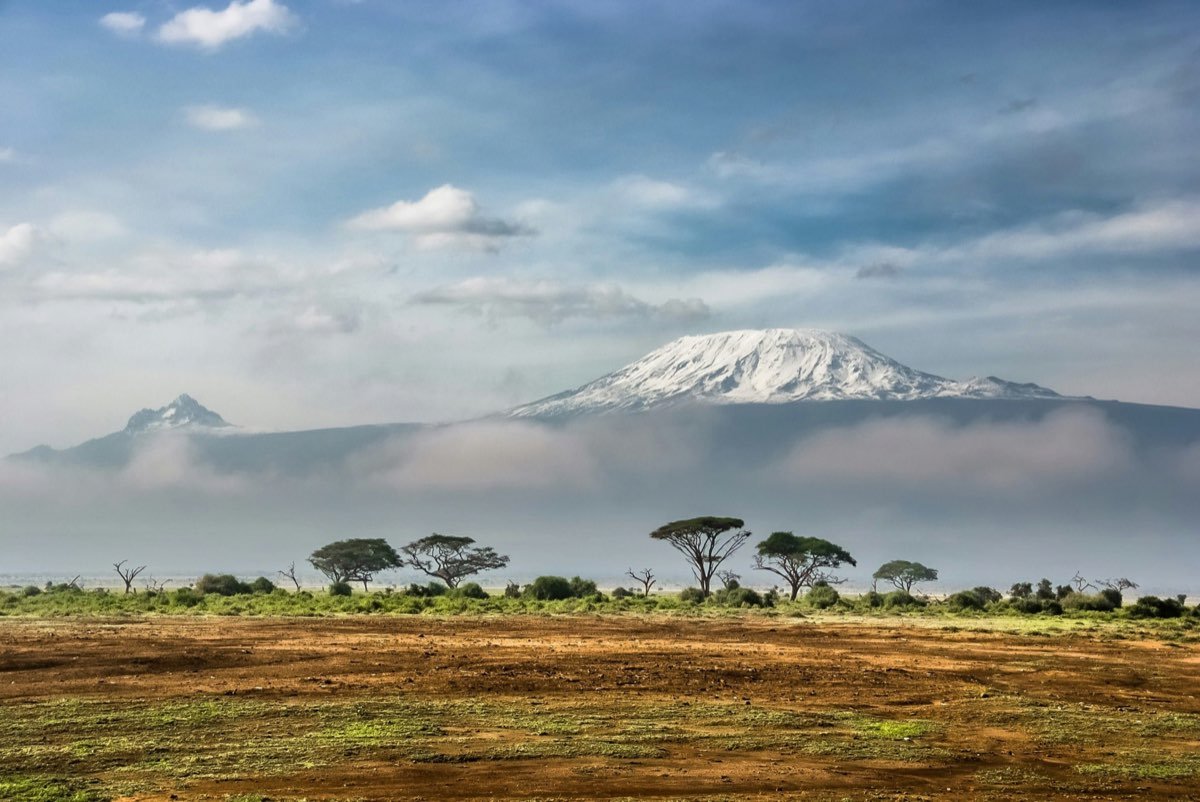
Mount Kilimanjaro (5,895m / 19,341ft) is Africa's highest peak and the world's tallest free-standing mountain. Climbing requires no technical skills — only fitness and acclimatisation. Overall summit success rate: 65% across all routes. On longer routes (Lemosho 8 days): 85–90%. Best months: January–March and June–October.
Mount Kilimanjaro stands at 5,895 meters (19,341 feet) as Africa's highest peak and the world's tallest free-standing mountain. Unlike the Himalayas or Andes, Kilimanjaro requires no technical climbing equipment — just determination, proper preparation, and a reliable guide. This comprehensive guide covers every route, the costs involved, success rates, and how to prepare for your summit attempt.
Kilimanjaro at a Glance
Located in northern Tanzania near the city of Moshi, Kilimanjaro is a dormant stratovolcano with three volcanic cones: Kibo (the summit), Mawenzi, and Shira. The summit point, Uhuru Peak on Kibo, is the highest point in Africa.
What makes Kilimanjaro unique is its accessibility. You do not need ropes, crampons, or mountaineering experience. The challenge is altitude — ascending nearly 4,000 meters from the gate to the summit over several days while your body acclimatizes to decreasing oxygen levels.
Choosing Your Route: All Major Options Compared
Machame Route ("Whiskey Route") — Most Popular
- Duration: 6-7 days
- Success rate: 85-90% (7-day variant)
- Difficulty: Moderate to Challenging
- Scenery: Excellent — passes through 5 distinct climate zones
- Best for: Fit hikers wanting the best balance of scenery, acclimatization, and challenge
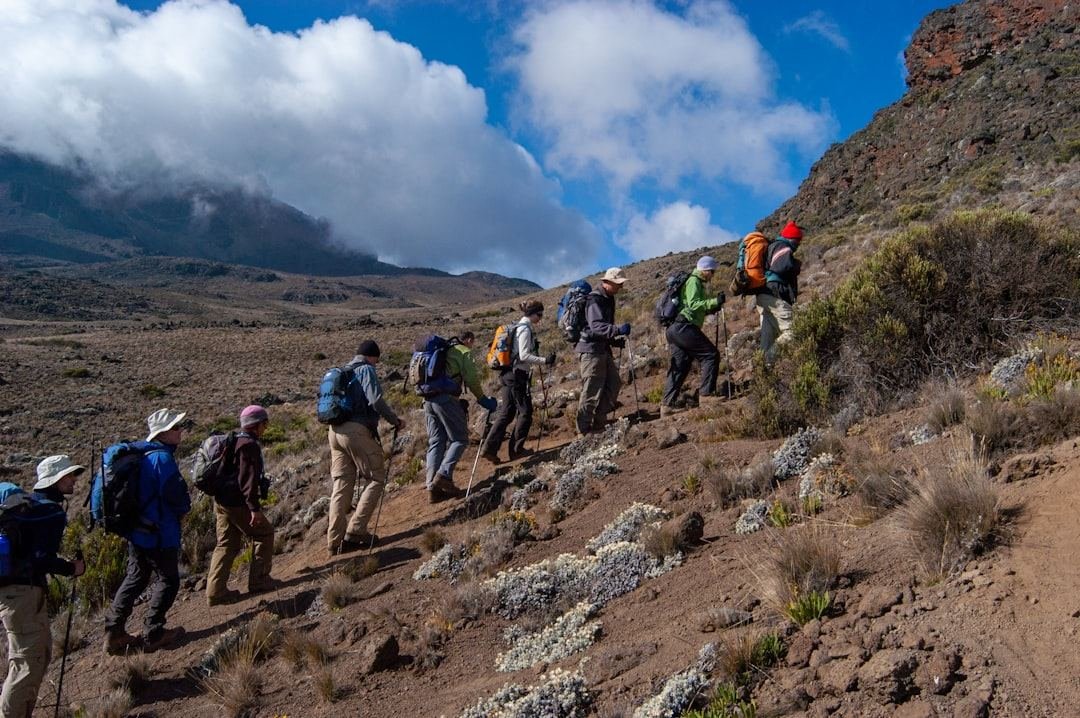
The Machame Route is the most popular route for good reason. It follows a "walk high, sleep low" profile that aids acclimatization, and its varied terrain — from rainforest to alpine desert to glaciers — makes every day visually distinct.
Lemosho Route — Best Overall
- Duration: 7-8 days
- Success rate: 90-95% (8-day variant)
- Difficulty: Moderate
- Scenery: Exceptional — remote western approach with Shira Plateau panoramas
- Best for: Those who want the highest summit success rate and the most scenic experience
Lemosho is widely regarded as the best route on Kilimanjaro. Its longer duration allows superior acclimatization, the western approach is less crowded for the first few days, and the Shira Plateau crossing offers some of the mountain's finest views.
Marangu Route ("Coca-Cola Route")
- Duration: 5-6 days
- Success rate: 65-70% (5-day), 80% (6-day)
- Difficulty: Moderate
- Scenery: Good — gentler terrain, less varied
- Best for: Those who prefer hut accommodation over camping
Marangu is the only route with dormitory-style hut accommodation. Its gradual approach is often perceived as "easy," but the shorter duration gives less acclimatization time, resulting in the lowest success rates among popular routes.
Rongai Route — Northern Approach
- Duration: 6-7 days
- Success rate: 80-85%
- Difficulty: Moderate
- Scenery: Good — unique northern perspective, drier conditions
- Best for: Those climbing during wet season (the north side receives less rain)
Northern Circuit — Longest Route
- Duration: 9-10 days
- Success rate: 95%+
- Difficulty: Moderate (due to length, not technicality)
- Scenery: Complete circumnavigation — the most comprehensive Kilimanjaro experience
- Best for: Those with time who want maximum acclimatization and solitude
Kilimanjaro's Five Altitude Zones
Every route on Kilimanjaro passes through five distinct ecological zones. Understanding what each zone looks and feels like prepares you mentally and helps you pack correctly. The transition between zones is dramatic — within a week you will walk from equatorial farmland to arctic ice.
| Zone | Elevation | Temperature Range | Vegetation & Landscape | What to Expect |
|---|---|---|---|---|
| Cultivation Zone | 800–1,800m | 20–30°C (68–86°F) | Chagga farmland, banana and coffee plantations, scattered homesteads | This is the approach zone you drive through from Moshi or Arusha. You pass through it before reaching most trailheads. Warm and humid. No acclimatization stress here. |
| Forest Zone | 1,800–2,800m | 10–20°C (50–68°F) | Dense montane rainforest, mosses, ferns, Hagenia trees draped in old-man's-beard lichen, colobus monkeys, elephant and buffalo tracks | Day 1 on most routes. Often wet underfoot, rich in birdsong and wildlife. The forest canopy can hide rain — waterproof jacket goes on here. Altitude is not yet a factor for most people. |
| Heath & Moorland Zone | 2,800–4,000m | 5–15°C (41–59°F), dropping sharply at night | Giant heathers (Erica arborea) up to 10m tall, giant groundsels (Senecio kilimanjari), lobelias, open moorland with wide views | Day 2–3 for most routes. Where mild altitude symptoms first appear in some climbers — headaches, reduced appetite, slight dizziness. The giant groundsels are unlike anything you will see elsewhere on Earth. First glimpses of the summit cone. Night temperatures drop below 5°C; a mid-layer goes on at camp. |
| Alpine Desert Zone | 4,000–5,000m | –5 to 10°C (23–50°F) by day, –10°C or colder at night | Barren volcanic scree, dust, sparse everlasting flowers (Helichrysum), little else | Day 3–5 depending on route. The most psychologically demanding phase. Landscape is austere and the scale of the summit cone becomes real. Oxygen is approximately 50% of sea-level density at 4,500m. Appetite drops, sleep is poor. This is where your acclimatization strategy matters most — use rest days, drink continuously, move slowly. Barafu Base Camp (4,673m) on Machame/Lemosho sits in this zone. |
| Arctic Zone | 5,000–5,895m | –15 to –25°C (5 to –13°F) on summit night | Ice fields, glaciers (shrinking rapidly), volcanic rock, no vegetation | Summit night and the final push. Glaciers including the Northern Ice Field and Furtwängler Glacier are what remain of Kilimanjaro's once-vast ice cap. Wind chill at the summit rim can push effective temperature to –30°C or below in July–August. This is where your down jacket, balaclava, and insulated gloves earn their place. |
Summit Night: What Actually Happens
Summit night is the defining experience of any Kilimanjaro climb. It is also the phase most people are least prepared for because nothing in the lower camps quite replicates it. Here is the timeline we follow with our clients departing from Barafu Camp on Machame/Lemosho, or Kosovo Camp on Rongai.
6:00pm — Early dinner and briefing. Your lead guide runs through tomorrow's plan, checks that everyone has all layers accessible, confirms no one is showing serious AMS symptoms. Early dinner is served — appetite is usually low but eating is important.
7:00–11:00pm — Rest. You are not expected to sleep deeply at 4,600–4,900m. Most climbers doze. The purpose is physical rest before 12–15 hours of exertion. Your guide will check on the group during this period.
11:00pm — Wake-up call. Hot tea and biscuits are served at camp. Guides help climbers with layering — this is the moment to put everything on. Full layering system, balaclava, headlamp batteries checked, trekking poles ready, daypack prepped (water, snacks, spare gloves, camera).
12:00 midnight — Departure. This is the standard start time. Darkness serves a practical purpose: the volcanic scree on the summit slope is frozen solid at night, making footing firmer. As temperatures rise in the morning, the scree loosens and becomes significantly more exhausting to climb. Moving at night also means the psychological weight of seeing the full slope above you is hidden — step by step, headlamp by headlamp.
Pace: Slower than you think necessary. Our guides keep a pace of roughly 250–300 vertical meters per hour on the ascent. Conversations drop off. You focus on breathing rhythmically — one breath per step at the steepest sections above 5,400m. Nausea, headache, and a profound desire to stop are normal. They are not signs to turn back unless they escalate. Your guide monitors every climber continuously.
5:00–6:30am — Stella Point (5,756m). Reaching Stella Point is the first major milestone and the hardest part of the climb is over. Stella Point sits on the crater rim and represents genuine summit achievement — it earns you the TANAPA Summit Certificate. Many climbers who do not reach Uhuru Peak still have a complete, meaningful summit experience at Stella. From Stella Point, the sun typically rises during your arrival window in June–October, creating the iconic orange-and-pink horizon above the clouds below.
Stella Point vs Uhuru Peak — why both matter: Stella Point (5,756m) is on the crater rim. Uhuru Peak (5,895m) is the highest point on the crater rim, 139 vertical meters higher and typically 45–75 minutes of additional walking along a gentler but cold crater rim path. Both earn the TANAPA certificate. If you reach Stella and your guide assesses you are capable — no severe AMS, no hypothermia risk, time is on your side — you continue to Uhuru. If conditions deteriorate (frostbite risk to extremities, disorientation, extreme nausea), Stella is the turnaround point. We never pressure climbers to push on when it is unsafe to do so.
6:00–7:30am — Uhuru Peak (5,895m). The summit. The famous wooden sign, the crater below, the glaciers, the clouds thousands of meters beneath you. Most climbers spend 10–20 minutes at the top — long enough for photos and to absorb the moment, short enough that cold does not become dangerous. Temperatures at Uhuru on a July morning are typically –15 to –20°C with wind chill.
Turnaround protocol: Our guides carry documented turnaround times. If a climber has not reached Stella Point by a specific cut-off (typically 7:00am), the guide calls the summit attempt and begins descent. This is a safety rule, not a judgment. Descending in daylight with sufficient energy reserves is critical. A turnaround at this point is the right decision.
Descent. From Uhuru, the descent back to Barafu Camp takes 3–4 hours on the scree slope. The loose volcanic rock that was solid at midnight is now soft — many climbers run or ski-step down, which is faster and easier on knees than expected. Arrival at Barafu is typically by 11:00am–12:00pm. A meal and 2–3 hour rest follows.
Same-day descent to lower camp. After rest at Barafu, you descend a further 1,000–1,200 vertical meters to Mweka Camp (3,100m) or Millennium Camp (3,820m) for the final night. This additional descent is mandatory — sleeping lower aids recovery and the next day's walk to the gate is shorter. By the time you reach your final camp, you have been moving for 14–17 hours. You will sleep well.
Total summit day hours: 12–15 hours from midnight departure to arrival at high camp after descent, then an additional 3–4 hours to lower camp. Total day on foot: 15–19 hours. This is the correct expectation to set before you start.
Kilimanjaro Climbing Costs
A Kilimanjaro climb is a significant investment. The cost structure has several fixed components — primarily TANAPA park fees — and variable components where operator quality differences show most clearly.
| Cost Component | Detail | Approximate Amount per Person |
|---|---|---|
| TANAPA conservation fee | $70 per person per day inside the park | $420–700 (6–10 day climbs) |
| TANAPA camping fee | $50 per person per night at designated campsites | $250–450 (5–9 nights) |
| TANAPA rescue fee | Mandatory levy funds the Kilimanjaro Mountain Rescue team | $20 flat |
| Operator fee | Covers guide, assistant guides, porters, cook, meals, tents, sleeping equipment | $900–2,500 depending on route and operator quality |
| Crew wages | Lead guide, assistant guides, porters, cook — built into operator fee at reputable operators | Included above |
| Crew gratuities | Expected by industry standard; distributed at gate ceremony on descent | $250–400 (recommended total) |
| Gear rental | Sleeping bag, down jacket, trekking poles, gaiters if not owned | $50–150 |
| Travel insurance (evacuation cover) | Helicopter evacuation from Kilimanjaro costs $5,000–15,000 without insurance. Non-negotiable. | $50–150 |
Total realistic cost range: $1,800–$4,500+ per person. The wide range reflects operator quality, route, and duration. A $1,200 Kilimanjaro package from an unlicensed operator almost certainly cuts porter wages, uses poor-quality food, and carries no emergency oxygen. Park fees alone exceed $700 for a 7-day climb.
For a detailed cost breakdown, see our Tanzania cost guide.
Success Rates by Route and Duration
The overall Kilimanjaro success rate quoted by TANAPA averages around 65–70% across all routes and durations. However, this figure includes the large number of climbers who attempt the 5-day Marangu route with inadequate acclimatization time. When you filter by route and duration, the picture changes significantly.
| Route | Duration | Success Rate (Uhuru Peak) | Notes |
|---|---|---|---|
| Marangu | 5 days | 65% | Insufficient acclimatization days; hut accommodation is the trade-off for low success |
| Marangu | 6 days | 78–82% | Extra acclimatization day makes a measurable difference |
| Machame | 6 days | 80–85% | Most popular option; good profile but tight margin |
| Machame | 7 days | 87–92% | Recommended duration; extra day at Karanga Camp aids acclimatization |
| Lemosho | 7 days | 88–92% | Remote approach reduces crowding; good profile |
| Lemosho | 8 days | 93–95% | Highest success rate of all standard routes; our top recommendation |
| Rongai | 6 days | 80–85% | Northern approach; drier conditions during wet seasons |
| Rongai | 7 days | 87–90% | Additional acclimatization night near Third Cave Camp |
| Northern Circuit | 9–10 days | 95%+ | Maximum acclimatization; complete crater circumnavigation; lowest traffic |
These figures are based on our own client records from 2019–2024 combined with TANAPA permit data published annually. The pattern is consistent: every additional day on the mountain above the minimum adds measurable percentage points to summit success. The 7-day minimum for routes other than Marangu is not a marketing upsell — it is supported by the data.
Acclimatisation Science: Why Your Body Needs Time
Altitude sickness (Acute Mountain Sickness, AMS) is caused by reduced atmospheric pressure at altitude. At 5,895m, the atmospheric pressure is approximately 50% of sea level, meaning each breath delivers roughly half the oxygen molecules your body is accustomed to. The physiological response — increased red blood cell production, deeper breathing, cardiovascular adjustment — takes time that cannot be rushed.
The "climb high, sleep low" principle is the foundation of Kilimanjaro's acclimatization strategy and is built into the profiles of better routes. On the Lemosho route, for example, climbers ascend to 4,600m (Lava Tower) on Day 4 before descending to Baranco Camp at 3,950m for the night. Sleeping at the lower elevation after the high excursion triggers a stronger acclimatization response than simply camping at 4,600m would. Your body reads the lower sleeping altitude as the reference point and produces more red blood cells accordingly. The next day, you continue upward from a stronger baseline.
Diamox (Acetazolamide) — the standard protocol: Diamox is a carbonic anhydrase inhibitor that forces faster, deeper breathing, which increases blood oxygen saturation at altitude. The standard preventive dose used on Kilimanjaro is 125mg twice daily, starting 24 hours before the first sleeping altitude above 2,500m and continuing through summit day. This lower dose (half the 250mg tablet) provides meaningful benefit while reducing the most common side effects — tingling in fingers and toes, and increased urination. Diamox does not mask AMS symptoms; it reduces the physiological stress that causes them. Consult your doctor before the climb. Diamox is contraindicated for sulfa allergies.
Hydration: Aim for 3–4 litres of water per day on the mountain. Dehydration at altitude is common because breathing dry mountain air rapidly and urinating more frequently (accelerated by altitude physiology and Diamox) depletes fluid faster than you expect. Thirst is not a reliable indicator at altitude — drink on a schedule, not on instinct. We carry water purification tablets and use approved water sources at camp; personal water bladders of 2–3L capacity work better than bottles because you drink more consistently while walking.
Symptoms of mild AMS — headache, mild nausea, fatigue, poor sleep — are normal above 3,500m and do not require descent if they do not worsen. The warning signs that trigger a mandatory descent are: confusion or altered mental state, inability to walk a straight line (ataxia), severe headache unresponsive to ibuprofen, persistent vomiting, or signs of pulmonary edema (wet cough, pink frothy sputum, extreme breathlessness at rest). Our lead guides carry pulse oximeters and supplemental oxygen. We have never lost a client to altitude sickness; early identification and decisive descent is why.
Gear List Specific to Kilimanjaro
The gear requirements for Kilimanjaro are specific to a mountain that takes you from tropical heat to sub-arctic cold within five days. The layering system is not optional — it is the primary tool your body uses to survive summit night.
Clothing: The Layering System
- Base layer (moisture-wicking): Merino wool or synthetic long-sleeve top and long johns. Cotton kills — it retains moisture and loses insulation value when wet. Pack two base layers; one for hiking, one for sleeping.
- Mid-layer (insulating fleece): 200-weight fleece or equivalent. Goes on at the moorland zone when temperatures drop. Worn under your softshell during cold mornings.
- Softshell jacket: Wind-resistant and breathable. The workhorse layer for most of the climb — warm enough for alpine desert days, packable enough for rainforest mornings.
- Hardshell jacket (waterproof): Fully seam-sealed, waterproof-breathable (Gore-Tex or equivalent). Essential for the forest zone and for any Machame/Lemosho climber who hits afternoon rain on Days 1–2.
- Down jacket (summit layer): 700-fill power minimum, synthetic or down depending on your tolerance for moisture. Goes on over everything else at Barafu before midnight departure and stays on until you descend below 5,500m on the way down. This is the single most important piece of gear for summit comfort.
- Hiking trousers: Softshell or hardshell over base-layer leggings for summit night. Zip-off trousers are practical for the lower zones.
Hands, Head, and Feet
- Gloves — liner + outer system: A thin liner glove (wool or synthetic) worn inside a waterproof outer glove or mitten rated to –20°C. Single-layer gloves are not adequate for summit night. Your hands are at highest frostbite risk during the summit push because you are using trekking poles and briefly removing gloves for photos.
- Balaclava: Full-face balaclava worn under your hood on summit night. Wind chill above 5,500m makes exposed skin dangerous. A neck gaiter is not a substitute.
- Warm hat: Wool or fleece beanie for camp evenings from Day 2 onward.
- Sun hat or cap: UV radiation at altitude is severe. A wide-brim hat or cap with neck flap protects on high-sun days in the alpine desert zone.
- Boots — minimum spec: Waterproof mid-cut or full-cut hiking boot with a stiff sole. The boot must be waterproof (not water-resistant) for the forest zone mud and any overnight frost. A worn-in boot is far more important than an expensive new one — blisters on Day 1 compromise your entire climb. Crampon compatibility is not required for climbs between March and December; January through early March, when the summit has ice, lightweight microspikes are occasionally useful but not standard.
- Gaiters: Required on the Lemosho and Rongai routes during January–March when snow covers the upper reaches. Useful on Machame after heavy rain for the forest zone mud. Short ankle gaiters are sufficient for most conditions; full-length gaiters for snow conditions.
- Trekking poles: Strongly recommended. Summit night on Kilimanjaro involves 1,200m of scree descent after 12+ hours of climbing. Poles reduce knee stress significantly. Collapsible poles that fit in a daypack are practical for the lower-zone days when terrain is easier.
Pack and Sleep System
- Daypack (25–35L): Carried by you daily with water, snacks, camera, spare layers, headlamp. Porters carry your main duffel.
- Sleeping bag: Rated to –15°C (5°F) comfort rating minimum for Barafu and summit camp. A 0°C bag is adequate for Marangu huts.
- Headlamp: Primary and spare batteries. LED headlamps are bright and battery-efficient. Check that your primary lamp has been tested — summit night is not the time to discover a fault.
- Sunglasses: Category 3 or 4 UV protection. Snow blindness is a real risk above 5,000m if any snow is present.
Crew Structure and Porter Welfare
A Kilimanjaro climb is a team effort. When you summit, a team of 8–15 people has made it possible. Understanding who those people are and what they carry matters — both ethically and practically, because crew quality directly affects your summit experience.
Who Is On Your Mountain Team
- Lead guide: Licensed by TANAPA and the Kilimanjaro National Park authority. Responsible for route decisions, medical assessments, turnaround calls, and emergency management. Our lead guides have completed Wilderness First Aid certification and carry a pulse oximeter, emergency oxygen canister (2–4 litres, sufficient for stabilisation and assisted descent), and satellite communication device.
- Assistant guides: The standard ratio is one assistant guide per two climbers. On a group of six climbers, you will have three guides total — one at the front setting pace, one in the middle, one at the rear ensuring no one is left behind. This ratio is our company standard; some budget operators run one guide per eight climbers, which is insufficient for genuine safety.
- Porters: Carry all camp equipment, food supplies, and client duffel bags between camps. Porter loads are regulated by the Kilimanjaro Porters Assistance Project (KPAP) at a maximum of 20kg per porter, excluding the porter's own personal gear. A well-managed climb employs one porter per climber at minimum, and typically more depending on the equipment load.
- Cook: Prepares three meals per day at camp using a pressurised camp stove. A good mountain cook is underrated — eating well above 4,000m is critical for energy and morale, and it requires skill. Our cooks prepare hot breakfasts, packed lunches, and three-course hot dinners.
KPAP Standards and Why They Matter
The Kilimanjaro Porters Assistance Project (KPAP) is an independent organisation that audits Kilimanjaro operators against a set of fair treatment standards for mountain crew. KPAP-participating operators commit to the following minimum standards:
- Maximum porter load of 20kg (excluding personal gear)
- Porters receive proper rain gear, gloves, boots, and warm clothing — not just a light jacket for a –15°C mountain
- Porters sleep in proper tents, not left outside in the cold while clients occupy tents
- Porters receive adequate food — the same quality and quantity as guides
- Minimum wage standards are paid and enforced
- Tip distribution is transparent and confirmed by KPAP auditors
KPAP conducts spot-checks at the mountain gates where they weigh porter loads and verify crew equipment. When you book with a KPAP-participating operator, you have independent third-party verification that these standards are being met, not just self-reported by the operator.
Why does this matter for you as a climber? Porters who are cold, hungry, and carrying overloaded bags move slowly and unreliably. A crew that is treated fairly is motivated, experienced, and focused on the team's success. The ethical and practical arguments for KPAP compliance point in the same direction. We are a KPAP-participating operator and encourage every prospective climber to verify this status before booking with any company.
Success Rates: How to Maximize Your Chances
The overall Kilimanjaro success rate is approximately 65-70%, but this varies dramatically by route and preparation:
- Choose a longer route — Extra days allow your body to acclimatize. The 8-day Lemosho has a 90-95% success rate vs. 65% for 5-day Marangu.
- Go slow — "Pole pole" (slowly, slowly) is the mountain's mantra. Rushing increases altitude sickness risk.
- Stay hydrated — Drink 3-4 liters of water per day on the mountain.
- Train beforehand — Cardiovascular fitness and leg strength make the experience more enjoyable.
- Choose experienced guides — Experienced guides recognize altitude sickness symptoms early and know when to turn back.
- Consider Diamox — Acetazolamide can help prevent altitude sickness. Consult your doctor.
Best Time to Climb Kilimanjaro
Kilimanjaro can be climbed year-round, but the two best windows are:
- January to mid-March: Dry, relatively warm, and less crowded than peak season. Clear summit views.
- June to October: The primary climbing season. Cold and dry with the highest traffic. July and August are the busiest months.
Avoid the heavy rain periods of April-May and November (though the Rongai route remains viable during rain seasons as the northern side is drier).
Training and Preparation
You do not need to be an elite athlete to climb Kilimanjaro, but physical preparation significantly improves your experience and summit chances:
- Cardiovascular fitness: Start training 2-3 months before. Hiking, running, cycling, or swimming 3-4 times per week.
- Leg strength: Squats, lunges, and stair climbing build the endurance needed for summit night (6-8 hours of steep uphill).
- Practice hikes: Do multi-hour hikes with a daypack to simulate trek conditions.
- Mental preparation: Summit night is as much mental as physical. Cold, dark, and exhausting — but the sunrise from Uhuru Peak makes it all worthwhile.
Frequently Asked Questions
Do I need any mountaineering experience to climb Kilimanjaro?
No. Kilimanjaro is a trekking peak — no ropes, harnesses, or technical climbing skills are required on any of the standard routes. What you do need is solid physical fitness, the ability to walk 5–8 hours per day for multiple consecutive days, and the mental resilience for summit night. If you regularly hike and can manage a 20km day on hilly terrain, you are a plausible candidate. If you are new to multi-day hiking, start training 3–4 months before your climb date.
What is the biggest reason climbers fail to summit?
Altitude sickness caused by going too fast on too short a route. The 5-day Marangu route has a 65% success rate precisely because it does not allow adequate acclimatization time. Climbers who choose a 7-day Machame or 8-day Lemosho itinerary, move at a controlled pace, stay hydrated, and take Diamox have success rates above 90%. Fitness matters far less than acclimatization strategy. I have guided extremely fit athletes who struggled above 5,000m, and guided 60-year-olds who summited comfortably, purely because of pacing and route selection.
Is Kilimanjaro dangerous?
Kilimanjaro has a very low fatality rate for a high-altitude mountain — approximately 3–10 deaths per year out of 50,000+ attempts, mostly from cardiac events in climbers with pre-existing conditions or severe untreated AMS. The risks are manageable with a competent guide, proper preparation, and the willingness to descend if your body does not respond well to altitude. The mandatory rescue fee collected by TANAPA funds the Mountain Rescue team based at Marangu Gate, which can reach most camp locations within hours.
Can I hire gear in Arusha or Moshi rather than bringing everything from home?
Yes. Sleeping bags, down jackets, trekking poles, gaiters, and duffel bags are all available for rent in Arusha and Moshi at rates of $2–8 per item per day. Quality varies — inspect rented sleeping bags carefully, particularly the zip and the condition of the insulation. Items worth buying rather than renting if this is a single climb: your boots (must be broken in), your base layers, and your glove system. Items that rent well: sleeping bag, down jacket, trekking poles, duffel bag. We can arrange gear rental as part of your booking and pre-check all rented items before the climb.
How far in advance should I book a Kilimanjaro climb?
For peak season dates — June through September and January through early March — book at least 3–4 months in advance. TANAPA limits the number of climbers per route per day, and popular routes fill up during peak season, particularly for groups of 4+. The quietest months for Kilimanjaro are October, November, and April–May (wet season on most routes), when you can often arrange a climb with 4–6 weeks notice. We hold permit allocations on the Lemosho and Machame routes throughout the year and can confirm availability quickly.
Combine Kilimanjaro with Safari
Many of our clients pair their Kilimanjaro climb with a Tanzania safari — either before (as a warm-up) or after (as a reward). A popular combination is 7 days on Kilimanjaro followed by a 3-4 day safari in the Serengeti and Ngorongoro, and finishing with a few days of recovery on Zanzibar's beaches.
Start Planning Your Kilimanjaro Climb
As a licensed Kilimanjaro operator based in Arusha, we run climbs on all major routes with experienced, certified guides who prioritize your safety and summit success. Our crews are well-paid and well-equipped, and our food quality on the mountain is consistently praised by our clients.
Browse our Kilimanjaro climbing packages or contact us for a personalized climbing plan based on your fitness level, schedule, and budget.
Ready to Plan Your Tanzania Adventure?
Our local safari experts in Arusha will craft a personalized itinerary just for you. No obligation, free consultation.
Get Your Free Quote