Tanzania vs Kenya Safari 2026: Which Country Offers the Best Safari?
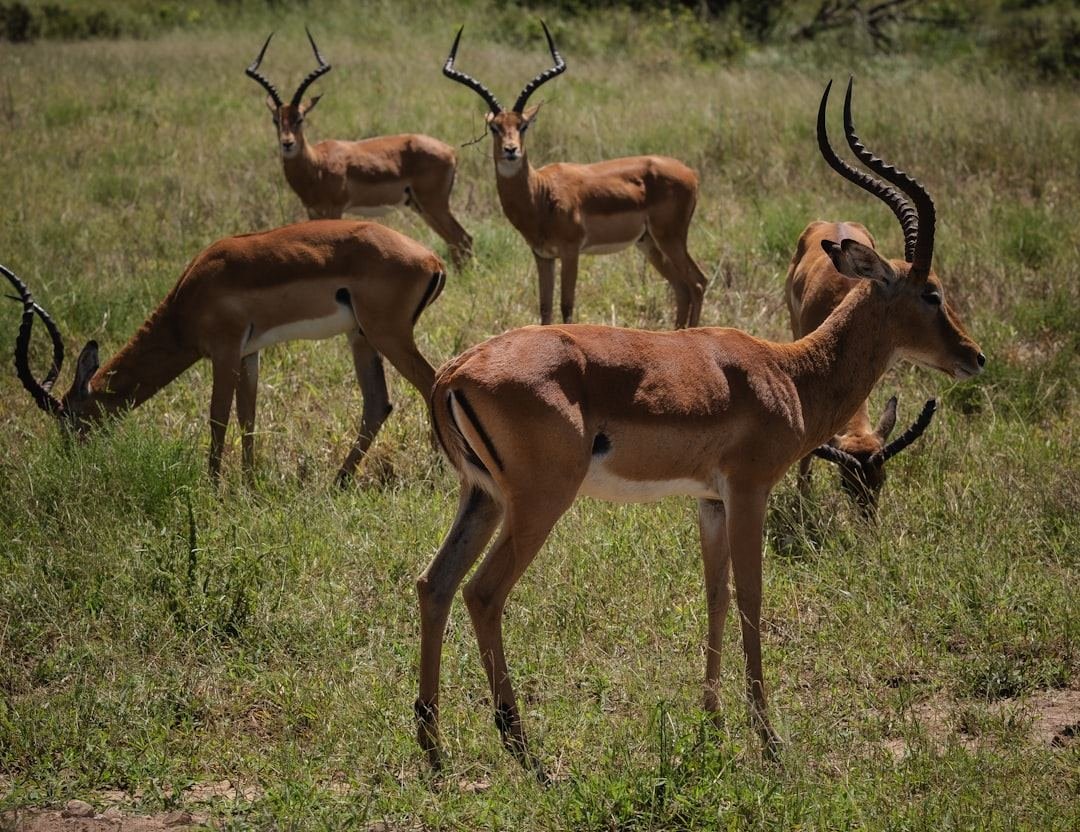
Tanzania has more protected land (38% of the country) with strictly limited vehicle numbers at sightings, ensuring less crowded game drives. Kenya's Masai Mara offers concentrated Mara River crossings August–October. Tanzania is generally 20–30% more affordable for comparable quality. Both countries share the same wildebeest migration.
Choosing between Tanzania and Kenya for your African safari is one of the most common dilemmas travelers face. Both countries offer extraordinary wildlife experiences, iconic landscapes, and world-class camps — but they are not the same destination. After years of guiding clients through both countries, we can say with confidence: Tanzania and Kenya each have distinct strengths, and the right choice depends entirely on your priorities. This honest, detailed comparison will help you decide.
The Core Difference: What Separates Tanzania from Kenya
At the highest level, Tanzania offers a more immersive, less commercialized safari experience across parks that are generally larger and less crowded. Kenya is more accessible, better connected logistically, and benefits from decades of tourism infrastructure. For the purist wildlife traveler who wants to feel genuinely remote in the bush, Tanzania consistently delivers. For first-timers who want ease and efficiency, Kenya has real advantages.
Wildlife Viewing: Which Country Wins?
Tanzania edges Kenya on wildlife volume and diversity for several reasons. The Serengeti alone covers over 14,750 square kilometers — nearly ten times the size of the Masai Mara. Tanzania's parks collectively form one of the most significant contiguous wildlife ecosystems on the planet, stretching from the Ngorongoro Conservation Area through the Serengeti and into adjacent reserves.
Big Five Comparison
- Lion: Tanzania leads, particularly in the Serengeti's Seronera Valley and Ndutu plains. The Ngorongoro Crater has one of the densest lion populations in Africa.
- Leopard: Both countries offer good leopard sightings. Kenya's Masai Mara has well-habituated individuals; Tanzania's Serengeti and Ruaha are equally strong.
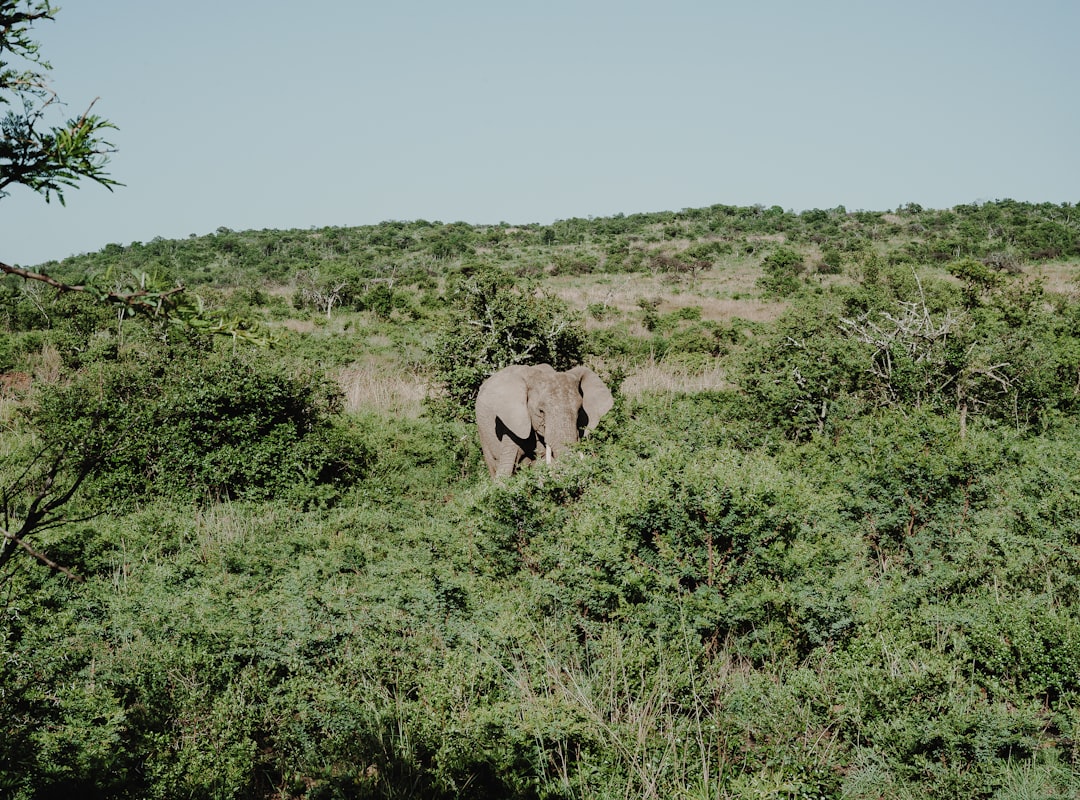
- Elephant: Tanzania dominates — the Serengeti, Tarangire, and especially Ruaha hold enormous elephant populations. Tarangire hosts some of the largest herds anywhere in Africa.
- Rhino: Kenya's Ol Pejeta Conservancy offers better rhino sightings (white and black rhino). Tanzania's Ngorongoro Crater has a resident black rhino population, but sightings are less reliable.
- Buffalo: Both countries offer excellent buffalo sightings. Tanzania's Ngorongoro Crater sees massive herds daily.
Wild Dogs & Cheetah
Tanzania's wild dog (African painted wolf) viewing in the southern circuit — particularly Nyerere (formerly Selous) and Ruaha — is among the best in Africa. Cheetah viewing in the Serengeti's short-grass plains is exceptional and arguably better than the Mara due to more open terrain.
The Great Migration: Tanzania vs Kenya
The Great Migration is the single most common reason travelers choose between these two countries. Here is the definitive breakdown:
Tanzania's Exclusive Access: The Calving Season (January–March)
The wildebeest calving season occurs entirely in Tanzania — specifically on the short-grass plains of the southern Serengeti and Ndutu area. Approximately 500,000 calves are born in a six-week window, attracting the highest concentration of predators seen anywhere in Africa. This is Tanzania-only territory; Kenya cannot offer this.
The Mara River Crossings: Shared but Different
The famous river crossings where wildebeest plunge into crocodile-filled waters occur on both sides of the border. Kenya's Masai Mara sees crossings on the Mara River from roughly July through October. Tanzania's northern Serengeti (Kogatende area) sees crossings on the same river — but from a different bank, with far fewer vehicles, a more dramatic landscape, and a more intimate experience. For the Mara River crossings, Tanzania's northern Serengeti is actually superior in terms of crowd levels.
For a detailed month-by-month guide on timing your visit, see our Serengeti Great Migration Calendar.
Crowd Levels: A Major Advantage for Tanzania
This is perhaps Tanzania's most underappreciated advantage. Kenya's Masai Mara, particularly during peak season, can have dozens of safari vehicles surrounding a single lion kill. It remains a spectacular sight, but the solitude and intimacy of the bush are compromised.
In Tanzania's Serengeti, particularly in the north and south, you routinely find yourself alone with wildlife. Even at popular sightings, vehicle concentration is notably lower due to the park's enormous size and better enforcement of off-road driving rules. Ngorongoro Crater is the main exception — it draws significant visitor numbers, especially midday — but careful timing and an early start mitigates this substantially.
Tanzania also has a strict no-off-road-driving policy in most parks, which Kenya does not uniformly enforce. This keeps the ecosystem healthier and, paradoxically, makes sightings feel more natural.
Top Parks Head-to-Head
Serengeti (Tanzania) vs Masai Mara (Kenya)
The Mara is exceptional — Kenya's tourism industry is built around it for good reason. But the Serengeti is ten times larger, less crowded, more diverse in habitat, and offers year-round wildlife spectacle that rivals anywhere on Earth. Tanzania wins this comparison, though both are must-visit destinations for dedicated safari travelers.
Ngorongoro Crater (Tanzania) vs Amboseli National Park (Kenya)
Ngorongoro Crater is a natural wonder found nowhere else — a collapsed volcanic caldera supporting a self-contained ecosystem with roughly 25,000 large mammals. The density of wildlife on the crater floor is extraordinary. Amboseli is magnificent for elephant viewing with Kilimanjaro as a backdrop, but the two parks serve entirely different purposes. Ngorongoro is more unique; Amboseli is more photogenic for elephant-Kilimanjaro imagery.
Tarangire (Tanzania) vs Samburu (Kenya)
Both are dry-country parks with distinctive character. Tarangire's elephant herds and baobab landscapes are remarkable; Samburu's "Special Five" species (Grevy's zebra, reticulated giraffe, gerenuk, Somali ostrich, Beisa oryx) are found nowhere else. These parks are genuinely different and both worth visiting.
Lake Manyara (Tanzania) vs Hell's Gate (Kenya)
Lake Manyara offers tree-climbing lions, enormous flamingo flocks, and a beautiful setting beneath the Rift Valley escarpment. Hell's Gate is Kenya's geological wonder suitable for cycling and walking. Entirely different experiences.
Cost Comparison: Tanzania vs Kenya
Tanzania is generally more expensive than Kenya for several structural reasons:
- Park fees: Tanzania's park fees are among the highest in Africa. Serengeti non-resident fees are $82 per adult per day. Kenya's Mara fees, while significant, are often lower especially for conservancy-based camps.
- Accommodation: Both countries have camps ranging from budget to ultra-luxury. Tanzania's tented camp options are comparable in pricing to Kenya's.
- Internal flights: Both countries have well-developed internal flight networks. Tanzania's network linking Arusha, Kilimanjaro, Serengeti, Ngorongoro, and Zanzibar is excellent. Kenya's Nairobi to Mara flights are equally efficient.
- Overall: A well-designed Tanzania safari at a quality mid-range level starts around $400–$600 per person per day all-inclusive. Kenya is similar at equivalent levels.
For a full breakdown of Tanzania costs at every budget level, read our Tanzania Safari Cost & Budget Guide.
Accommodation Quality
Both countries boast some of the finest safari accommodation in the world. Tanzania has exceptional options: Singita Grumeti, Four Seasons Serengeti, Namiri Plains, Ngorongoro Crater Lodge, and dozens of intimate tented camps. Kenya's Mara has Angama Mara, Mahali Mzuri, and numerous outstanding conservancy-based camps.
Tanzania arguably offers more variety and geographic spread of high-quality accommodation, particularly as you venture to lesser-visited parks like Ruaha and Nyerere where exclusive, intimate camps create a genuinely off-grid experience.
Domestic Flight Connectivity
Kenya has a slight edge in international connectivity — Nairobi's Jomo Kenyatta International Airport is a major hub with more direct long-haul connections than Kilimanjaro or Dar es Salaam. However, internal flight networks within Tanzania are excellent, with Auric Air, Coastal Aviation, and Air Excel connecting all major parks efficiently.
For northern circuit safaris (Serengeti, Ngorongoro, Tarangire), flying into Kilimanjaro International Airport (JRO) works perfectly. Arusha serves as the main safari hub for the northern circuit, with a well-developed infrastructure of tour operators, logistics providers, and connecting flights.
Visa Requirements
Both countries offer e-Visa systems for most nationalities. Tanzania's e-Visa costs $50 for a single-entry tourist visa and covers both the mainland and Zanzibar. Kenya's e-Visa system (the ETA — Electronic Travel Authorization) costs $30. East African Tourist Visa ($100) covers Kenya, Uganda, and Rwanda together — a good option if combining countries. For Tanzania specifically, the visa process is straightforward and covered in detail in our Tanzania Visa & Entry Requirements guide.
Best Months: Tanzania vs Kenya
| Month | Tanzania | Kenya |
|---|---|---|
| Jan–Feb | Excellent (calving season Ndutu) | Good (dry, wildlife concentrated) |
| Jun–Jul | Excellent (dry, Grumeti crossings) | Good (start of Mara season) |
| Aug–Sep | Excellent (Mara crossings, north Serengeti) | Excellent (peak Mara season) |
| Oct–Nov | Good (migration moving south, short rains) | Good (short rains, fewer crowds) |
For Tanzania's full seasonal guide, read our detailed article on the Best Time to Visit Tanzania for Safari.
Family Friendliness
Both countries are suitable for family safaris, with minimum age policies varying by lodge and activity. Kenya's conservancy-based camps often allow more flexible activities including bush walks and night drives. Tanzania's parks have stricter rules about off-vehicle activities but compensate with the sheer volume and proximity of wildlife encountered on game drives. Ngorongoro Crater is particularly family-friendly — the density of wildlife means even short drives yield remarkable sightings.
The Honest Verdict
Choose Tanzania if:
- Authentic, uncrowded wilderness is your top priority
- You want the calving season experience (January–February)
- You plan to combine safari with Kilimanjaro or Zanzibar
- You value larger parks, more diverse ecosystems, and longer itineraries
- You prefer strict conservation practices and less off-road driving
Choose Kenya if:
- Logistics and accessibility are paramount
- You want a shorter trip (3–4 days) focused on the Masai Mara
- You plan to combine with Uganda or Rwanda for gorilla trekking
- You want specific rhino experiences at conservancies like Ol Pejeta
Choose Both if:
The ideal East Africa itinerary combines both countries. Many travelers fly into Nairobi, transit to Kilimanjaro or Arusha, spend 8–10 days on a Tanzania safari, and then fly to Nairobi for a few days in the Mara before departing. This "best of both" approach is increasingly popular and entirely practical.
At iTanzania Safaris, we specialize exclusively in Tanzania — which means deeper knowledge, stronger supplier relationships, and a genuine passion for showing you the Tanzania that most visitors never discover. Whether you're weighing your options or ready to plan, contact our team in Arusha for a free, no-obligation safari consultation. We'll help you design the perfect Tanzania experience for your travel style and budget.
Ready to Plan Your Tanzania Adventure?
Our local safari experts in Arusha will craft a personalized itinerary just for you. No obligation, free consultation.
Get Your Free Quote