Tanzania Wildlife Guide: Animals, Parks & Expert Safari Tips
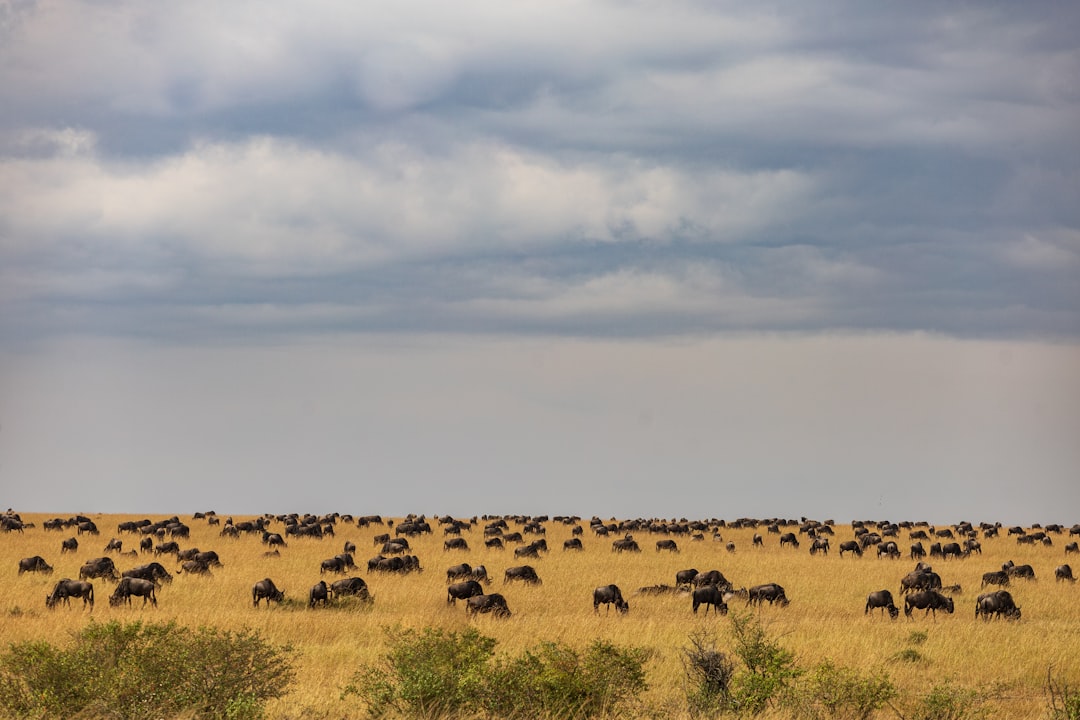
Tanzania is home to the greatest concentration of wildlife in Africa. Not the most dramatic individual encounters — those happen in different places on different days — but the sheer biomass, diversity, and consistent accessibility of wildlife makes Tanzania unique on the continent. This guide covers the key animals, where to find them, and how to make the most of your wildlife viewing time.
Why Tanzania Has Africa's Best Wildlife
Tanzania's wildlife advantage comes from three factors working together: scale, variety of habitat, and legal protection density.
Scale: The Serengeti alone is 14,763 km² — bigger than Northern Ireland. The Nyerere National Park (formerly Selous) is 54,600 km². Tanzania's protected area system covers 38% of the country's total land area. These are not small game reserves — they are continental-scale ecosystems where wildlife populations can sustain themselves naturally.
Habitat variety: Tanzania has coral reefs (Zanzibar coast), montane forest (Kilimanjaro, Mahale), dry savanna (Tarangire, Ruaha), short-grass plains (southern Serengeti), riverine forest (Ruaha, Nyerere), highland crater (Ngorongoro), and open savanna (northern Serengeti). Each habitat supports a different community of species. The result is extraordinary biodiversity.
Protection: 38% of Tanzania's land is formally protected (national parks, conservation areas, game reserves, wildlife management areas). The economic case for wildlife protection is understood at government level because tourism generates $2.5+ billion annually.
Tanzania Wildlife by the Numbers
| Species | Estimated Tanzania Population | Notes |
|---|---|---|
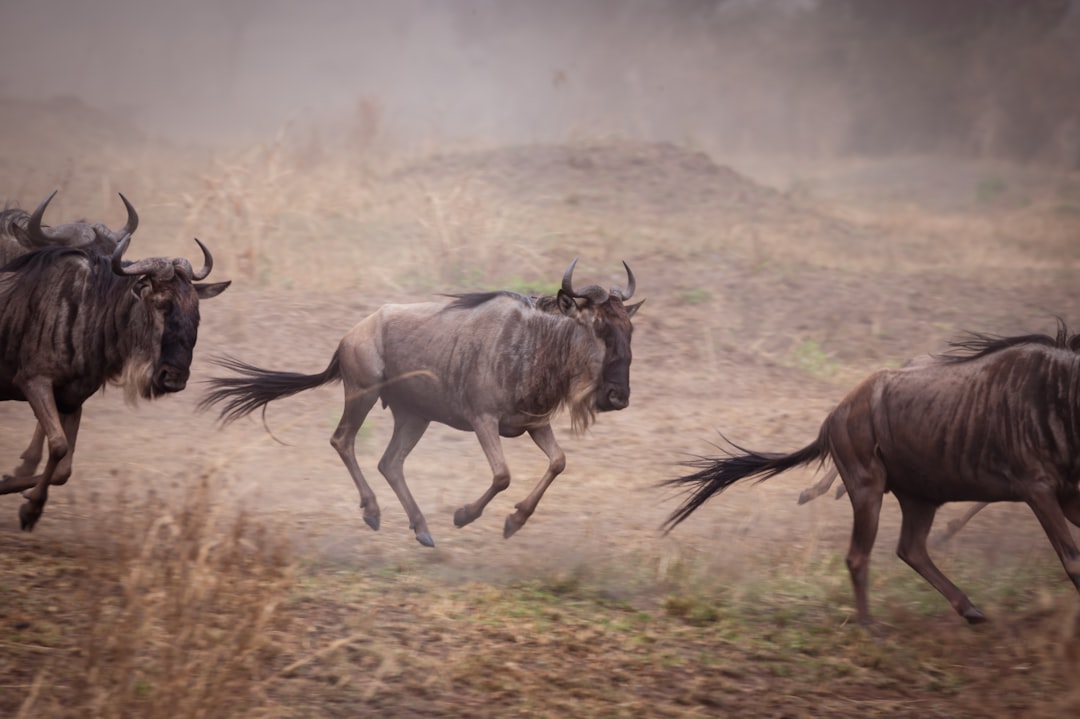
| Wildebeest | 1.5 million | Serengeti-Mara ecosystem; year-round presence |
| African elephant | 60,000–70,000 | Recovering after poaching crisis 2009–2014 |
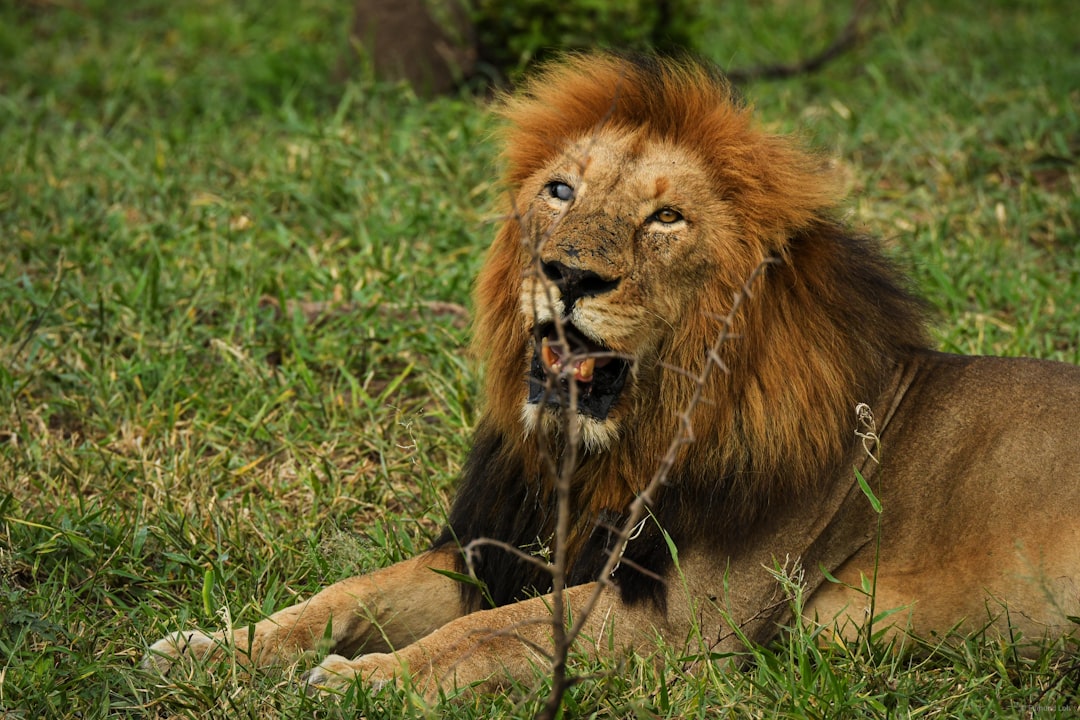
| African lion | 8,000–10,000 | ~40% of Africa's total wild lion population |
| Cape buffalo | 200,000+ | Widespread in all major parks |
| Zebra (common) | 250,000+ | Serengeti ecosystem largest population |
| Giraffe (Masai) | 15,000+ | Northern Tanzania; Tarangire, Serengeti, Manyara |
| Hippopotamus | 20,000+ | Rivers and lakes across all parks |
| Nile crocodile | Widespread | All rivers; Mara River crossings famous |
| Cheetah | 1,000+ | Serengeti (highest density); Ruaha |
| Leopard | Unknown (elusive) | All major parks; secretive but present |
| African wild dog | 1,300–1,600 | Nyerere, Ruaha, Ngorongoro highlands |
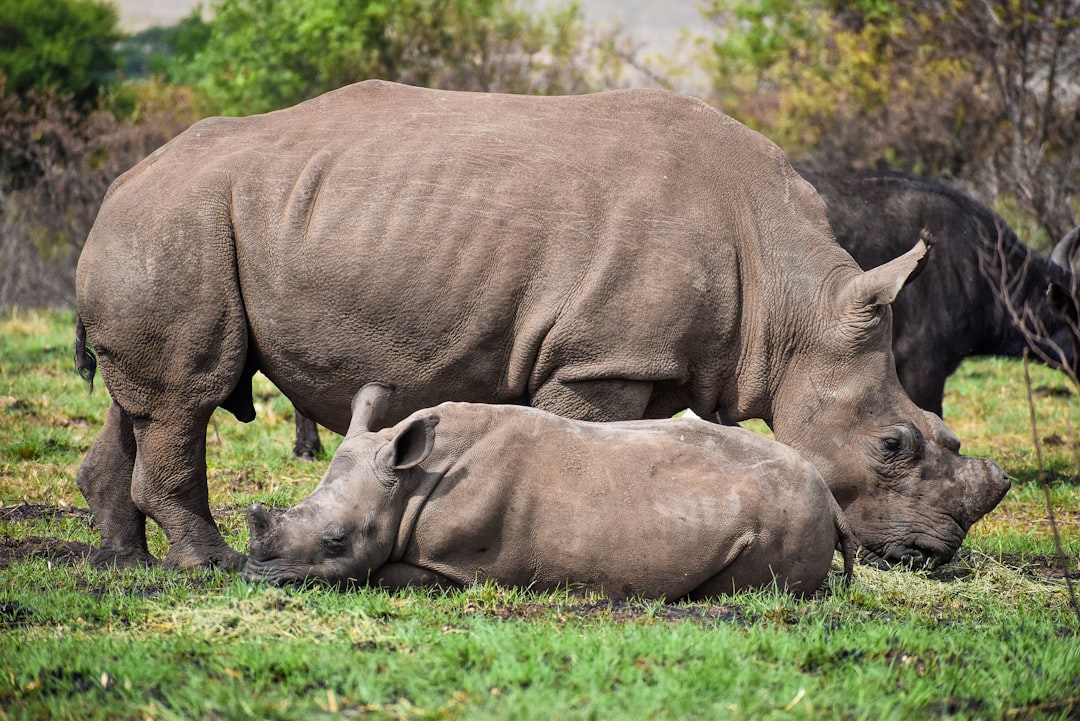
| Black rhino | ~160 | Critically Endangered; mainly Ngorongoro Crater |
| Bird species | 1,100+ | Tanzania has more bird species than any other country in Africa |
The Serengeti: Africa's Wildlife Theatre
The Serengeti National Park is Tanzania's most famous and visited wildlife destination. It is the epicentre of the Great Migration — 1.5 million wildebeest, 250,000 zebra, and 500,000 gazelle moving in a continuous clockwise circuit across the ecosystem. But migration or not, the Serengeti's resident wildlife is extraordinary year-round.
Key species guaranteed (or near-guaranteed) in the Serengeti:
- Lions — multiple prides; year-round in central Seronera area
- Leopards — kopje rock outcrops are the key microhabitat; require patient searching
- Cheetahs — open short-grass plains; most visible during hunts in the early morning
- Elephants — smaller groups than Tarangire but present throughout
- Hyenas — enormous populations; often seen at kills and in clan territorial patrol at night
- Wildebeest and zebra — 1.5 million are somewhere in the ecosystem year-round
- Giraffe (Masai) — throughout the woodland and bush areas
- Hippos — Seronera River pools have large pods year-round
- Crocodiles — Seronera River and especially the Mara River during crossing season
What's rarer in Serengeti: Rhinos (none — Ngorongoro is the place for rhinos), wild dogs (small population; unpredictable), pangolin (nocturnal and rare).
Ngorongoro Crater: The World's Greatest Wildlife Arena
The Ngorongoro Crater is a collapsed volcanic caldera 19 km across and 600 m deep. The crater walls form a natural enclosure that retains approximately 25,000 large mammals permanently. The result is the highest wildlife density in Africa in a defined space — and the highest probability of a Big Five sighting on a single game drive anywhere on the continent.
Animals in the crater:
- Lions — approximately 60–70 permanent residents; one of Earth's highest densities
- Elephants — large tusked bulls common; herds of females also present
- Buffalo — enormous herds, often 500+ animals in the Lerai Forest area
- Black rhino — Tanzania's most important population; 30–35 individuals
- Hippopotamus — the Mandusi Swamp and Gorigor Swamp hold large pods
- Flamingos — Lake Magadi in the centre; populations vary from hundreds to thousands
- Wildebeest — approximately 20,000–25,000 resident wildebeest
- Zebra — large populations throughout the crater floor
- Hyenas — enormous population; the crater's spotted hyena clan is one of the largest in Africa
- Cheetahs — present but sparse
- Leopards — present but elusive; rocky rim forest is best leopard habitat
Tarangire: Elephant Capital of the Northern Circuit
Tarangire National Park is Tanzania's most underrated wildlife destination. In the dry season (July–October), the Tarangire River becomes the only water source for a vast area, drawing wildlife from the surrounding semi-arid landscape. The result: elephant herds of 200–300 individuals visible on a single drive, plus extraordinary concentrations of other species all heading to water.
Tarangire's specialities:
- Elephants — the largest concentrations in East Africa in dry season; October is peak elephant month
- Greater kudu — magnificent spiral-horned antelopes; rare elsewhere but common here
- Fringe-eared oryx — arid-adapted antelope found in the southern sector
- Gerenuk — extraordinary long-necked gazelle that feeds standing on its hind legs
- Ground hornbill — large black hornbills, vocal and distinctive; endangered in many areas
- Baobab trees — the "upside-down trees" are iconic here; some specimens are over 1,000 years old
- Pythons — Tarangire has one of the higher python encounter rates in Tanzania
Wildlife Viewing: Practical Tips
The Best Time of Day for Game Drives
Most wildlife activity concentrates at two times of day: early morning (6–10am) and late afternoon (4–7pm). These are the coolest parts of the day when predators hunt, herbivores graze actively, and light is most beautiful for photography. Midday heat causes most animals to rest in shade — game drives during 11am–3pm are significantly less productive.
The classic schedule: Leave camp at 6:00–6:30am, drive until 10:30am, return for breakfast, rest, and lunch at camp. Drive again from 3:30–4:00pm until sunset (6:30–7:00pm). This maximises both wildlife encounters and photography light.
Patience Is the Only Strategy
The secret to great wildlife viewing that experienced safari-goers understand and first-timers often don't: stop and wait. A lion pride at rest looks inactive. But watch for 20 minutes: a cub attacks its mother's tail, a male raises his head and scans the horizon, a lioness begins grooming her sister. The behaviours emerge with patience.
Guides who drive constantly, checking off sightings, deliver less than guides who find something interesting and wait. Communicate clearly that you want to spend time at quality sightings rather than cover distance.
What to Bring for Wildlife Viewing
- Binoculars — essential, minimum 8×42; makes the difference between a speck and a cheetah at 400m
- Camera with telephoto lens — minimum 200mm focal length; 400mm+ for serious bird and cat photography
- Dust protection — buff or scarf; camera sensor/lens cloth for equipment protection on dusty plains
- Warm layer for early morning — even in July at the equator, pre-dawn Serengeti drives are cold at vehicle speed
- Sunscreen and sunglasses — you are at altitude (1,500m) with equatorial UV; sun protection is non-negotiable
Understanding Animal Behaviour: What You're Seeing
Wildlife viewing is dramatically richer when you understand what you're watching. A few frameworks:
- Predator distance: Cheetahs and lions maintain "hunt distance" from prey — they won't approach if the prey is alert and watching. When you see a predator crouching and the gazelles are staring intently in one direction, a stalk may be underway. Stop the vehicle immediately — movement triggers the prey to flee, aborting the hunt.
- Alarm calls: Impala barking, bird alarm calls, or zebras staring in one direction all indicate a predator nearby. Your guide will know; tell him anything you notice.
- Hyena versus lion at a kill: Hyenas killing an animal is easily confused with scavenging. Research shows hyenas are often the primary predators in the Serengeti — and lions frequently steal from them, not the reverse.
- Elephant body language: Ears spread wide + head raised = warning display (back away slowly). Ears flat + head lowered + purposeful walk toward you = genuine charge (your driver will know — trust them).
Tanzania Bird Watching: 1,100+ Species
Tanzania has more bird species than any other country in Africa — over 1,100 recorded species. For serious bird watchers, Tanzania is a global destination in its own right, not just an add-on to mammal safari.
Highlights for birders:
- Lake Manyara: Flamingo flocks of thousands, fish eagles, stork colonies, ground hornbills
- Ngorongoro: Lammergeier (bearded vulture), Kori bustard (world's heaviest flying bird), Augur buzzard
- Serengeti: Secretary bird (hunts on foot, stunning), lilac-breasted roller (Tanzania's unofficial bird), ostrich, grey-crowned crane
- Tarangire: Yellow-collared lovebirds (endemic to NE Tanzania), Von der Decken's hornbill, Fischer's lovebird
- Ruaha: Tanzanian endemic species; excellent raptors
- Zanzibar: Zanzibar red colobus (found only in Zanzibar), sunbirds, Zanzibar paradise flycatcher
Ready to plan your Tanzania wildlife safari? Browse our safari packages or talk to our team to build a custom itinerary around your wildlife priorities.
Ready to Plan Your Tanzania Adventure?
Our local safari experts in Arusha will craft a personalized itinerary just for you. No obligation, free consultation.
Get Your Free Quote