Tarangire'de İçeride mi Dışarıda mı Kalmak: Pratik Rehber
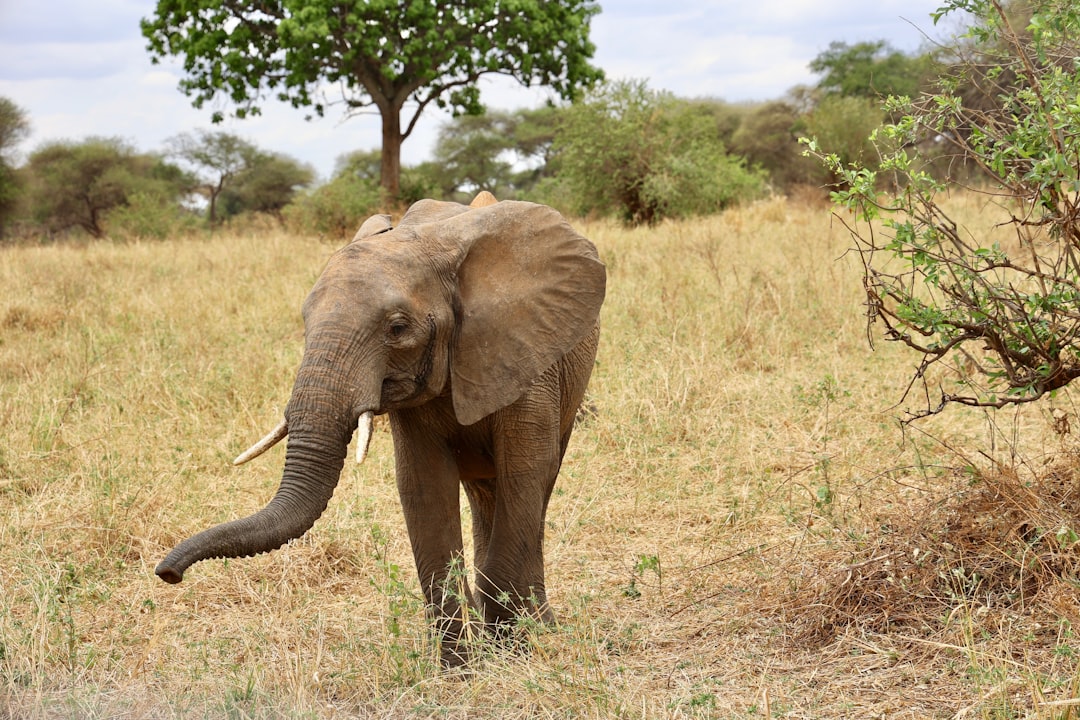
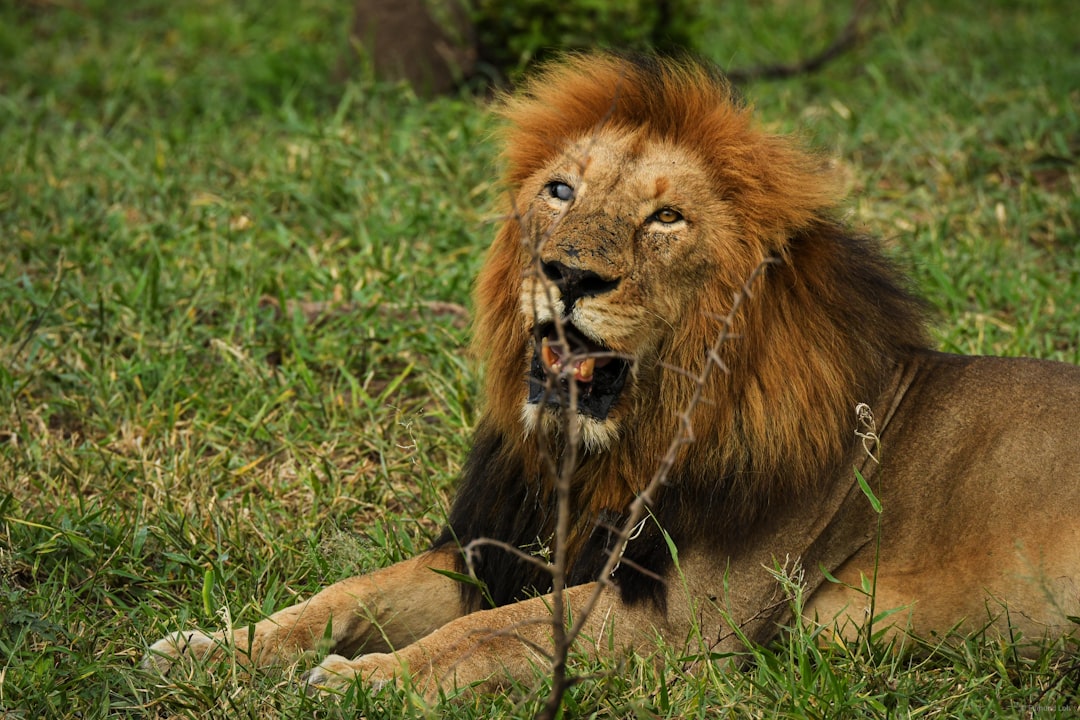
Inside Tarangire camps put you in direct contact with wildlife — elephants visit waterholes at dawn, lions patrol near tents at night. Outside lodges (Makuyuni area) are significantly cheaper. Staying inside 2+ nights is recommended for game drive efficiency; outside works for single-night stopovers or tighter budgets.
Most travelers treat Tarangire as a day trip from Arusha or a quick overnight on the way to the Serengeti. That is a mistake, and part of the reason is a misunderstanding of how accommodation here works. The inside-versus-outside decision for Tarangire is genuinely different from the same calculation in the Serengeti — and getting it right can make the difference between a good safari morning and an extraordinary one. We have been running clients through Tarangire for years and have strong opinions about this. Here is the honest version.
Why Tarangire Is Different from Serengeti
The Serengeti is a vast, year-round wildlife destination where location within the park is the critical variable. Tarangire operates on a different logic entirely. Understanding that difference is the foundation of every accommodation decision here.
Tarangire is a seasonal park. Animals do not permanently live inside its boundaries in the way that Serengeti predators live in the Seronera valley. Instead, wildlife floods into the park during the dry season — roughly July through October — when the Tarangire River becomes the only reliable water source across a vast area of northern Tanzania. Elephants, wildebeest, zebra, and buffalo converge on the river in numbers that can rival anything in the Serengeti. Then, when the rains return from November onward, the animals disperse outward into the surrounding dispersal areas and WMA corridors. Some months inside the park in green season are genuinely quiet.
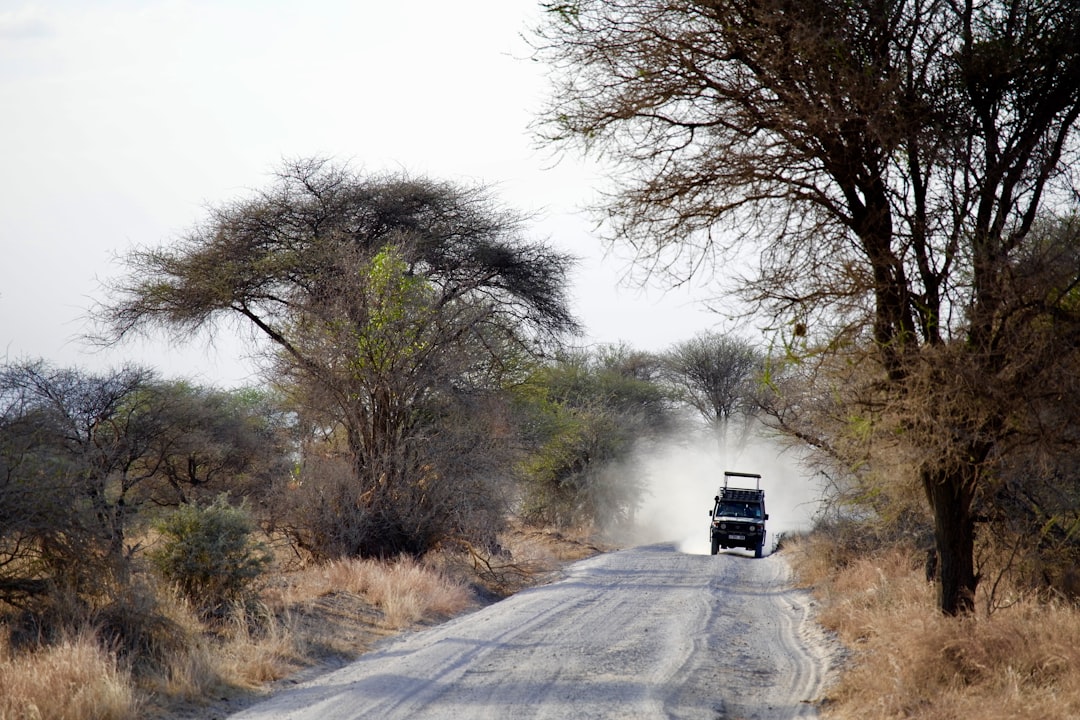
The park is also much more compact than the Serengeti at 2,850 square kilometres. From the main Arusha gate, it is a 15 to 20 minute drive to the prime riverside game viewing areas. This changes the practical calculus significantly. The two-hour gate lag that makes staying outside the Serengeti so painful simply does not exist here. An outside-Tarangire guest who leaves their lodge at 6am can be watching elephants at the river by 6:30am without breaking a sweat.
Finally, Tarangire has some of the best Wildlife Management Area (WMA) camps in northern Tanzania positioned along its borders. These camps have genuine wildlife — not the scrubby semi-desert of some WMA areas — and they offer activities that park rules prohibit: walking safaris, night game drives, and sundowner stops outside a vehicle. This changes the outside-park option from a compromise to a genuine alternative.
Inside Tarangire — Best Lodges
The lodges inside Tarangire National Park range from one genuinely historic property to several reliable mid-range tented camps. Most are clustered in the northern section of the park near the Tarangire River, which is where you want to be during the dry season anyway.
Tarangire Safari Lodge
The oldest lodge inside the park, and still one of the best. Positioned on a cliff above a bend in the Tarangire River, with sweeping views down to a waterhole and the riverine forest below. The classic canvas tents are well-spaced along the clifftop, each with its own view. Food quality is consistently good. The elephant activity visible from the lodge terrace during dry season — sometimes 50 or more animals at a time — is extraordinary. Rates run approximately $320–480 per person per night full board.
Tarangire Sopa Lodge
A larger property with 75 rooms, well-run and reliable. Not the most intimate camp but excellent for families and groups. The guides tend to be strong, the food is reliable, and the location gives good dry season elephant access. At roughly $260–360 per person per night, it represents solid inside-park value without the premium of the top-end properties.
Baobab Tented Camp
One of the more intimate options inside the park, with classic canvas tents under old baobab trees. The atmosphere is genuinely African bush rather than hotel-in-the-wilderness, and the service level is personal. A good choice for travelers who find the larger lodges impersonal. Rates typically around $280–420 per person per night.
Angata Tarangire Camp
A mid-range tented camp positioned close to the river, popular with travelers who want an inside location without the higher pricing of the top-end properties. Comfortable, clean, well-maintained. Rates approximately $300–450 per person per night full board. Good value for the location.
Oliver's Camp
In a different category from the others. Oliver's operates within a private concession inside the park and is one of the few properties where walking safaris are permitted inside Tarangire — a rare exception to the national park walking ban made possible by the private concession arrangement. Upper-end pricing, but if walking in true elephant country is on your bucket list, this is where it happens in Tarangire. The guides here are among the most knowledgeable in northern Tanzania.
Outside Tarangire — WMA Lodges Worth Considering
The WMA camps near Tarangire are among the best in northern Tanzania. Unlike some WMA properties that feel like consolation prizes for travelers who could not afford inside-park lodges, the best Tarangire-area WMA camps are genuine destinations in their own right.
Maramboi Tented Lodge
Positioned between Tarangire National Park and Lake Manyara on the Masai Steppe WMA, Maramboi is arguably the best mid-range camp in the entire northern Tanzania circuit. The setting is distinctive — a marsh-edge location with flamingo sightings, large elephant populations that move through the WMA year-round, and a landscape that feels more open and dramatic than many inside-park properties.
What sets Maramboi apart is the combination it offers: a swimming pool (rare at this price point in the region), genuinely good food, comfortable tents with real beds rather than cots, and access to night game drives and walking safaris in the WMA. The team here knows the area well. Rates run approximately $300–500 per person per night inclusive of activities. For the value delivered, it consistently over-performs its price.
Lemala Nanyukie
A newer camp in the WMA near Tarangire's eastern boundary, Lemala Nanyukie offers the full range of WMA activities: walking safaris, night drives, and sundowner experiences in the bush. The Lemala group runs well-organized operations across Tanzania, and Nanyukie is no exception. The wildlife in this corridor can be excellent, particularly for predators that move between the park and the dispersal areas. A strong choice for travelers who specifically want the walking and night drive experiences.
Marera Valley Lodge
A different kind of outside option. Marera Valley is a coffee farm property set in highland terrain near the park boundary, with a peaceful, retreat-style atmosphere that contrasts with the typical tented camp experience. Good for travelers who want a quieter base, perhaps combining Tarangire with Manyara or Ngorongoro without feeling like every moment needs to be game drive intensity. Not a wildlife-immersion property, but a genuinely lovely place to stay.
Why WMA Camps Matter Here
The key activities that WMA camps offer — walking safaris and night game drives — are both illegal inside Tanzania's national parks (with the narrow exception of Oliver's Camp private concession). Night drives transform what you see. Lion hunts at night, honey badgers, aardvarks, and the different behavioral patterns of nocturnal animals are simply invisible on standard game drives. If these experiences matter to you, the WMA is the right choice regardless of the inside-versus-outside debate.
The Seasonal Factor — When Outside Makes More Sense
This is where the Tarangire calculus gets specific. Unlike the Serengeti, where being inside is almost always an advantage if you are in the right zone, Tarangire has clear windows when outside camps genuinely outperform inside options.
During the green season (March through May), most of the large herbivore herds have dispersed outward from the park into the surrounding ecosystems. The park is not empty — resident animals and year-round species remain — but the sheer density of wildlife that makes dry season Tarangire extraordinary is gone. Meanwhile, WMA camps in the dispersal corridors can have excellent elephant and predator activity precisely because the animals are spread across a wider area that includes the WMA land. In this window, an outside camp is not a compromise: it may actually be better positioned for wildlife.
During the dry season (July through October), the inside-park advantage is clear and decisive. The Tarangire River draws animals from a vast area, and the concentration of elephant, buffalo, zebra, wildebeest, and predator that builds through August and September has to be seen to be believed. Stay inside, near the river. This is non-negotiable for anyone visiting in these months.
The November through January window is excellent for birdwatching regardless of location. Tarangire is one of Tanzania's premier birding destinations with over 550 recorded species, and the green season arrival of Palearctic migrants makes this period special for birders. Several WMA camps have waterhole and wetland areas that concentrate bird life in ways the inside-park lodges cannot match.
| Month | Inside Tarangire | Outside / WMA | Recommendation |
|---|---|---|---|
| Jan – Feb | Good — resident wildlife, less crowded | Good — elephants in dispersal areas, birding | Either works; WMA if night drives matter |
| Mar – May | Quiet — herds dispersed, some lodges close | Can be excellent in dispersal corridors | Outside / WMA often wins this window |
| Jun – Jul | Building nicely — herds returning | Decent, fewer animals than dry peak | Inside for July onward |
| Aug – Oct | Spectacular — peak density at river | Still good, not at the same level | Inside, near the river, no question |
| Nov – Dec | Good transition, early rains, green scenery | Good birding, active WMA dispersal areas | Inside for wildlife, WMA for birding focus |
Practical Tip — Combine Both
Many of the best Tarangire itineraries we build in Arusha use a simple two-stage approach: one night outside (often at Maramboi) followed by one or two nights inside the park. Here is why this works so well in practice.
Most travelers arriving from Arusha reach the Tarangire area in the early afternoon after the three-hour road drive. Checking into an inside-park lodge that late means either a rushed short afternoon drive or paying full lodge rates for half a day. Maramboi Tented Lodge, positioned before the park gate, makes sense as a first-night stay — you arrive comfortably, do an evening WMA game drive or walk, enjoy a night drive, and move into the park fresh the next morning for a full day and night of inside-park wildlife.
This Maramboi-to-inside combination is logical and popular for a reason. You get the WMA activities on night one, you maximize your inside-park time on the days that follow, and you are not wasting money on a half-day inside arrival. It is a good itinerary structure for three or four nights in the Tarangire ecosystem.
The same logic applies on departure. If you are leaving Tarangire in the afternoon to reach Arusha for an evening flight, it often makes more sense to check out of your inside-park lodge after a final morning game drive and spend your last half-day at Maramboi or a comparable outside property rather than paying another full night's rate for a few morning hours.
Our Verdict
The guidance is simpler than the debate suggests once you anchor it to season.
Dry season (July through October): Stay inside the park, as close to the Tarangire River as possible. Tarangire Safari Lodge on the riverine cliff or Baobab Tented Camp under the baobabs are our first recommendations. The wildlife density at the river during these months is the whole reason to visit Tarangire, and you should be inside for it.
Green season (March through May): An outside WMA camp, particularly Maramboi, often genuinely outperforms inside-park options. Dispersal-area elephant activity, night drives, and walking safaris in the marsh and open plains make Maramboi a strong first choice in these months. Combine with a day trip inside the park to confirm conditions rather than committing to multiple inside nights when the herds are elsewhere.
Short one-night stop: Honestly, either works. The gate-to-river drive is only 20 minutes, so an outside lodge with an early start puts you at the water before most guests are finishing breakfast. If you are doing one night purely in transit between Arusha and the Serengeti circuit, budget accordingly and do not overthink it.
For walking safaris or night drives: Outside WMA camps are the answer — Lemala Nanyukie, Maramboi, or Ehlane Plains. These activities are not available inside national parks under standard arrangements, so if they are on your list, plan for at least one WMA night.
Tarangire is one of Tanzania's most underappreciated parks precisely because so many travelers rush through it. Giving it two or three proper nights in the right season — whether inside or in a well-chosen WMA camp — consistently produces some of the most memorable game viewing on the northern circuit. For full details on planning your visit, read our Tarangire safari guide, our complete Tarangire accommodation guide, and the best time to visit Tanzania overview. If you want a specific recommendation for your travel dates, contact us directly in Arusha — the answer changes by month and we know this area well.
Tanzanya Maceranızı Planlamaya Hazır mısınız?
Arusha'daki yerel safari uzmanlarımız size özel kişiselleştirilmiş bir güzergah oluşturacak. Yükümlülük yok, ücretsiz danışmanlık.
Ücretsiz Teklifinizi Alın