首页 野生动物园 乞力马扎罗 桑给巴尔 住宿 关于我们 博客 联系我们
🇬🇧 EN 🇩🇪 DE 🇪🇸 ES 🇨🇳 中文 🇹🇷 TR
规划您的旅程
Planning

Best Time to Visit Tanzania for Safari: Month-by-Month Guide 2026

Best Time to Visit Tanzania for Safari: Month-by-Month Guide 2026

Tanzania is one of Africa's premier safari destinations, but timing your visit can make the difference between a good safari and an extraordinary one. From the dramatic wildebeest river crossings to the quieter, budget-friendly green season, each month offers a distinct experience. This comprehensive guide breaks down exactly what to expect throughout the year so you can plan the perfect Tanzania safari.

Why Timing Matters for Your Tanzania Safari

Tanzania sits just south of the equator, giving it a tropical climate moderated by altitude. The country experiences two main seasons: the dry season (June to October) and the wet season (November to May). Each season dramatically affects wildlife behavior, vegetation density, road conditions, and pricing. Understanding these patterns is the key to matching your expectations with reality.

The dry season concentrates wildlife around remaining water sources, making animals easier to spot. The wet season brings lush landscapes, newborn animals, migratory birds, and significantly lower prices. Neither season is "wrong" for safari — it depends entirely on what you want to experience.

Peak Dry Season (June to October): Prime Wildlife Viewing

The dry season is Tanzania's most popular safari period, and for good reason. With minimal rainfall, vegetation thins out and wildlife congregates around rivers and waterholes. This makes game drives in the Serengeti, Tarangire, and Ngorongoro exceptionally productive.

June and July mark the beginning of peak season. Temperatures are pleasant (20-25°C during the day), and the Great Migration herds are typically moving through the Western Corridor of the Serengeti toward the Grumeti River. Early river crossings can occur in June.

August and September are the absolute peak months. The famous Mara River crossings — the most dramatic spectacle of the Great Migration — typically happen during this period. Expect the highest prices and the most visitors, but also the most incredible wildlife encounters.

October signals the transition as short rains approach. Wildlife viewing remains excellent, crowds thin slightly, and you may find better deals on accommodation. The migration herds begin their journey south from the northern Serengeti.

Calving Season (January to March): Witnessing New Life

January through March is calving season in the southern Serengeti and Ndutu area. Approximately 500,000 wildebeest calves are born during a concentrated period of just 2-3 weeks, usually in February. This attracts large numbers of predators, creating non-stop action for safari-goers.

The Ndutu plains come alive with herds stretching to the horizon, while lions, cheetahs, and hyenas hunt the vulnerable young. For wildlife photography, this period rivals the river crossings in terms of drama and opportunity.

Weather during calving season is generally warm with occasional afternoon showers. Roads in the Ndutu area can be muddy, but the plains are accessible with experienced drivers.

Shoulder Seasons: Best Value Safari (April-May & November)

April and May represent the "long rains" and Tanzania's quietest safari period. Heavy rainfall can make some roads impassable, and several camps close for maintenance. However, those willing to embrace the green season will find prices 30-40% lower, virtually empty parks, and lush, photogenic landscapes.

November is a transitional month with short rains that typically come as brief afternoon showers. The Serengeti begins to green up, migratory birds arrive from Europe and Asia (over 500 species in Tanzania), and wildlife viewing remains strong. This is one of the best value-for-money months for safari.

Month-by-Month Quick Reference

MonthWeatherWildlife HighlightCrowdsPrice Level
JanuaryWarm, some rainCalving begins in NdutuModerate$$
FebruaryWarm, some rainPeak calving seasonModerate$$
MarchWarm, increasing rainPredator action in NdutuLow-Moderate$$
AprilHeavy rainGreen season, birdsVery Low$
MayHeavy rain easingGreen season valueVery Low$
JuneDry, coolMigration in Western CorridorHigh$$$
JulyDry, coolGrumeti River crossingsHigh$$$
AugustDry, warmMara River crossingsVery High$$$$
SeptemberDry, warmPeak river crossingsVery High$$$$
OctoberDry, warmingMigration heads southHigh$$$
NovemberShort rainsBirds, green landscapesLow$$
DecemberShort rains easingMigration in southern SerengetiModerate$$

Great Migration Calendar: Where to Be and When

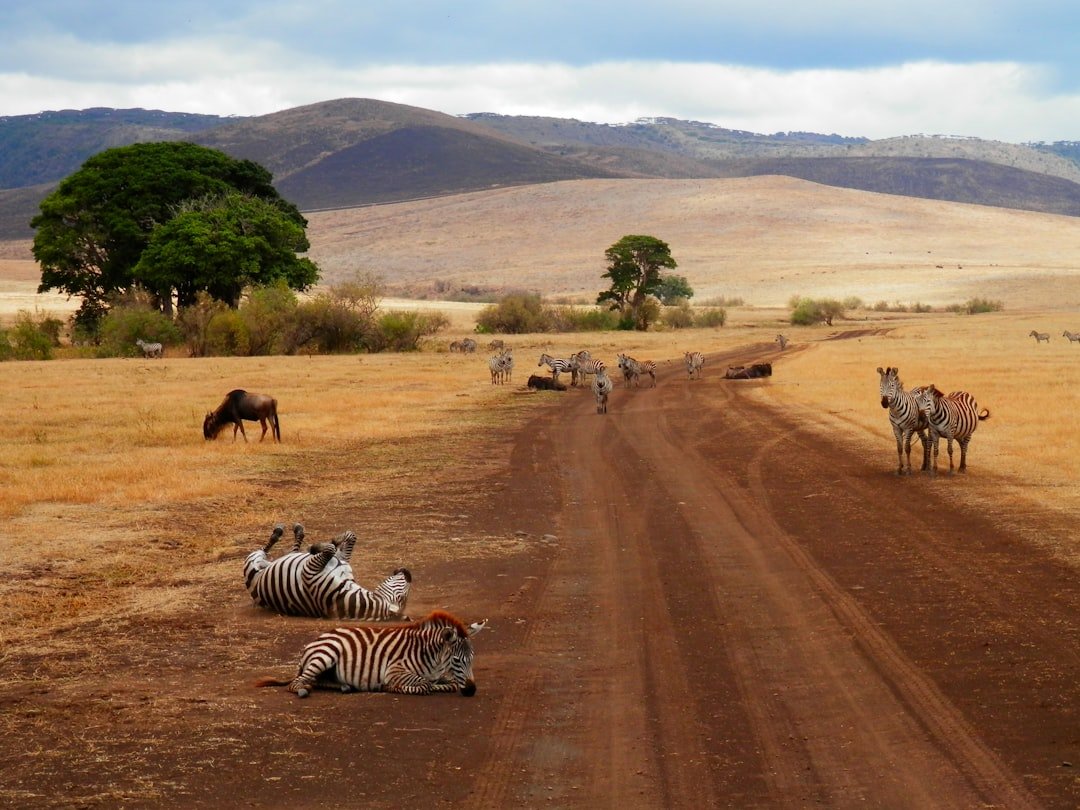
The Great Migration is a year-round, circular movement of over 1.5 million wildebeest, 400,000 zebra, and 200,000 gazelle. Here is where the main herds typically are throughout the year:

  • December to March: Southern Serengeti and Ndutu — calving season
  • April to May: Central Serengeti — herds begin moving northwest
  • June to July: Western Corridor — Grumeti River crossings
  • August to October: Northern Serengeti — dramatic Mara River crossings
  • November: Eastern Serengeti — herds moving south again

Keep in mind that the migration is driven by rainfall patterns and is not perfectly predictable. Working with experienced local operators like us who have real-time intelligence on herd movements is essential for timing your safari right.

Best Time for Each National Park

While the Serengeti and Ngorongoro are year-round destinations, some parks have more specific optimal windows:

  • Serengeti National Park: Year-round, but June-October for classic game viewing, January-March for calving
  • Ngorongoro Crater: Year-round. The crater floor retains water, so wildlife is always present. June-October offers clearest skies.
  • Tarangire National Park: June-November when elephants concentrate around the Tarangire River. Spectacular elephant herds — the largest in Tanzania.
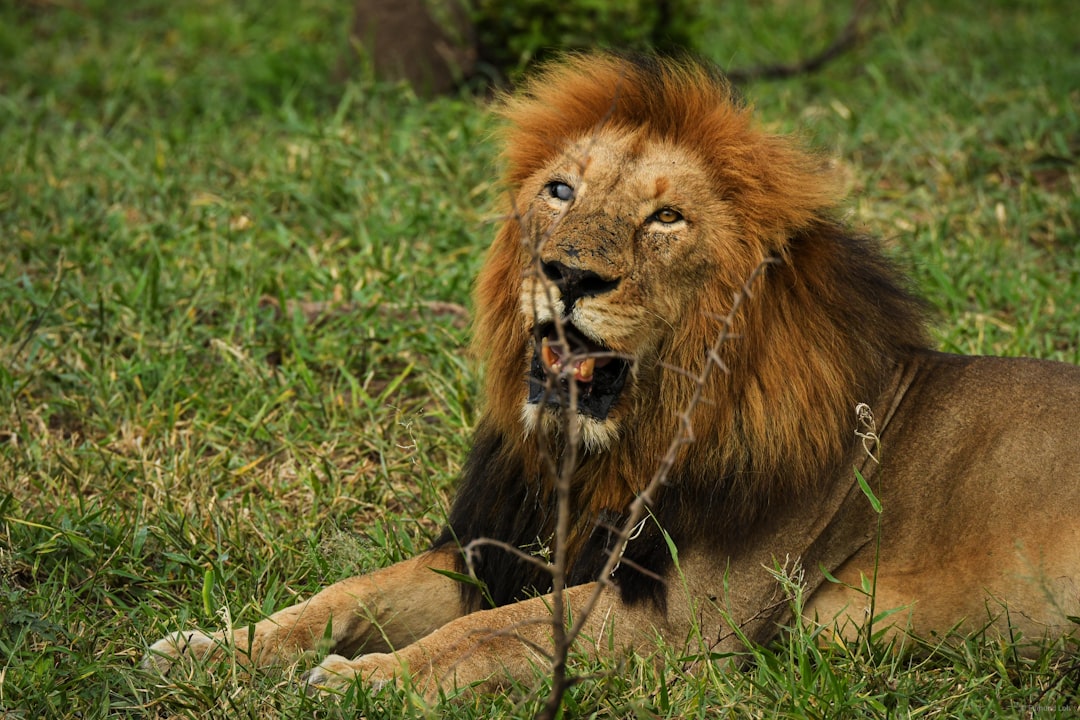
  • Lake Manyara: June-October for tree-climbing lions and large flamingo flocks
  • Ruaha National Park: June-November. Remote and uncrowded even in peak season.

Plan Your Perfect Safari Timing

The best time to visit Tanzania ultimately depends on your priorities. Want the Great Migration river crossings? Target August-September. Prefer fewer crowds and lower prices? November or March offer exceptional value. Interested in calving season drama? February is your month.

As a locally owned safari operator based in Arusha, we have real-time knowledge of wildlife movements, weather conditions, and the best current opportunities across all of Tanzania's parks. Contact our team to discuss your ideal safari timing and we will craft a personalized itinerary that maximizes your experience.

准备好规划您的坦桑尼亚探险了吗?

我们在阿鲁沙的本地野生动物园专家将为您量身制定个性化行程。无需承担任何义务,免费咨询。

获取免费报价
分享此文章:
2026年季节名额有限

您的梦想野生动物园之旅只需
一次对话

告诉我们您的梦想旅程,我们的野生动物园专家将为您量身制定个性化行程。无需承担义务,无压力—来自热爱坦桑尼亚的人的专业建议。

获取免费报价 24小时内回复